
Table of Contents
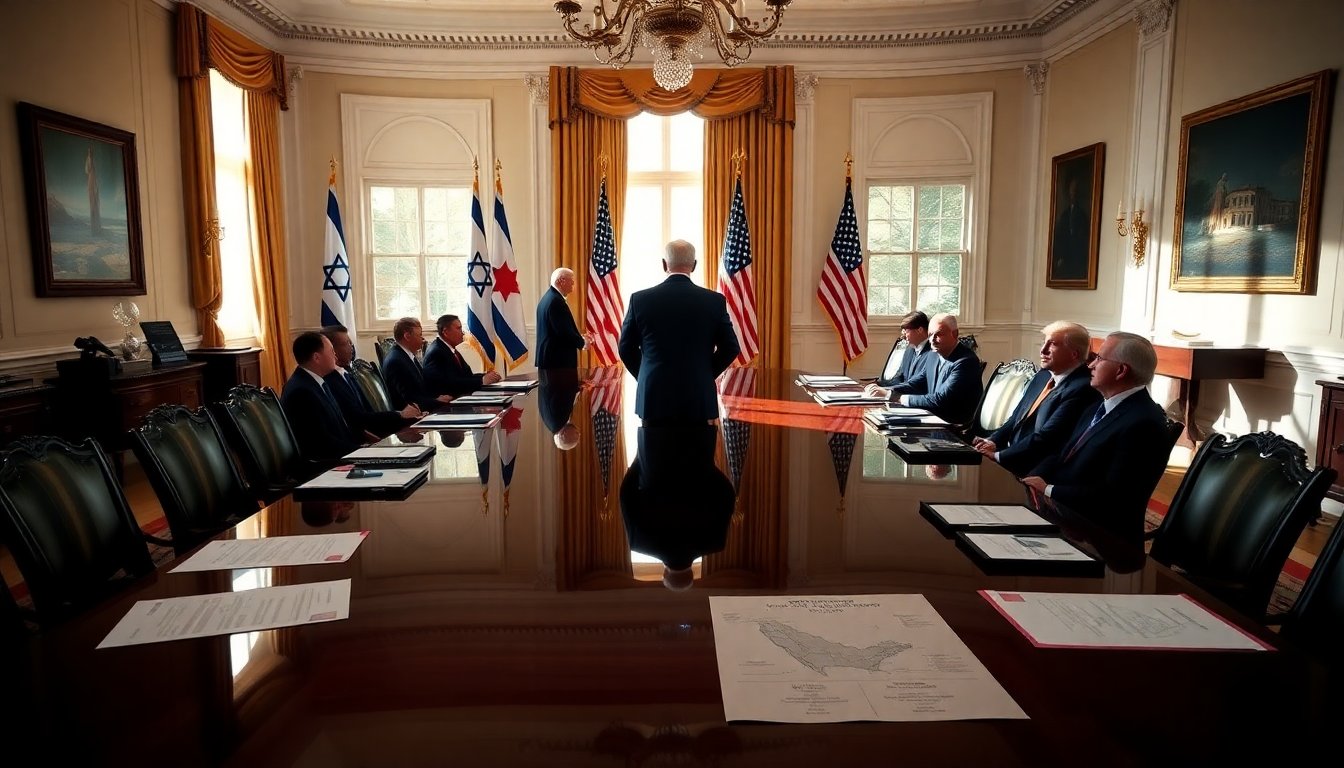
Israeli Prime Minister Benjamin Netanyahu is poised to embark on a significant diplomatic journey to Washington, D.C., where he will engage in talks with US President Donald Trump. The core focus of their discussions will revolve around Iran, particularly the latter’s ballistic missile program, which Israeli officials deem a substantial threat to their national security.
Set for February 11, 2026, this meeting comes at a time when tensions in the Middle East are palpable. Netanyahu’s government has made it clear that they view any negotiations with Iran as incomplete without addressing the missile program that poses an existential risk to Israel.
Key issues on the agenda
The upcoming meeting is expected to delve into the details of US-Iran relations, especially the negotiations currently taking place. According to reports, Israeli defense officials have communicated their concerns to US counterparts, stating that Iran’s ability to produce and stockpile ballistic missiles must be a part of any comprehensive agreement.
Concerns about Iran’s capabilities
Israeli authorities have indicated their readiness to take unilateral action should Iran cross what they refer to as a “red line.” This proactive stance includes potential military strikes to dismantle Iran’s missile infrastructure. Such measures are seen as necessary to safeguard Israel’s future, should diplomatic channels fail to yield results.
President Trump has also indicated a willingness to consider a narrower deal that solely addresses Iran’s nuclear capabilities. However, no other US officials have echoed this sentiment, leading to speculation about the administration’s unified stance. Israeli sources suggest that this could weaken their negotiating position, emphasizing the need for a multifaceted approach that encompasses both nuclear and missile discussions.
Iran’s response and regional implications
Iran’s negotiating position remains steadfast, showing little willingness to compromise on critical issues. During recent discussions in Muscat, Oman, it was made clear that Iran would not entertain limitations on its missile program or its regional influence. Iranian Foreign Minister Abbas Araghchi has reiterated that missile discussions and enrichment levels are non-negotiable.
Potential for conflict
Amid these tensions, Iranian media reported threats of retaliation against US or Israeli military actions, specifically targeting logistics and supply centers in the region. The Islamic Revolutionary Guard Corps (IRGC) has hinted at possible strikes on pivotal locations, such as the King Fahd Industrial Port in Saudi Arabia, should an attack occur. Such an escalation could have dire consequences for regional stability and global oil markets.
In light of these developments, the Saudi Defense Ministry has announced joint naval exercises with US forces, signaling a commitment to enhance military readiness in response to regional threats. These training operations are aimed at ensuring that both nations can effectively respond to potential maritime challenges in the Red Sea.
Conclusion
The upcoming meeting between Netanyahu and Trump is set against a backdrop of escalating tensions, with critical implications for both Israeli and US foreign policy. As they prepare to discuss Iran’s missile program and the situation in Gaza, the international community will be watching closely. The outcome of these talks could shape the future of Middle Eastern geopolitics and the security landscape in the region.