
Quick snapshot
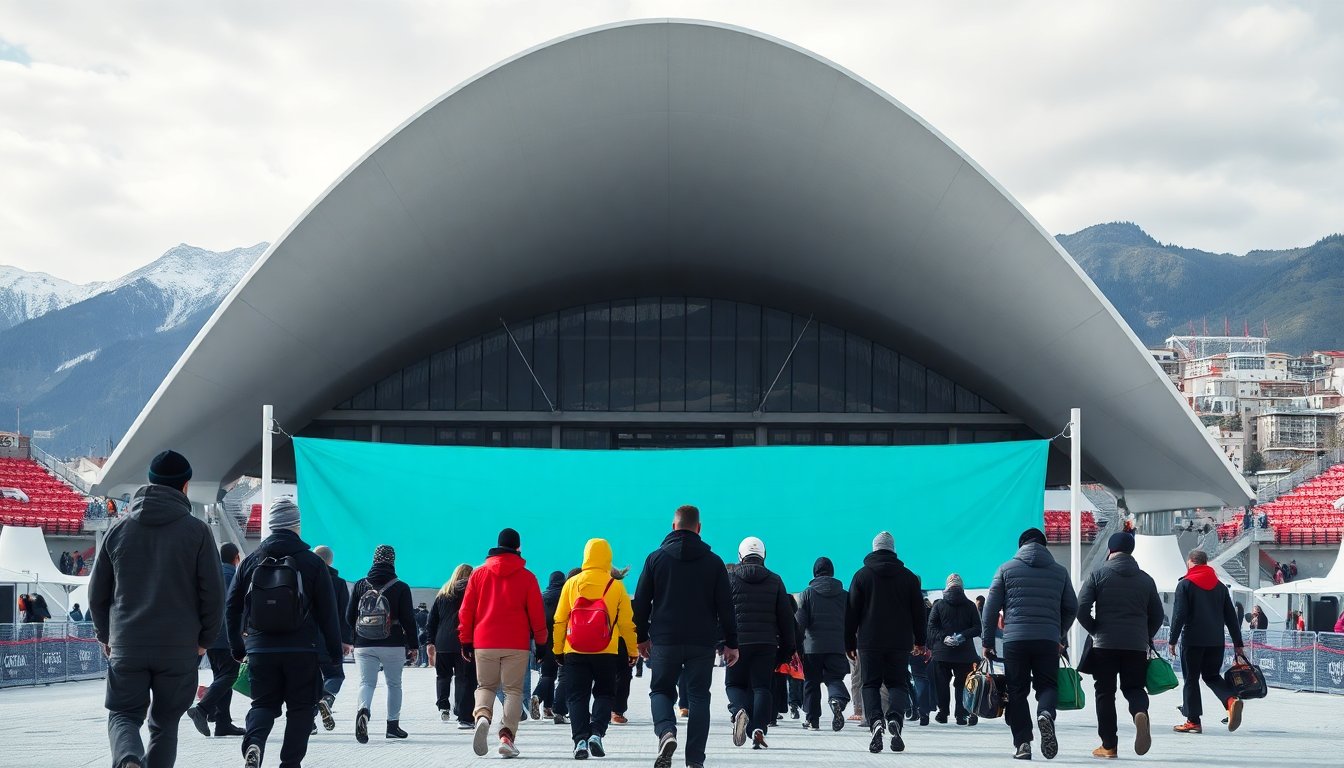
Twenty athletes — 13 from Russia and 7 from Belarus — are at the Milano‑Cortina Winter Games competing under a neutral label. No flags, no national badges: they march under a plain teal banner after passing a vetting process that checked for ties to military or state security agencies and for public support of the war in Ukraine.
Why this matters (and why it feels messy)
This arrangement sits at an awkward crossroads. On one hand, it lets individual athletes keep their careers alive. On the other, it’s a visible reminder of how politics and sport now collide: whole national teams remain sidelined while a few cleared individuals still get to compete. Walk into an ice rink and you’ll notice it — gaps in the lineups, empty spots where a national team used to be, and broadcasts missing familiar flags. That absence changes the vibe for fans, players and sponsors alike.
How neutral participation actually works
– The basics: Candidates go before a panel that checks public statements, institutional links and other red flags. If they pass and meet the sport’s performance standards, they’re allowed to compete — without national insignia. – Individual vs team: This is an individual solution. Collective entries — like hockey teams — are largely still blocked. That’s why you might see club pros from Russia playing on NHL rosters but no Russian national team at the Games. – What organisers must handle: accreditation, scheduling, on‑screen graphics and even commentary scripts need tweaks. Federations must record decisions, explain criteria and be ready to defend them.
Practical guidance (for federations, organisers and clubs)
Keep it simple, consistent and documented. Publish clear vetting rules, train staff on how to apply them, and log every decision. If you’re a club or league, cooperate on testing and transfers so players don’t get caught in political fallout. For legal teams: make appeal routes obvious and keep forensic evidence ready.
A quick history lesson (why we’re here)
This approach didn’t appear out of nowhere. It grew from two strains: the fallout from state‑linked doping scandals and the international reaction to Russia’s invasion of Ukraine. Sporting bodies have tried to walk a fine line — punish systems and states while avoiding blanket punishments that wipe out athletes who aren’t implicated. The result is a hybrid model: targeted sanctions plus case‑by‑case individual clearance.
Political and athlete reactions
Reactions are split. Some athletes and officials welcome pathways to compete. Others — including many in Ukraine — see any readmission as premature while the conflict continues. Inside Russia, voices differ too: some push for full readmission, others are willing to accept neutral status. For fans and broadcasters, the mixed messaging dampens engagement and complicates commercial deals.
Real risks and likely fallout
Get this wrong and you risk legal challenges, reputational damage and messy reversals. Inconsistent or opaque vetting invites appeals and public distrust. For sponsors and rights holders, that translates into contractual headaches: clauses for sudden exclusions and reputational contingencies are now standard.
What this means for the future of sport diplomacy
Neutral participation is a test. Can sports separate the athlete from the state without hollowing out accountability? Or will pressure from courts, governments and the public push organisations back toward stricter collective measures? Expect continued legal scrutiny, shifting federation rules and more political debate. Whatever happens next, sports bodies will need transparent rules and independent oversight to keep decisions credible.
A human angle
Imagine a teenager who has trained their whole life for this moment, suddenly told they can compete — but not under their flag. For some that’s a relief; for others it’s bittersweet. Those personal stories matter and they’re why the debate isn’t just policy noise: it’s about real people on the ice, track or slope. It’s a compromise, not a cure — one that will keep evolving as tribunals, federations and political forces keep testing the boundaries between sport and state.