
Table of Contents
The facts
Archaeological discoveries in Suffolk, England, have uncovered evidence indicating that Neanderthals deliberately created fire around 415,000 years ago. This finding significantly predates previous estimates, which suggested that controlled fire emerged only 50,000 years ago. The implications of this research challenge long-held beliefs about the capabilities of Neanderthals.
The implications
This groundbreaking evidence not only alters our understanding of Neanderthal timelines but also sheds light on their survival strategies and social structures. Understanding how early humans managed fire could reveal crucial aspects of their daily lives, including cooking, protection, and social interaction.
What’s next
Further studies are expected to explore the full impact of fire use on Neanderthal culture. As research continues, experts anticipate that additional findings will deepen our comprehension of these ancient relatives.
Archaeological discoveries at Barnham
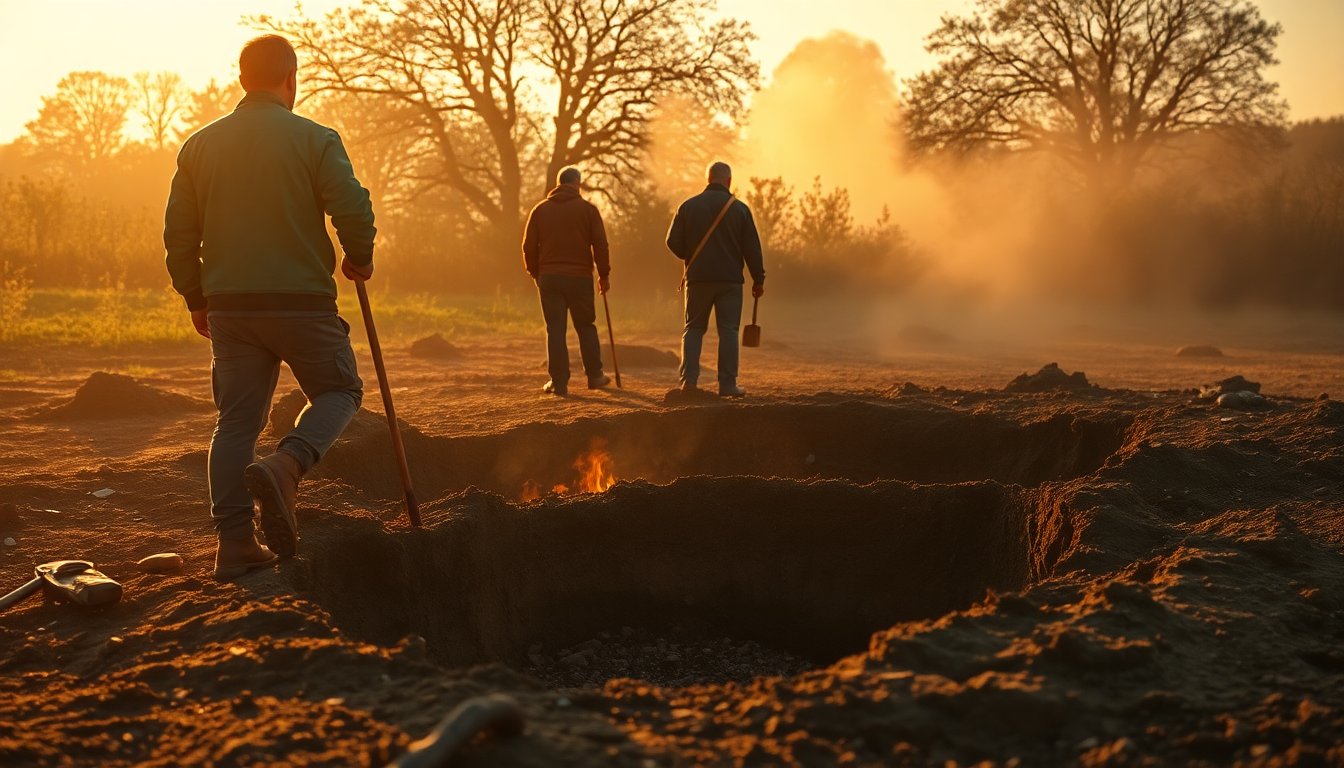
Researchers have made significant discoveries at an excavation site near Barnham, previously a clay pit. The team unearthed a range of artifacts, including a hearth, baked clay, and flint tools that show evidence of exposure to high temperatures. Notably, two pieces of iron pyrite were found, a mineral that produces sparks when struck against flint, suggesting that ancient inhabitants practiced intentional fire-starting techniques.
Understanding the evidence
Archaeologist Nick Ashton from the British Museum states that the presence of pyrite, along with heated clay and heat-damaged flint tools at the site, indicates that Neanderthals made deliberate efforts to create fire. “The discovery of pyrite is particularly intriguing as it appears that humans brought it to the site specifically for fire-making purposes,” Ashton said. This evidence reveals a level of sophistication in survival techniques among Neanderthal populations that has been previously underestimated.
The impact of fire on human evolution
The control of fire marked a significant turning point in human evolution. It provided warmth and protection from predators, while also enabling ancient populations to cook food. Cooking not only made food safer to consume but also easier to digest, which likely led to greater energy intake. This improvement in nutrition may have played a role in the development of larger brains among early humans, facilitating the emergence of more complex social structures.
Fire as a social catalyst
In addition to its practical benefits, fire likely served as a vital element in social interactions. It acted as a gathering point for early humans, fostering communal activities such as sharing meals, warmth, and stories. “The campfire became a social hub,” states Rob Davis, an archaeologist involved in this research. This communal use of fire may have contributed to the development of language and cultural practices, thereby strengthening the social fabric of Neanderthal communities.
New insights into Neanderthal capabilities
Recent discoveries at the Barnham site challenge the longstanding notion that fire control was a skill exclusive to modern humans. Evidence now indicates that Neanderthals had sophisticated abilities to manipulate their environment. This finding presents a nuanced perspective on Neanderthal existence, underscoring their potential for innovation and adaptability.
The research team spent four years examining materials from the site to substantiate their claims. They determined that the hearth reached temperatures exceeding 700 degrees Celsius (1,292 degrees Fahrenheit). This data supports the conclusion that the fire remnants were not simply the result of natural occurrences.
While previous instances of fire use in wildfires exist, this discovery presents the first solid evidence of humans intentionally starting fires. This ability represents a significant advancement in the technological evolution of our ancestors.
Future research directions
Although the findings from Barnham offer strong evidence, experts like Wil Roebroeks urge caution in interpreting the data. They emphasize the need for more research to confirm whether fire-making was indeed deliberate in this context. Continued exploration of ancient sites and improvements in archaeological techniques may provide further insights into the lives of early hominins.
New insights into Neanderthal capabilities
Research into the past continues to evolve, shedding light on the capabilities of Neanderthals. Evidence suggests that the ability to create fire, previously thought to be unique to modern humans, may have been shared among these ancient relatives. This discovery could reshape our understanding of technological and societal advancements in human history.