
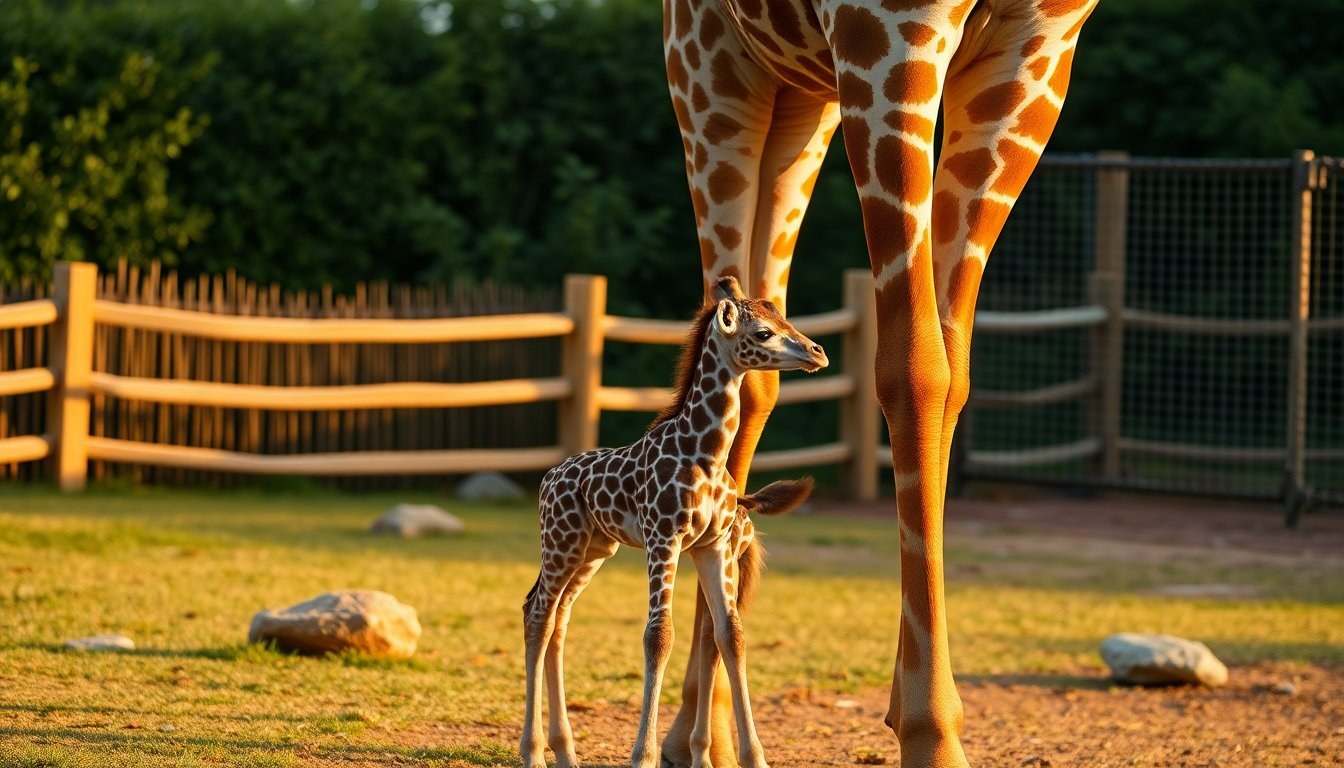
Early on Feb. 22, 2026, Toronto Zoo quietly celebrated the arrival of a female Masai giraffe calf born on site. She was already on her feet about 30 minutes after birth and has been staying close to her mother, Mstari, as the pair settle into their new routine. A veterinary check the next morning found both animals alert and healthy; no medical intervention was needed.
Zoo staff kept the area private during and after the birth so Mstari and her newborn could recover without disturbance. Keepers and vets performed routine checks to confirm the calf’s strength, hydration and nursing behaviour. Monitoring will continue: keepers are tracking weight, feeding, mobility and social interactions and will adjust husbandry plans if anything changes.
This tiny newcomer matters beyond the enclosure. Masai giraffes have declined sharply in the wild—fewer than 35,000 remain and populations have dropped by more than half over the past three decades. Captive births contribute to accredited breeding programs that preserve genetic diversity, support research and act as a safety net when wild populations fragment. Calves raised under professional care also benefit from veterinary support that can improve early survival and allow coordinated transfers between institutions to reduce inbreeding.
That said, releasing animals back into the wild is not a simple swap. Successful reintroductions require connected, protected habitat and strong local partnerships to address threats like habitat loss and illegal hunting. Conservationists stress that any release effort must be matched with on-the-ground protection and community-led solutions before animals can safely return to the savanna.
For now, Toronto Zoo’s immediate focus is the mother and calf. Staff will continue to monitor them and consult partner organizations as needed. The zoo plans staged outreach and partner briefings as the calf grows, and will share updates and photos on its social channels. No name has been announced yet; officials will confirm when visitors can meet the youngster.
This new life comes after a recent loss: Kiko, the calf’s father, died unexpectedly on New Year’s Day following an accident with a habitat door. Staff say his memory makes this birth especially poignant for the team.
If there are any significant changes—health updates, relocation plans or decisions about a future release—Toronto Zoo officials will make that information public. In the meantime, keepers are giving Mstari and her calf space to bond while keeping a close, careful watch.