
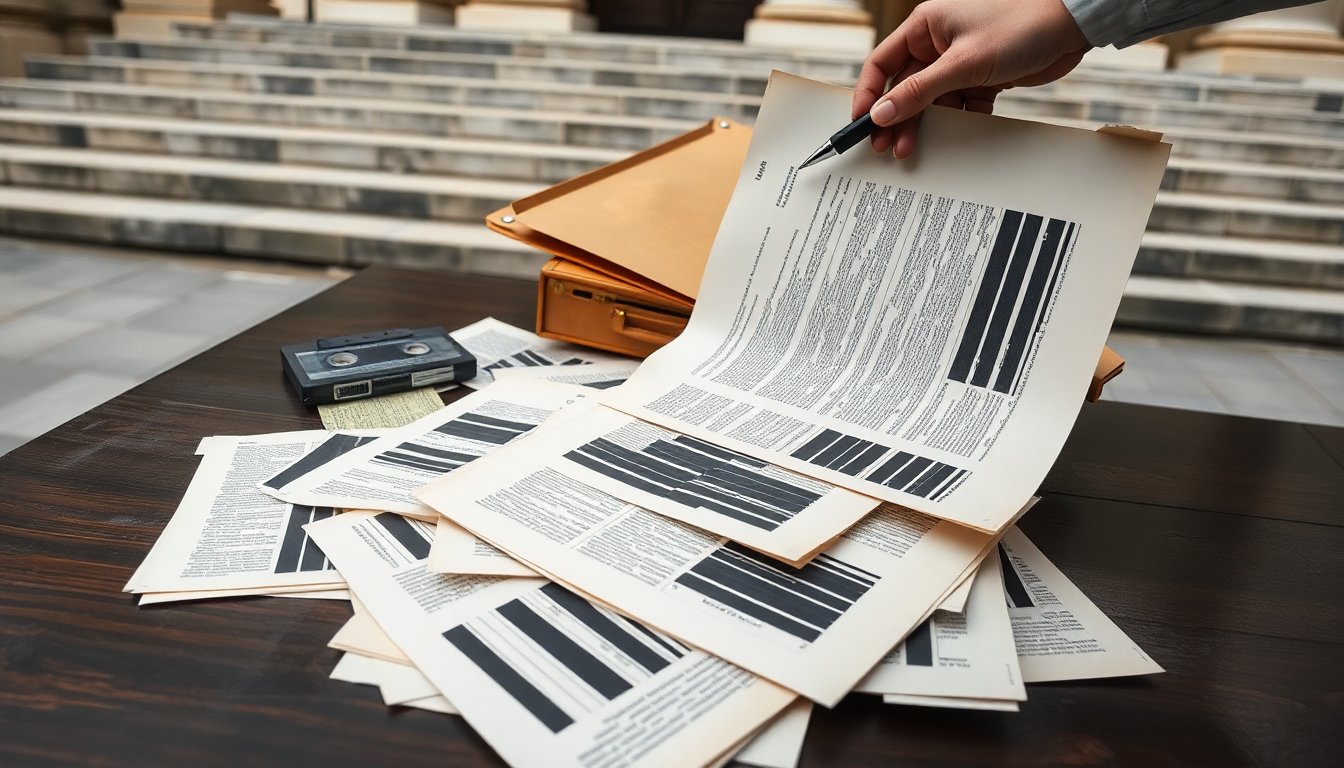
The Justice Department quietly added FBI interview summaries to the public Epstein files that include a woman’s allegation of sexual misconduct involving President Donald Trump. These pages cover multiple interviews that were missing from earlier releases; DOJ says they were left out because of a coding error that marked them as duplicates, a mistake that came to light after news organizations and researchers pressed for more transparency.
What the new pages show
– The newly posted material consists of summaries from several FBI interviews with a woman whose statements tie into the Jeffrey Epstein investigation. Until now, only one of the four interviews had been publicly released.
– In the added summaries the woman describes an alleged encounter with a man identified in the files as Donald Trump, saying he attempted sexual contact when she was a teenager. The documents present this as her account; they do not offer corroboration or investigative findings that validate it.
– The summaries also record how agents probed timing, locations and people the woman mentioned, and how they evaluated her credibility. But they don’t resolve contradictions or provide a complete timeline.
– Defense lawyers and outside experts warn that interview summaries reflect what the subject said and what agents wrote contemporaneously; such notes can contain inconsistencies and need independent corroboration before they’re treated as evidence.
– Lawmakers have renewed demands for a fuller, more reliable public archive, citing the newly revealed pages as reason to keep pressing the department for more records.
What remains unclear
– The supplemental summaries leave key questions unanswered: there’s no clear chronology of alleged events, no documented corroboration from other witnesses or records, and no explanation beyond the woman’s choice to stop cooperating about why interviews ended.
– These documents are summaries, not verbatim transcripts or adjudicated findings. The Justice Department has not treated them as proven evidence, and the files contain no formal conclusion about the claims.
Why the pages were omitted — and how DOJ is responding
– DOJ says the omissions came during batch processing of a huge volume of material; some pages were mistakenly labeled as duplicates and therefore not pushed into the public repository. Officials blame a mix of human error, rushed timelines and technical challenges.
– The department has pledged to review and correct the archive, tighten quality-control procedures and reclassify any wrongly excluded documents. It also says it’s balancing rapid compliance with disclosure laws against a duty to protect privileged material and potential victims’ privacy.
– Earlier phases of the release exposed other mistakes: incomplete redactions that revealed sensitive images and identifying details. DOJ officials acknowledge human and technical errors and are conducting audits and additional reviews to find and remove improperly released content.
Political fallout and oversight
– The handling of the files has attracted bipartisan scrutiny on Capitol Hill. Oversight committees have demanded briefings, access to logs and an accounting of redaction protocols; some members are seeking sworn testimony from the Attorney General.
– Advocates and independent groups want a formal audit and stronger technical safeguards, including third‑party checks on redactions and expanded quality reviews before publication. DOJ officials say any systemic failures will inform updated procedures and reviewer training.
– The White House has denied any wrongdoing by the President and emphasized that the public database can contain raw, unverified reports that should not be read as verified findings.
Next steps and the bigger picture
– Committees plan more hearings and document requests while DOJ completes a post‑release audit and briefings for Congress. Legal experts expect ongoing litigation over disclosure boundaries and privilege claims.
– Journalists and researchers continue to flag missing pages; investigators are still checking whether more files were mistakenly excluded or withheld for legitimate legal reasons.
– Practical fixes likely to be pursued include a systematic inventory of posted files, independent validation of redactions, clearer public reporting on review protocols, and stronger document‑management controls. They underscore both the challenges of processing massive, sensitive records and the competing pressures — transparency versus privacy and privilege — that shape what the public sees.