
Table of Contents
norovirus outbreak on AIDAdiva raises health concerns
The world of cruising, typically seen as a symbol of leisure and adventure, is facing a significant challenge. A recent outbreak of the highly contagious norovirus aboard the AIDAdiva, a cruise ship operated by Aida Cruises, has left nearly 100 passengers and crew members unwell. This incident, occurring on a voyage from November 10 to December 16, has attracted attention from health authorities and underscores the difficulties of ensuring health and safety in crowded environments.
Details of the outbreak
Reports from the Centers for Disease Control and Prevention (CDC) reveal that a cruise ship departing from Hamburg, Germany, made several stops in locations including England, the United States, Mexico, and Costa Rica. On November 30, the cruise line alerted the CDC about a concerning situation involving 95 passengers and six crew members who displayed symptoms such as diarrhea and vomiting.
With over 2,000 passengers and 640 crew members on board, the outbreak’s effect was significant. The prompt notification to the CDC facilitated a coordinated response to contain the virus’s spread among those still on the ship.
Response measures implemented
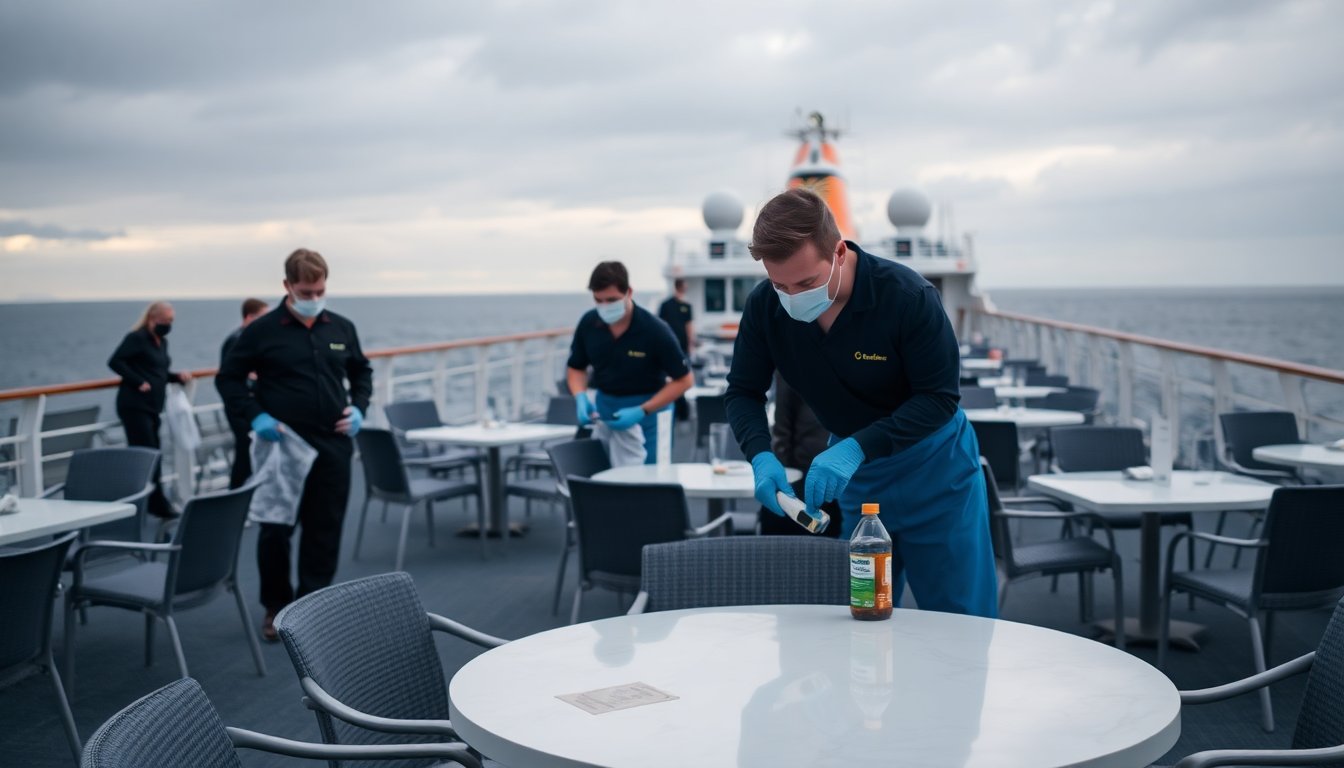
In response to the outbreak, Aida Cruises has put in place a comprehensive set of measures aimed at improving hygiene on board. An official spokesperson confirmed that the company has intensified cleaning and disinfection protocols throughout the ship. Additionally, they have taken the critical step of isolating individuals displaying symptoms and collecting stool samples for testing to gain a clearer understanding of the outbreak.
The spokesperson highlighted that the outbreak coincided with the usual seasonal peaks of norovirus infections, typically occurring between November and April. To address this, Aida Cruises has proactively implemented further hygiene protocols to safeguard the health of all passengers and crew members.
Understanding norovirus transmission
Dr. Scott Weisenberg, an expert in infectious diseases, has highlighted the contagious nature of norovirus. This is particularly evident in crowded environments such as cruise ships. The virus can spread swiftly, including through airborne particles. Therefore, individuals experiencing acute symptoms should avoid common areas to prevent further transmission.
Dr. Weisenberg also emphasized the importance of proper hygiene practices in controlling the spread of norovirus. Contaminated surfaces present significant risks. Diligent handwashing with soap and water is notably more effective than relying solely on alcohol-based sanitizers.
The growing challenge of norovirus outbreaks
The recent incident aboard the AIDAdiva raises significant concerns about norovirus outbreaks on cruise ships. The Centers for Disease Control and Prevention (CDC) has reported a total of 21 outbreaks this year, highlighting the urgent need for rigorous health and safety measures on these vessels. In response, Aida Cruises has implemented key strategies, working closely with the CDC’s Vessel Sanitation Program to improve sanitation practices.
The norovirus outbreak on the AIDAdiva serves as a critical reminder of the health risks inherent in crowded travel environments. It underscores the necessity for cruise lines to prioritize passenger safety by adopting strong health protocols and maintaining effective communication with health authorities.