
Table of Contents
In an effort to revitalize its tourism sector, North Korea has released a calendar that prominently features a newly developed beach resort on its eastern coastline. This initiative underscores the country’s ambition to attract Chinese visitors, who traditionally formed a significant portion of its tourism before the pandemic.
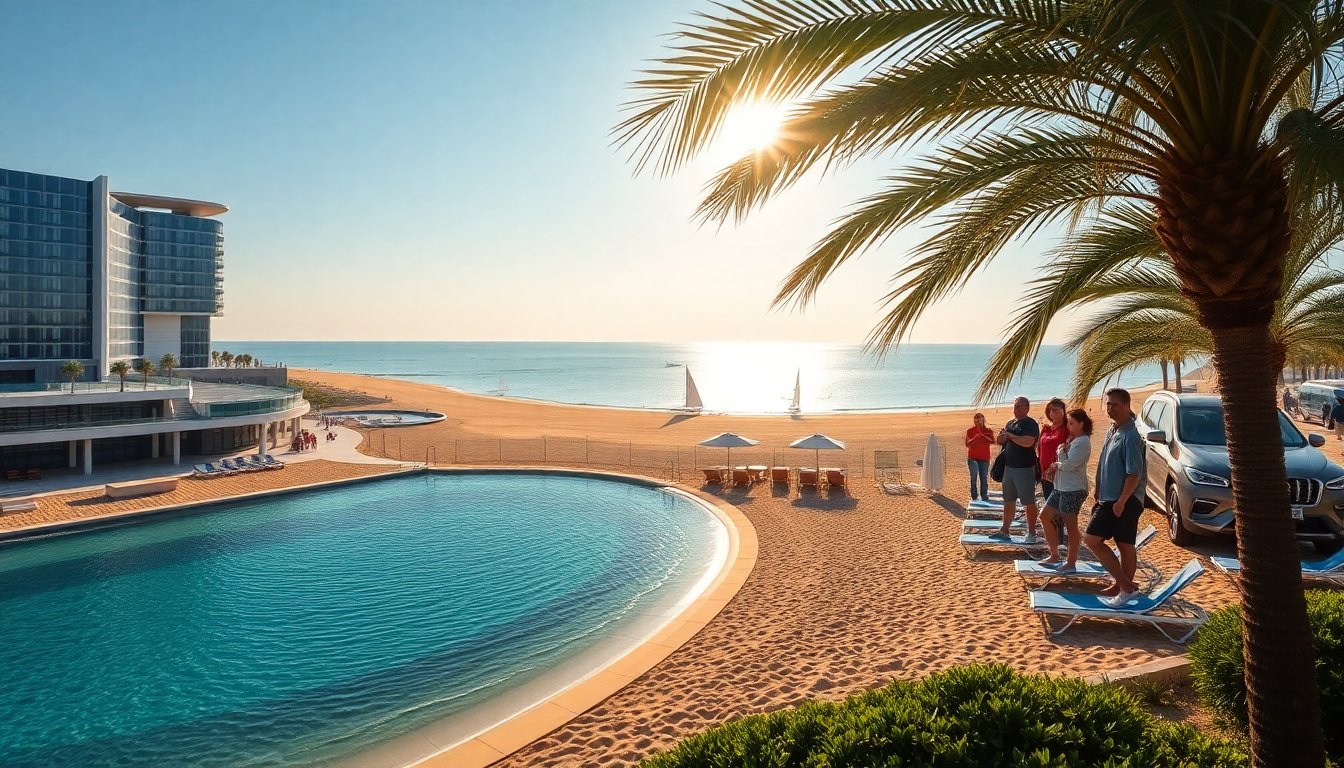
The Wonsan Kalma tourist area, which includes modern hotels and various recreational facilities, officially opened during the summer. This strategic move coincided with a notable visit from Russian Foreign Minister Sergey Lavrov, who engaged in discussions with North Korean leader Kim Jong-un amidst this flourishing tourism landscape.
Revival of tourism in North Korea
Before the onset of the COVID-19 pandemic, North Korea enjoyed a steady influx of tourists, particularly from China. The country, known for its strict border controls, had to halt all international travel in response to the health crisis. As a result, tourism, a vital revenue source, faced severe setbacks. However, with the gradual easing of restrictions, North Korea is now keen to reestablish its tourism sector.
Strategic focus on Chinese tourists
Chinese tourists are vital to North Korea’s tourism recovery strategy. The nation has historically relied on this demographic, which has contributed significantly to its economy. The new resort is not just a tourist destination; it represents North Korea’s broader aspirations for economic development and international engagement.
By promoting the Wonsan Kalma resort, North Korea is signaling its readiness to welcome back tourists and foster economic ties with neighboring countries. The resort is designed to cater to various preferences, offering everything from luxurious accommodations to leisure activities that highlight the region’s natural beauty.
Diplomatic relations and recent events
In addition to tourism developments, North Korea’s diplomatic relations are also notable. Recently, Kim Jong-un expressed condolences to Russian President Vladimir Putin regarding the passing of Russian ambassador to North Korea, Aleksandr Ivanovich Matsegora. Kim’s message, reported by the Korean Central News Agency (KCNA), described the ambassador’s unexpected death as a profound loss for both nations.
Impact of diplomatic ties on tourism
The relationship between North Korea and Russia has implications for tourism as well. The two countries have been fostering a comprehensive strategic partnership, which can enhance the flow of tourists. North Korea’s outreach to China and Russia reflects a broader strategy to strengthen its economic framework through tourism.
As North Korea attempts to recover from the pandemic’s impact, the development of the Wonsan Kalma resort symbolizes hope for both the tourism sector and international relations. The resort is poised to serve as a bridge for cultural exchange and economic collaboration, particularly with Chinese visitors.
Looking ahead
The unveiling of the calendar featuring the Wonsan Kalma resort marks an important step for North Korea’s tourism ambitions. As the world gradually adapts to a post-pandemic reality, North Korea’s efforts to revive its tourism industry may set the stage for a new chapter in its economic development.
With the anticipation of welcoming back tourists, the resort is expected to play a crucial role in attracting visitors, thus contributing to the broader economic recovery. The emphasis on leisure and hospitality indicates North Korea’s commitment to making its destinations appealing and accessible.
In conclusion, North Korea’s focus on the Wonsan Kalma resort signals a determined effort to reinvigorate its tourism sector and foster stronger ties with China and Russia. As the country navigates the post-pandemic landscape, it remains to be seen how these initiatives will unfold and the extent to which they will attract international visitors.