
Table of Contents
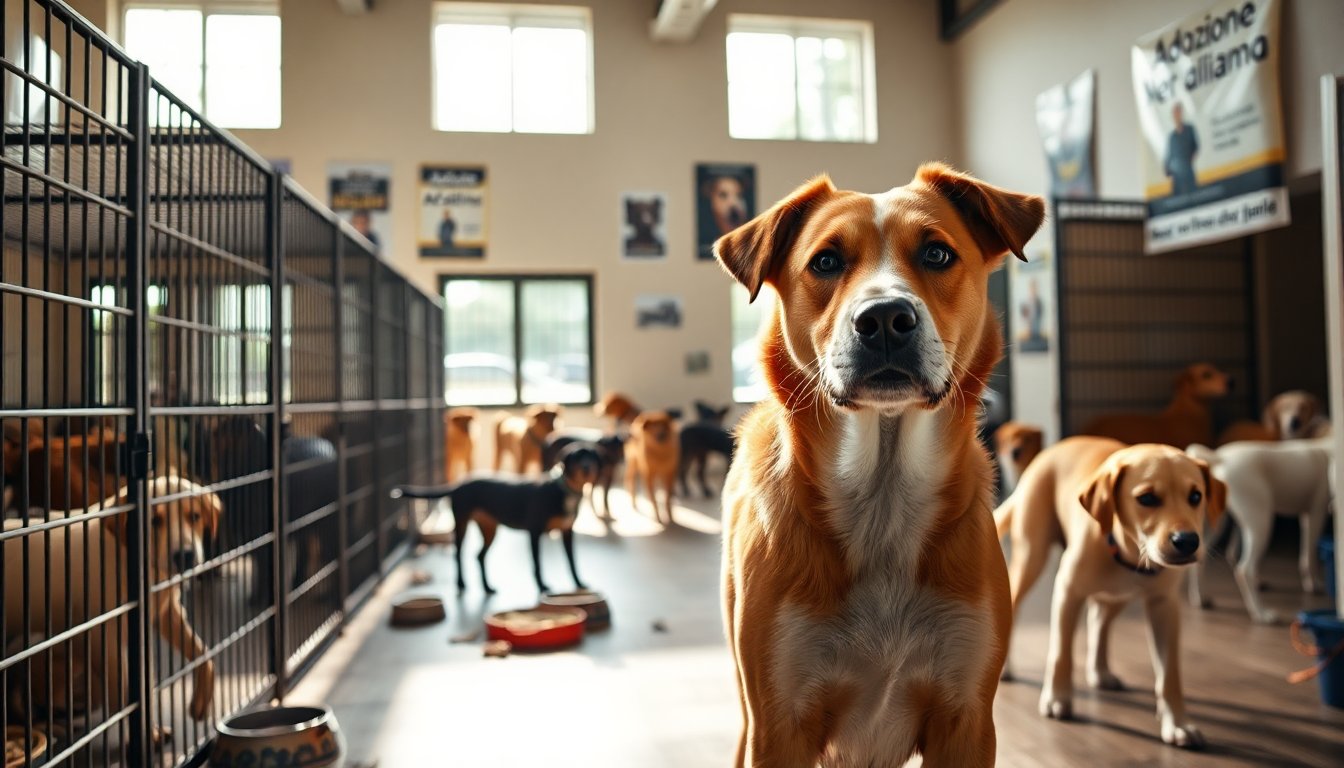
The beginning of 2026 has brought significant challenges for the Okanagan Humane Society (OHS), marked by an alarming increase in animals requiring assistance. Within the first two weeks of January, the organization has taken in 42 dogs, raising concerns among its staff.
Tracy Barnes, who oversees dog operations at OHS, shared her apprehensions regarding the situation. “It’s scary. It’s overwhelming,” she stated, highlighting the pressing nature of the ongoing crisis. The organization had anticipated a brief pause during the holiday season, only to be faced with a sudden influx of rescue cases immediately afterward.
Disturbing cases of neglect
Many of the dogs brought to OHS arrived in distressing conditions, prompting serious concerns about animal welfare in the community. One notably troubling case involved over two dozen mixed-breed dogs rescued from a property in Merritt, with OHS taking in six of these animals. This scenario underscores the harsh realities faced by many abandoned pets.
Moreover, OHS is dealing with the aftermath of another case involving 16 puppies surrendered by their owners, who could no longer afford their care. Such incidents are becoming increasingly common, reflecting the difficulties many families encounter in providing for their pets.
The root cause of pet overpopulation
Romany Runnalls, head of OHS, identifies the lack of affordable spaying and neutering services as a key factor contributing to these distressing situations. “Many pet owners cannot afford these essential procedures,” she remarked, emphasizing that the issue of pet overpopulation cannot be resolved by animal organizations alone.
Despite OHS’s initiatives to offer low-cost spay and neuter programs for families on tight budgets, funding constraints remain a constant challenge. Runnalls noted that the organization has already reached its monthly limit for such services, highlighting the urgent need for support from provincial and municipal governments to effectively address this crisis.
Call for community intervention
Runnalls has made a strong case for government involvement, stating, “Taxpayer dollars should be utilized to address the root of the problem, which is to prevent unwanted breeding.” She argues that whether residents are animal lovers or not, tackling the issue of overpopulation will benefit the community at large. By controlling the number of stray animals, the potential nuisances of barking dogs and feral cat colonies can be significantly reduced.
In response to the increasing demands, the Ministry of Agriculture and Food, which oversees animal welfare, has stated that while specific funding for spaying and neutering is not currently available, substantial resources have been allocated to various animal welfare not-for-profits through the Community Gaming Grants program. Since 2026, these grants have totaled over $5.4 million, enabling many organizations to conduct spay and neuter clinics.
Ongoing efforts and community support
In 2026, OHS has successfully assisted over 4,500 animals, with this number continuing to rise each year. Runnalls believes that a modest investment from the provincial government could greatly alleviate the pet overpopulation crisis in British Columbia, leading to significant improvements in the lives of countless animals.
For those interested in supporting the cause, OHS offers various opportunities for community involvement and donations. Individuals can visit the Okanagan Humane Society’s website to learn more about their programs and how they can contribute.
Tracy Barnes, who oversees dog operations at OHS, shared her apprehensions regarding the situation. “It’s scary. It’s overwhelming,” she stated, highlighting the pressing nature of the ongoing crisis. The organization had anticipated a brief pause during the holiday season, only to be faced with a sudden influx of rescue cases immediately afterward.0