
Table of Contents
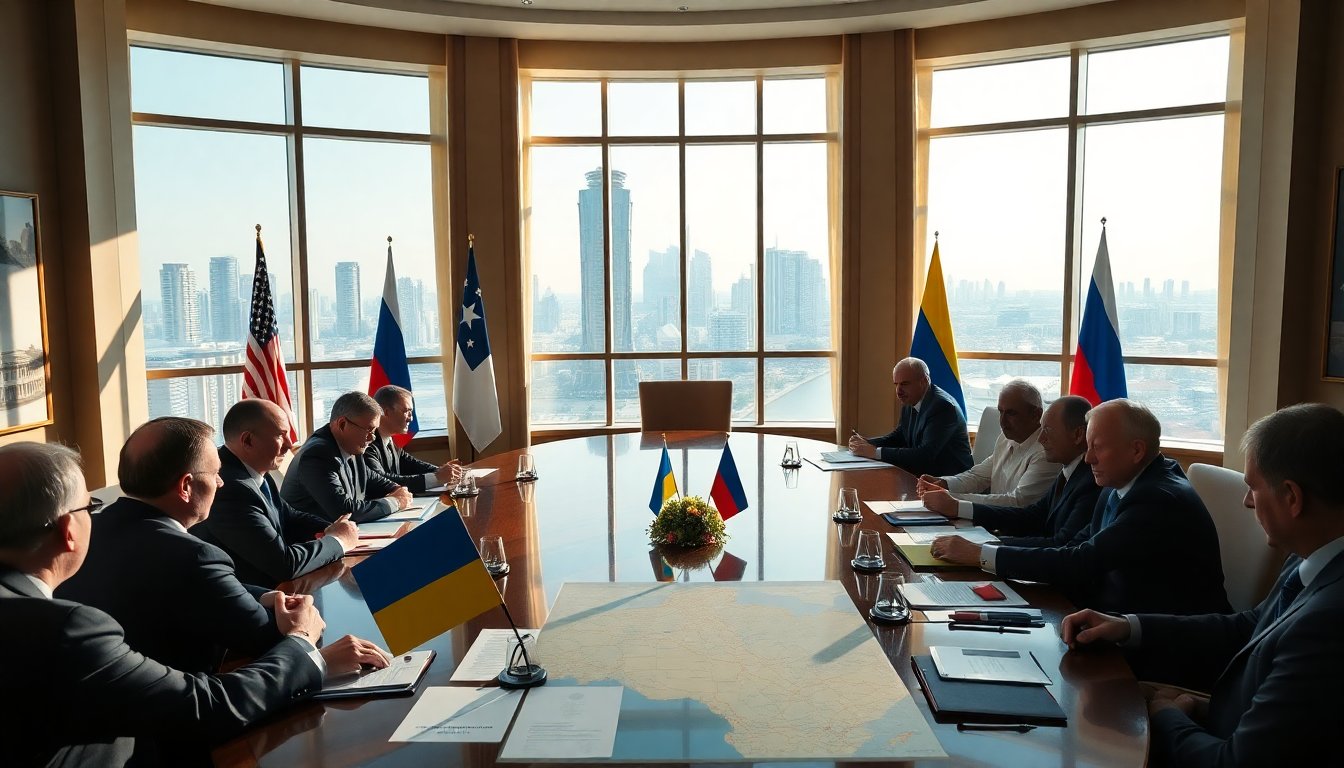
The conflict between Russia and Ukraine has escalated sharply, resulting in significant civilian casualties and widespread power outages. Amid worsening conditions on the ground, diplomatic representatives from both nations, along with the United States, have convened for peace talks in Abu Dhabi. These discussions aim to establish a framework for resolving the ongoing crisis, primarily focusing on issues related to territorial control in Eastern Ukraine.
In the latest overnight assault, Russian forces conducted a series of brutal attacks that left many Ukrainian civilians dead and disrupted essential services across a large portion of the country. This recent wave of violence underscores the urgent need for meaningful negotiations, as stakeholders seek a path toward de-escalation.
Diplomacy in the face of adversity
Informal discussions have already begun in Abu Dhabi, with representatives from both sides present. The Ukrainian delegation includes key figures such as Rustem Umerov, Kyrylo Budanov, and diplomatic advisor Serhii Kyslytsia. They are joined by Andrii Khnatov, Chief of the Ukrainian Military General Staff. On the opposing side, Russia’s envoy, Kirill Dmitriev, is accompanied by military intelligence chief Admiral Igor Kostyukov.
According to Russian media, Dmitry Peskov, the Kremlin spokesperson, stated that for peace to be achieved, the Ukrainian military must withdraw from the Donbass region. This stance reflects Russia’s ongoing insistence on territorial adjustments as a prerequisite for any lasting resolution. As negotiations unfold, the stakes remain high, and the potential for a breakthrough is uncertain.
Key players in the negotiations
Among the American representatives are notable figures from the previous administration, Steve Witkoff and Jared Kushner, who have traveled from Moscow to engage in these critical discussions. Their involvement signals the continuing interest of the United States in facilitating a peaceful resolution to this conflict. Dan Driscoll, Secretary of the U.S. Army, is also attending these talks, reflecting a strong military interest in the outcome.
The backdrop of these discussions is framed by the harsh realities faced by the Ukrainian population, who are enduring the consequences of ongoing military strikes. As delegations prepare for formal negotiations later today, the world watches closely, hoping for a path to peace that prioritizes humanitarian needs and territorial integrity.
Challenges ahead
While the discussions in Abu Dhabi may represent a glimmer of hope, the path to peace is fraught with challenges. The entrenched positions of both Russia and Ukraine, combined with the complexities of international diplomacy, create a precarious environment for any potential agreement. As the parties engage in dialogue, it remains unclear whether they will bridge their differences.
Furthermore, the recent escalation of violence complicates the landscape. Ongoing military actions by Russia may undermine the trust required for successful negotiations. Many analysts agree that for genuine progress to occur, both sides will need to make significant concessions, a prospect that currently seems daunting.
The role of international stakeholders
The involvement of the United States in these discussions highlights the global implications of the conflict. With various international stakeholders invested in the outcome, these negotiations encompass more than just Ukraine and Russia. Countries worldwide are acutely aware of how the resolution of this conflict could affect regional stability in Europe and beyond.
As these high-stakes discussions unfold in Abu Dhabi, the international community remains hopeful for a diplomatic resolution. The tragic toll of the ongoing conflict serves as a poignant reminder of the necessity for peace and the importance of dialogue in resolving disputes. However, the path to a lasting agreement will undoubtedly require resilience and a willingness to compromise from all parties involved.