
Table of Contents
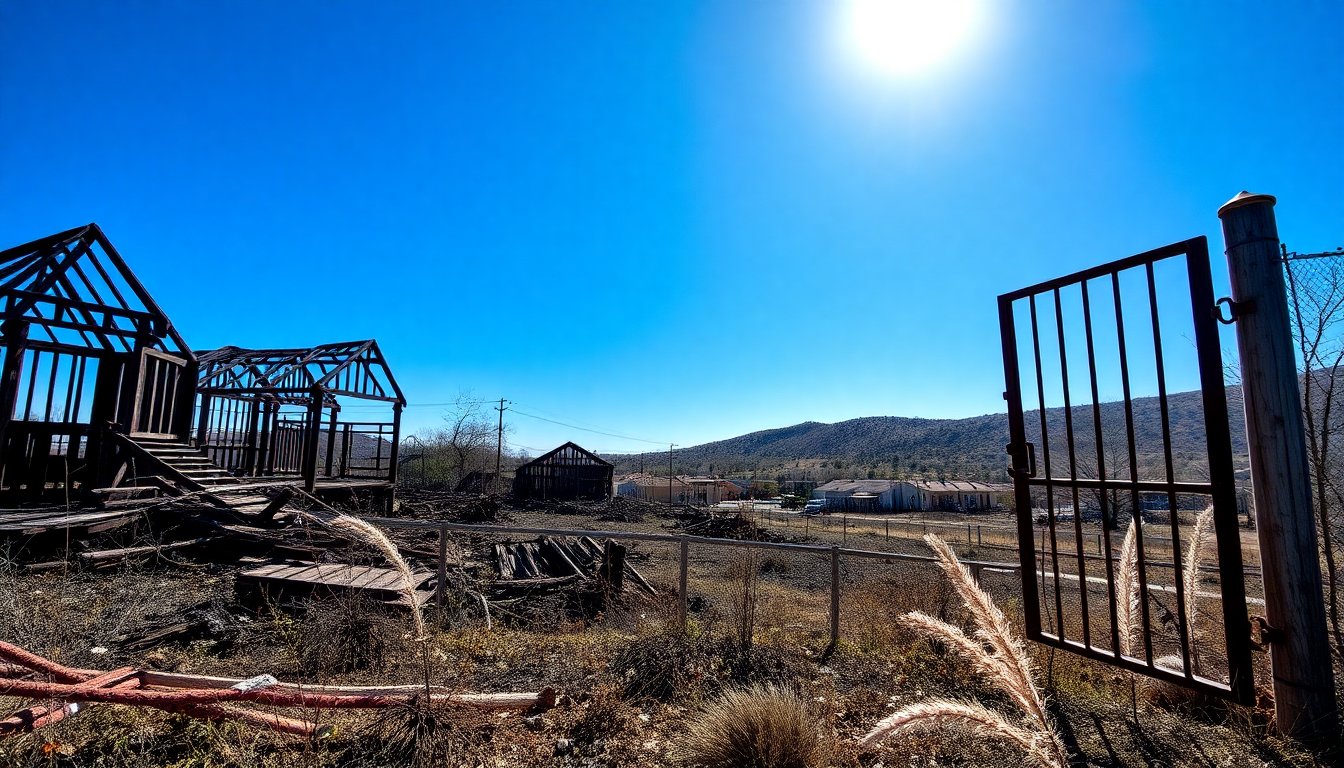
In the wake of catastrophic wildfires that ravaged Los Angeles County, many families continue to face a challenging recovery process. The fires ignited within hours of each other, claiming the lives of 31 individuals and destroying over 16,000 structures. The Pacific Palisades and Malibu fires were contained after a month of intense efforts, but survivors still bear the heavy burden of loss.
Over 6,000 homes were lost in the Pacific Palisades, while the Eaton Fire in Altadena destroyed more than 9,000 buildings. As the community works to rebuild, uncertainty and frustration linger.
The facts
One year after the disaster, many residents remain in limbo, waiting for permits to begin rebuilding their homes. The process has been slow, complicated by issues such as soil contamination and displacement. Nicole Gyarmathy, a resident who lost her apartment, is coping by engaging in small acts of restoration.
Finding hope in small actions
Gyarmathy has begun replanting flowers in her old neighborhood, stating, “I’ve seen silver linings all day long. Anything that I can do to help bring back health and what used to be here is a step forward.” Her efforts remind others that they are not forgotten and that hope persists.
Despite uplifting stories, recovery efforts have been inconsistent. As the anniversary of the wildfires approached, many residents voiced their frustrations, highlighting the need for accountability and action from local leadership.
The emotional toll of loss
Ken Ehrlich, an environmental attorney whose home was destroyed, recalls the devastating moment he returned to see the remnants of his property. “We pulled up right on Sunset, and I was hysterically crying at the sight of our still smoldering property with only the chimney standing. It was a devastating moment that I’ll never forget,” he said.
After months of uncertainty, construction has finally begun on Ehrlich’s property. However, a December analysis revealed that less than 14% of the homes lost in the Pacific Palisades have received the necessary permits to rebuild. Ongoing contamination issues in remaining structures further complicate residents’ recovery.
A community’s resilience
Amid these challenges, a sense of community resilience is emerging. Heavy machinery now occupies Ehrlich’s lot, symbolizing progress. “I’m really excited to move forward and build,” he expressed. “My hope is wanting to come back to my home, and I want my family to return because this neighborhood is who we are. I envision a future where the Palisades emerges stronger than before.”
Lessons from the Eaton Fire
Further afield, the Eaton Fire in Altadena developed under dire conditions, with firefighters already stretched thin due to the concurrent Palisades blaze. Winds reaching speeds of up to 90 miles per hour severely hampered aerial firefighting efforts, allowing the flames to spread rapidly. Brian Childs, who lost his home, vividly remembers the chaos: “It was all around me, black smoke billowing and flames consuming everything in sight. I could hardly believe it when I realized my home was gone.”
To date, only 10 homes have been rebuilt in Altadena, indicating a significant backlog in recovery efforts. Childs hopes to restore his family legacy, stating, “This is part of my family’s legacy, and I want to leave this for my children and their children.” Many families who were renters remain displaced a year later.
Community support initiatives
Over 6,000 homes were lost in the Pacific Palisades, while the Eaton Fire in Altadena destroyed more than 9,000 buildings. As the community works to rebuild, uncertainty and frustration linger.0
Over 6,000 homes were lost in the Pacific Palisades, while the Eaton Fire in Altadena destroyed more than 9,000 buildings. As the community works to rebuild, uncertainty and frustration linger.1