
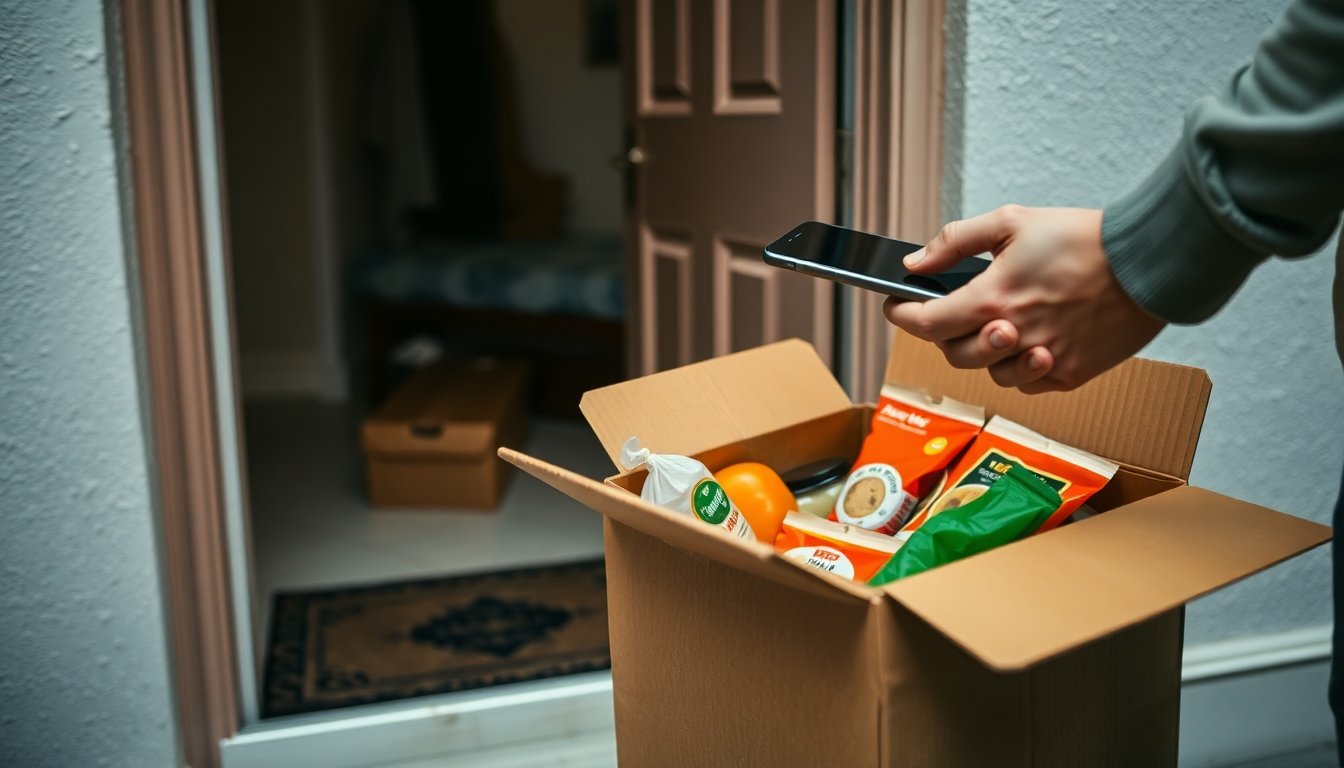
Weee, the San Francisco–based e-commerce grocer, is leaning into a lasting shift in American eating habits. Known for delivering curated Asian and Latino groceries to doorsteps, the company tells investors it sees continued demand for multicultural ingredients—even as immigration slows—driven by growing culinary curiosity and the convenience of online ordering.
What the company said In a public note dated 25/02/, Weee’s leadership argued that two broad trends will sustain growth: wider adoption of ethnic cuisines among mainstream consumers, and the steady normalization of on-demand grocery delivery. Management points to annual revenue growth in the high double digits—they’ve reported roughly 30–40% year-over-year gains recently—and expects similar expansion over the next five to ten years through deeper market penetration, category expansion and more routine grocery delivery behavior.
How the model works Weee’s playbook pairs a specialty assortment—with hard-to-find regional staples and authentic brand offerings—with logistics built specifically for home delivery. That combination targets shoppers who want both authenticity and convenience: immigrants seeking familiar ingredients, plus mainstream consumers experimenting with new flavors. The company uses mobile and web platforms, targeted promotions, local supplier partnerships and themed bundles to turn one-off curiosity buys into repeat orders and larger baskets.
Market dynamics behind the bet On the demand side, consumer interest in global flavors is rising. Search data and surveys show more shoppers are looking for ingredients tied to specific cuisines, and many are trying new products rather than simply replenishing staples. On the supply side, improvements in last-mile fulfillment and cold-chain technology have lowered friction for perishables, making reliable home delivery more viable. Academic and industry studies suggest faster, more reliable fulfillment increases repeat ordering—something Weee is counting on.
Three structural levers Weee’s long-term case rests on three enduring forces: – Broader culinary experimentation: Regional specialties and authentic products—items traditional supermarkets often don’t stock—are becoming mainstream. Assortment depth and provenance matter for repeat purchases. – Better delivery economics: Tighter fulfillment windows and improved cold-chain reliability reduce the friction that keeps casual shoppers from becoming regulars. – Trust and curation: In specialty categories, shoppers reward platforms that consistently source authentic products and verify provenance; trust supports premium pricing and loyalty.
Changing consumer behavior Exposure matters. In retail tests and live pilots, shoppers presented with trusted, diverse assortments tend to buy more frequently. That pattern suggests a structural tailwind: as global flavors move from novelty to routine, traditional grocers face growing competition from specialty-focused platforms that keep regional staples and harder-to-find condiments in stock. For Weee, the shift means merchandising, inventory and marketing aimed at making ethnic items regular basket components.
Delivery economics, retention and merchandising Perishables and culturally specific produce change the calculus of last-mile delivery—higher spoilage risk and tighter freshness requirements push up costs, but frequent repeat orders help spread fixed delivery expenses across more transactions. Curated assortments and themed bundles (e.g, pantry staples plus fresh produce and condiments for a regional recipe) boost average order value and encourage cross-selling. Real-world data show customers who regularly buy culturally specific items tend to be more loyal, so consistent availability reduces churn and raises lifetime value.
Operational considerations Scaling a curated inventory requires stronger supplier relationships and regional sourcing networks. As the company broadens its product mix, opportunities arise for private-label items and higher margins—but only if demand density in key metros offsets elevated unit fulfillment costs. Weee reports improving delivery margins driven by route optimization, more efficient fulfillment and scale, and management says continued tech investment and network densification are central to preserving unit economics.
Risks and the outlook Key risks are familiar: rising labor and fuel costs in the last mile, uneven demand density across service areas, and the operational complexity of a wider footprint. Large grocery chains could respond on price and selection, squeezing margins. To mitigate these pressures, Weee emphasizes three priorities: customer loyalty programs, private-label development, and localized assortments that reflect regional communities while also appealing to mainstream explorers.
Supply-chain integration—partnerships with regional distributors and suppliers—aims to shorten lead times, cut waste and improve turns. Those moves can lower costs and support competitive pricing, but they demand investment and careful coordination across multiple vendors.
What the company said In a public note dated 25/02/, Weee’s leadership argued that two broad trends will sustain growth: wider adoption of ethnic cuisines among mainstream consumers, and the steady normalization of on-demand grocery delivery. Management points to annual revenue growth in the high double digits—they’ve reported roughly 30–40% year-over-year gains recently—and expects similar expansion over the next five to ten years through deeper market penetration, category expansion and more routine grocery delivery behavior.0