
Table of Contents
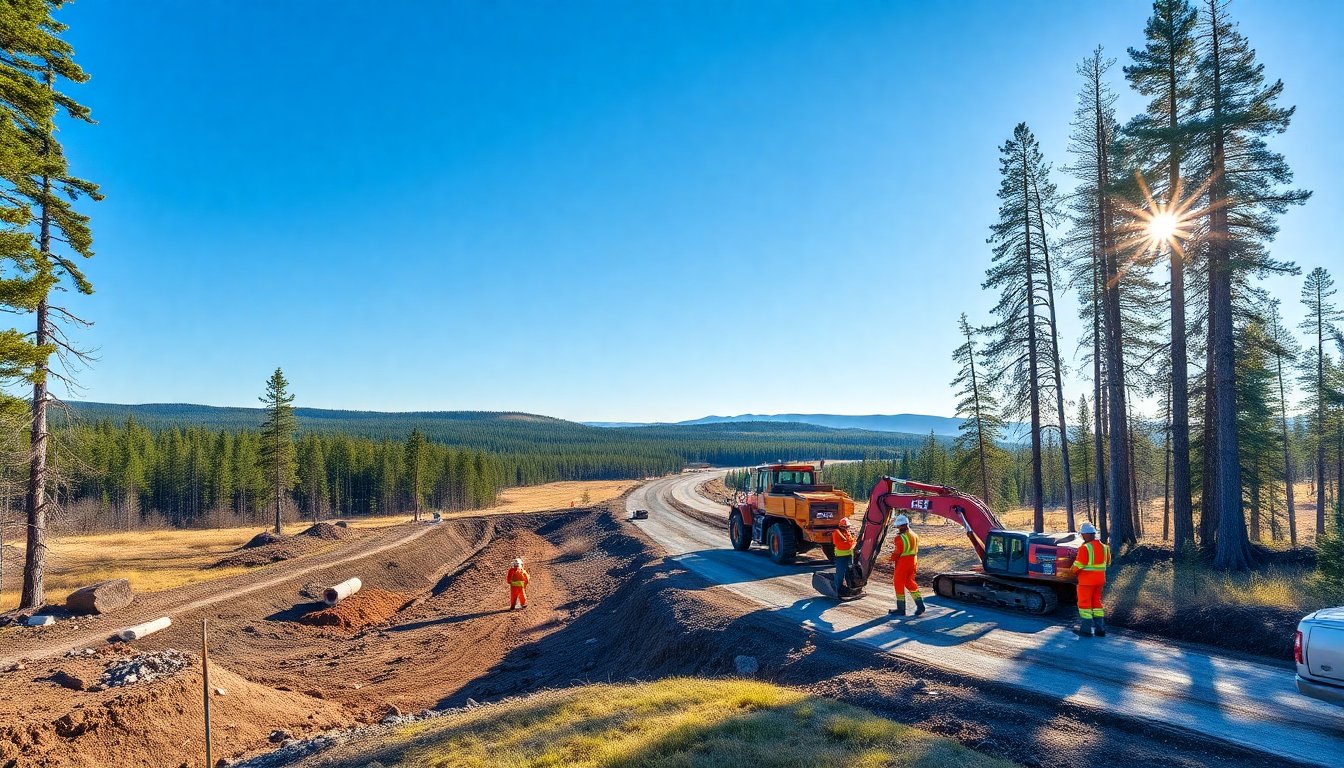
In a significant move to enhance infrastructure development, Ontario Premier Doug Ford and Prime Minister Mark Carney have formalized an agreement aimed at expediting the environmental assessment processes for major projects. Central to this initiative is the construction of a vital road leading to the Ring of Fire, a region in northern Ontario known for its rich mineral deposits.
The agreement, finalized on a Thursday, represents a shift towards a more efficient approach where the federal government will defer to Ontario’s environmental assessment framework. This strategy, dubbed “One Project, One Assessment,” has been a focal point for both provincial and federal officials who seek to streamline processes that have historically been bogged down by bureaucracy.
Details of the Agreement
Under the terms of this new agreement, the Impact Assessment Agency of Canada has committed to completing its review of the road project by. This timeline is crucial as Ontario has been advocating for the all-season road for several years, but progress had been stalled due to various regulatory hurdles.
The push for this road is not merely about transportation; it is intricately linked to the potential economic benefits that could arise from accessing the mineral wealth of the Ring of Fire. Ford expressed gratitude to Carney for his role in facilitating this agreement, emphasizing the job creation and economic opportunities it promises.
Impact on First Nations
In an effort to address concerns from local communities, particularly the First Nations, Ontario has engaged in discussions to provide funding in return for expedited assessments. The Webequie and Marten Falls First Nations are taking the lead on environmental assessments for three proposed roads that would connect their communities to the mining activities in the Ring of Fire.
While some First Nations support the project as a means of alleviating poverty, others have expressed opposition, fearing that development could threaten their way of life. This dichotomy highlights the complexity of resource development in the region, where economic aspirations clash with environmental and cultural preservation.
Historical Context and Future Outlook
The Ring of Fire area has long been recognized for its potential to yield critical minerals essential for various industries, including technology and renewable energy. However, prior attempts to advance infrastructure projects in this region have faced significant delays. For instance, the federal government previously halted work on Highway 413 due to environmental concerns regarding endangered species.
Carney’s recent election victory has prompted a reevaluation of federal involvement in provincial projects, signaling a more cooperative approach. His administration aims to foster a climate that supports rapid infrastructure development while maintaining stringent environmental standards.
Challenges Ahead
Despite the optimism surrounding this agreement, challenges remain. The federal government has initiated a regional assessment working group to better understand the implications of scaling up development in the Ring of Fire. This group will focus on essential factors such as navigable waters, species at risk, and migratory birds, which are all under federal jurisdiction.
As Ontario moves forward with its plans, it is crucial to balance economic growth with environmental stewardship. The decision to refrain from designating the road as a special economic zone indicates a willingness to engage with First Nations and consider their perspectives in development discussions.
Looking ahead, the potential for unlocking the Ring of Fire’s resources remains promising, with mining companies like Wyloo and Juno Corp. eager to capitalize on the region’s mineral wealth. As these developments unfold, the collaboration between Ontario and the federal government will play a pivotal role in shaping the future of the Ring of Fire.