
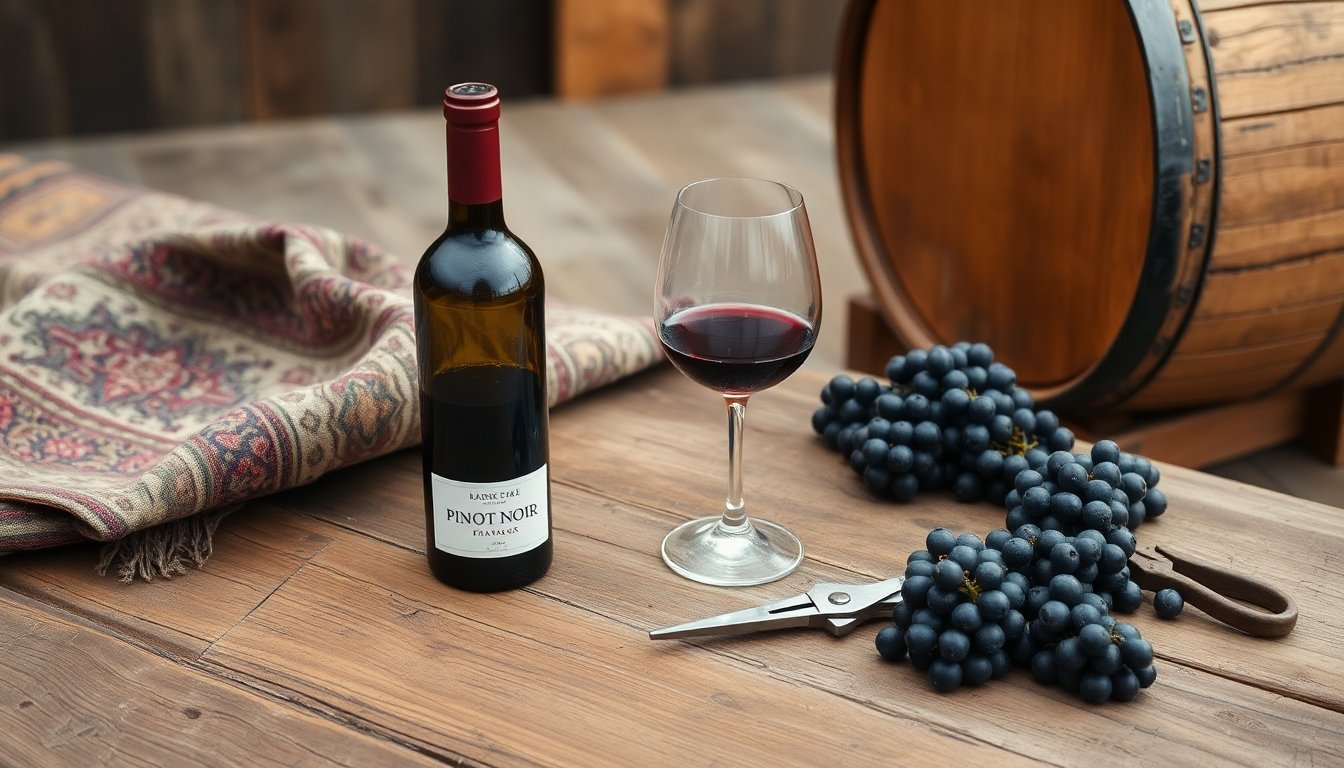
Moe Momtazi left Iran in 1982 and planted new roots among the gentle hills of Oregon’s Willamette Valley. There he built Maysara Winery — its name, Maysara, literally “house of wine” in Farsi — a small estate that channels a multi-generational Persian tradition into terroir-driven Pinot noirs. The wines have earned quiet respect: not flashy, but precise and expressive, the product of careful farming, small-batch fermentations, and an unmistakable sense of place.
Family is woven into every part of the project. From the vineyard rows to the tasting room, Maysara remains a family enterprise. Moe’s daughter, Naseem, serves as president of sales; other relatives help manage operations and steward the brand’s story. That story—wine as craft, culture, and continuity—sits at the heart of why customers respond so strongly to the label.
Recent unrest in the Gulf has turned headlines into something very personal for the Momtazis. Open-source satellite images showing fires near Bandar Abbas, plus public statements connected to Operation Epic Fury, have made distant events immediate and unsettling. From Oregon, the family watches with relief that some relatives are safe and deep anxiety for those still in Tehran, including Moe’s 98-year-old mother and two brothers. For Naseem, trips to Iran are layered with emotions: joyful reunions and rituals of affection on one hand, practical constraints and social limits on the other.
Maysara runs deliberately small by design. Focusing on estate-grown fruit and careful, limited production lets the winery prioritize quality over scale. Sales are a mix of direct-to-consumer relationships, selected retail placements, and collector sales. That approach supports higher margins per bottle than bulk-market labels and builds loyalty among collectors who value provenance and a human backstory. The family keeps exact numbers private, but the model — boutique production, engaged customers — is a familiar one in the fine-wine world.
Even so, a skirmish thousands of miles away can ripple into Oregon. The links are less poetic than practical: damage to ports near the Strait of Hormuz or Bandar Abbas can push up insurance premiums, raise freight costs, and create logistical delays. For a small producer that ships internationally, sudden spikes in shipping or war-risk coverage mean higher bills and sometimes tense conversations with distributors and retailers.
There’s also reputational exposure. Brands connected by family or origin to contested regions often face pointed questions from buyers, the press, and trade partners. Yet the same heritage that invites scrutiny can also deepen customer loyalty. Many consumers seek out brands with clear provenance and a recognizable human story. For Maysara, Iranian roots are both a differentiator and, when headlines turn negative, a potential vulnerability.
What to watch next
– Shipping and insurance: Expect short-term surges in freight rates and war-risk premiums after reported attacks or port fires. If disruptions continue, rerouting and longer transit times become more common. – Market sentiment: Specialty retailers and collectors can react quickly to perceived risk, causing temporary inventory slowdowns in diaspora-heavy markets. – Brand visibility: Thoughtful, authentic communication about family ties and operational continuity helps preserve brand equity and reassure buyers. – Reliable reporting: Verified satellite imagery and official statements will shape how long heightened costs and caution persist.
Why cultural continuity matters here
Heritage isn’t just marketing for a small estate; it’s practical knowledge and emotional capital. The family’s background influences vineyard decisions, winemaking philosophies, and the stories that convince a buyer to reach for a premium bottle. Diaspora communities often act as early adopters and steady supporters for heritage brands, offering a cushion when logistical shocks hit — support that can make the difference between weathering a storm and folding under pressure.
Key risks
– Vintage variability and climate pressures remain the core operational challenges. – Geopolitical shocks add logistical strain and reputational uncertainty. – Travel restrictions or safety concerns could curtail the owners’ ability to lead tastings, sales trips, and in-person retailer relationships.
A tempered optimism
Data from premium, terroir-focused wine segments suggest resilience: when supply chains normalize, niche brands that emphasize provenance often retain pricing power and customer loyalty. If the Gulf incidents are localized and port repairs proceed quickly, the direct impact on Maysara should be manageable. But prolonged instability would tighten credit, raise transaction costs, and likely deter diaspora investment—headwinds for any small exporter.
Family is woven into every part of the project. From the vineyard rows to the tasting room, Maysara remains a family enterprise. Moe’s daughter, Naseem, serves as president of sales; other relatives help manage operations and steward the brand’s story. That story—wine as craft, culture, and continuity—sits at the heart of why customers respond so strongly to the label.0