
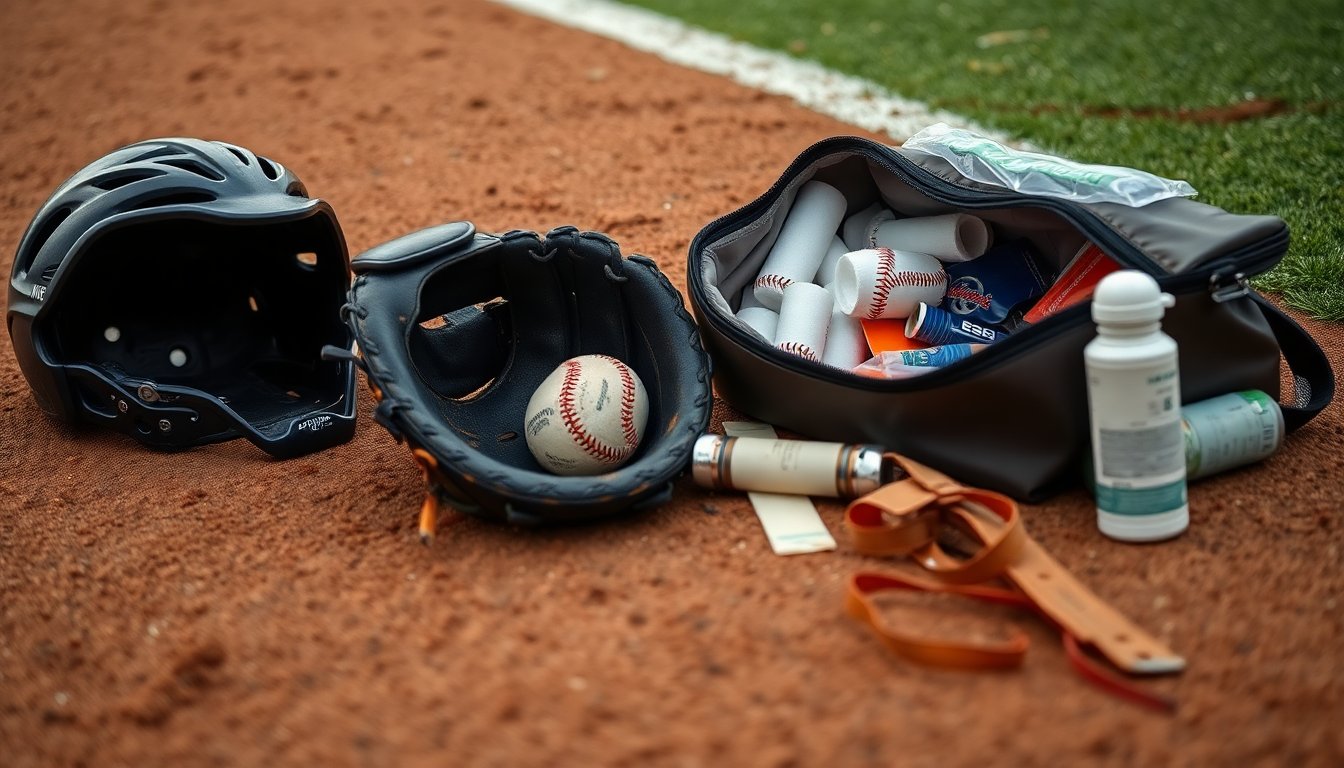
Spring camp opened with optimism in Baltimore, but a cluster of injuries among the Orioles’ top prospects has clouded those expectations. Internal documents and team records obtained by this newsroom trace a series of setbacks — capped by a dramatic plate collision that sidelined catching prospect Samuel Basallo — and show those on-field disruptions arriving amid coaching moves in the organization. Below is a reconstructed timeline of events, who’s involved and what it could mean for the Orioles this season.
What the documents show – During a spring scrimmage, Samuel Basallo dove to block the plate on a relay and left the field under his own power after on-field treatment. Team records describe an acute contusion to the midsection; imaging and specialist consultations were ordered and the club classified him as day-to-day while awaiting results. – Earlier in camp, Jackson Holliday and Jordan Westburg had already been limited by separate injuries: Holliday with a broken hamate and Westburg with a partially torn UCL. Internal practice reports list both as having restricted workloads while receiving treatment. – Training-room notes and lineup cards from exhibition week reflect modified reps across infield and catching groups. The combined effect lowered full-squad repetitions and forced coaches to reassign live work to other prospects. – Off the field, former interim Orioles bench coach and acting manager Tony Mansolino accepted a role with the Atlanta Braves. Personnel files and correspondence show he characterized the move as a positive step for his career; both clubs completed administrative steps to process the transition.
How the injuries unfolded The sequence begins with Holliday and Westburg being logged as limited participants in early spring. Basallo’s collision came later in a supervised drill. Medical staff removed him immediately for assessment, documented localized tenderness in the abdominal area, and paused his throwing progression while specialists reviewed imaging. Coaches convened short meetings to adjust live reps and to model short-term roster permutations. Throughout, the club favored a cautious approach: protecting recovery timelines rather than rushing players back into game action.
Who matters here – Samuel Basallo: The catching prospect who showed power potential last season but struggled with contact (.165/.229/.330 across 118 MLB at-bats). He had been slated for DH and occasional first-base duty if healthy. The midsection injury halted his spring progression at a delicate moment. – Jackson Holliday and Jordan Westburg: High-upside infielders whose earlier absences already constrained depth and flexibility. – Medical and player-development staff, plus major-league coaches and front-office executives: Their coordination — from imaging referrals to contingency roster lists — has driven the club’s conservative posture. – Tony Mansolino: His exit to Atlanta creates a separate continuity question for Baltimore’s coaching cohort.
Immediate implications for the roster With three prospects limited, the Orioles face tighter short-term depth. Reduced repetitions for catchers and infielders increase the likelihood of calling up minor-leaguers, leaning on veteran depth, or making low-risk acquisitions to protect early-season competitiveness. From a development perspective, even brief interruptions can slow at-bats and defensive repetitions that prospects need to build toward big-league readiness, and the front office has factored service-time and long-term durability into its deliberations.
What the club is likely to do next Documents show the Orioles will wait on diagnostic results before finalizing roster moves. Expect staged medical updates, possible temporary promotions if absences persist, and reassignment of live reps within the organization. The team’s public statements will follow formal medical assessments; internally, coaches will keep workloads conservative to preserve throwing mechanics and long-term health.
Context: coaching movement and organizational timing Records link Mansolino’s departure to a broader period of change. He served as third-base coach, then as interim manager during a stretch that saw the team turn around after a poor start. Correspondence between Baltimore and Atlanta details the onboarding process; neither side released an extensive public narrative, but internal notes describe the move as timely for Mansolino’s career. The transition complicates coaching continuity at a moment when player-development alignment matters most.
Broader picture: projections, depth and culture Analytical systems and betting markets presently cast different pictures for Baltimore and Atlanta. Models like PECOTA — and early market action — favor Atlanta for its rotation stability and depth. Baltimore’s forecasts are more conditional: if its internal health holds and prospects return on schedule, the team can make noise; if not, simulations show a median outcome that leaves less margin for error. Off-field items such as umpiring culture and game presentation also shape public conversation, but they don’t change roster realities on the field.
A note on Ron Luciano and baseball’s storytelling A separate archival review published on 26/02/revisits umpire Ron Luciano and his theatrical on-field persona. The piece collects anecdotes — including confrontations involving Orioles figures — that remind readers how colorful personalities help shape baseball lore. Those stories live alongside the statistical and operational records that define a season; together they form the sport’s layered narrative. Short-term roster moves are possible, but the franchise is signaling patience over haste to protect long-term upside. As imaging and specialist reports arrive, expect incremental updates from the club and potentially a few minor transactions if limitations continue. This newsroom will continue tracking official medical releases, practice logs and personnel announcements as the situation develops.