
Published: 21/02/2026
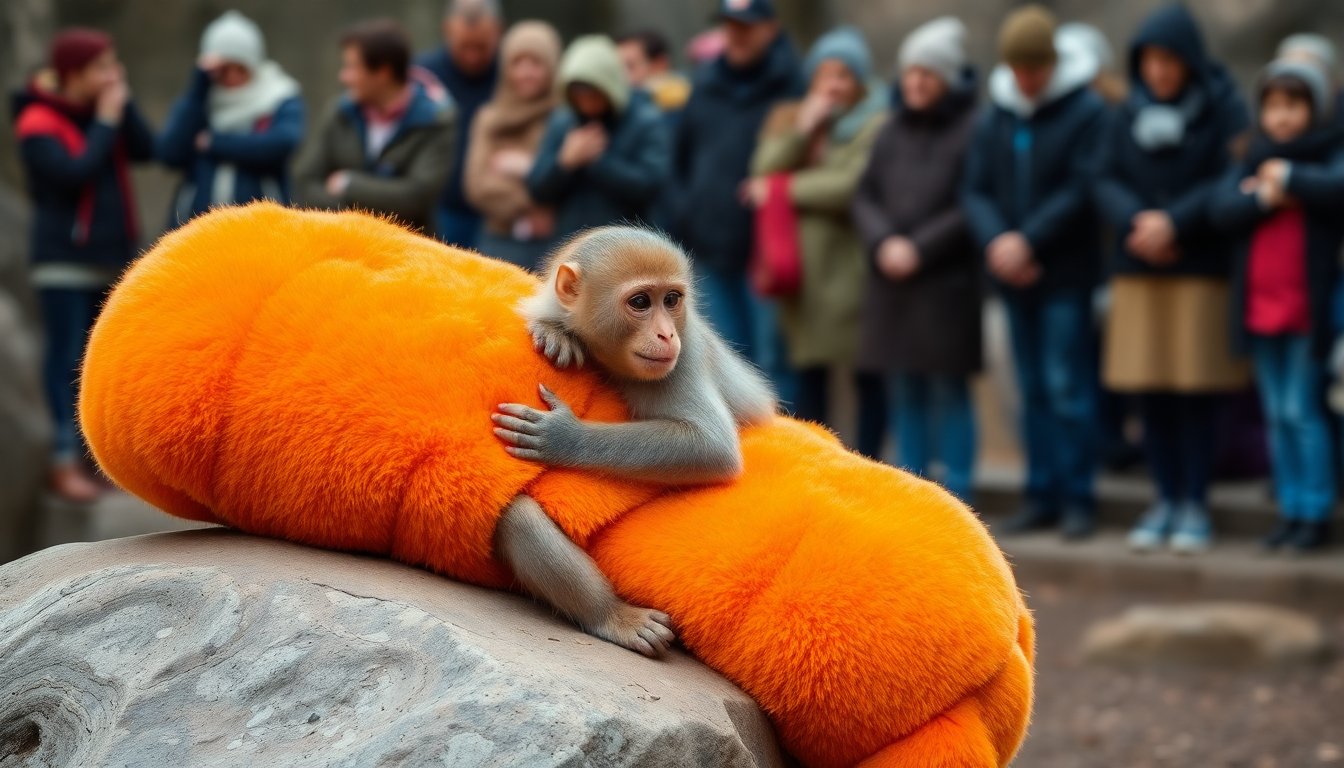
In Ichikawa City Zoo, Chiba Prefecture, a tiny hand-reared Japanese macaque named Punch has become an unexpected internet star — and for good reason. Abandoned shortly after birth, Punch found solace in an oversized orange stuffed orangutan bought from IKEA. Videos of him clutching, cuddling and dozing with the plush have been shared around the world, turning a private rehabilitation into a viral moment.
Why everyone’s watching
The clips have brought a steady stream of visitors to the zoo. Staff say attendance has jumped, with long queues forming as people come to see Punch and his comfort toy in person. The story has also sparked wider conversations about how we care for orphaned primates, how animals form attachments, and what responsible zoo management looks like under the glare of social media.
How Punch was cared for
Keepers stepped in when Punch was rejected at birth and began intensive hand-rearing: bottle feeds, warmth, and constant human contact to replace the absent mother. In such cases, surrogate objects — soft toys, blankets — are often used to ease stress, help with sleep and encourage normal feeding behaviour. At Ichikawa, staff introduced the orange plush early on; Punch quickly formed a clear preference for it, carrying the toy on his back and returning to it when startled.
The zoo treats the plush as part of a broader rehabilitation plan. Alongside veterinary checks, Punch’s routine includes enrichment activities and gradual exposure to other macaques. Keepers monitor behaviour and physiological signs to judge when he’s ready for fuller integration into the troop.
What the science says (briefly)
Research on primates shows that early tactile contact matters for later social development. When infants lose maternal care, surrogate comfort items and steady caregiving can reduce stress and help them make a smoother transition to peers. That said, specialists warn that human intervention must be carefully managed: rushed or poorly planned reintroduction can cause long-term problems.
The viral ripple effect
Once clips of Punch and his plush spread across Instagram, X and YouTube in mid-February, views climbed into the millions. Many viewers responded with warmth and encouragement, praising both Punch’s resilience and the keepers’ efforts. The buzz didn’t stop at sympathy — searches for similar plush toys spiked and several retailers reported higher demand for low-cost stuffed animals. The IKEA toy unexpectedly became a symbol of comfort online.
Public attention has benefits and risks. Increased visitation can boost education funding and raise awareness about primate welfare, but it can also put pressure on staff to make hasty decisions or expose sensitive animals to stress. Zoo officials urge audiences to appreciate the story while trusting the professionals overseeing Punch’s care.
Social reintegration: a cautious process
Keepers have started staged introductions between Punch and the macaque troop. Progress looks steady but cautious: some macaques hesitated at first, and during tense moments Punch still leans on his plush for reassurance. The team runs targeted enrichment exercises and keeps detailed behavioural records, prioritising stability over speed.
Debates around enclosure design, visitor management and long-term welfare continue among advocates and critics. The zoo points to Punch’s gradual improvements as evidence of effective care, but says decisions on husbandry and public access will keep being shaped by ongoing assessments and best-practice guidance.
What comes next
For now, the plan is steady observation and careful adjustment. Keepers will maintain behavioural scoring, conduct periodic welfare audits, and tweak visitor access as needed to protect Punch and preserve troop cohesion. The staff also hope to channel the public’s fascination into education about primate care and responsible wildlife tourism — turning a viral moment into something that helps animals in the long run.
Why everyone’s watching
The clips have brought a steady stream of visitors to the zoo. Staff say attendance has jumped, with long queues forming as people come to see Punch and his comfort toy in person. The story has also sparked wider conversations about how we care for orphaned primates, how animals form attachments, and what responsible zoo management looks like under the glare of social media.0