
Table of Contents
In Minneapolis, tensions have escalated following an incident involving an officer from Immigration and Customs Enforcement (ICE). The shooting of Renee Nicole Good, a 37-year-old woman, has ignited outrage among local officials and community members. As the city faces an increasing presence of federal agents, calls for a reassessment of these operations have intensified.
The shooting took place while Ms. Good was in her vehicle, leading to conflicting narratives from federal and local authorities. The Trump administration claimed Ms. Good attempted to run over the officer, a statement vehemently contested by Minneapolis Mayor Jacob Frey, who deemed it unacceptable.
Community response and investigations
Investigations into the circumstances surrounding the shooting have commenced, drawing profound concern from local officials regarding ICE agents’ actions. Minnesota Governor Tim Walz has urged the public to remain calm while emphasizing the necessity of a thorough investigation. In light of the turmoil, schools in the area have suspended classes to ensure safety.
Federal justification versus local outrage
During a recent press briefing, Homeland Security Secretary Kristi Noem defended the actions of ICE agents, asserting they operated within the law. She claimed sanctuary policies in cities like Minneapolis protect criminals, stating, “If you are a criminal illegal alien, we are coming to get you.” This stance has only amplified local outrage.
Witness accounts of the shooting significantly diverge from the official narrative. One witness, Emily Heller, described the moments leading up to the shooting, stating that Ms. Good had been peaceful before the confrontation with ICE agents. Heller recounted hearing warning whistles from neighbors, indicating the presence of ICE, before witnessing the agents’ aggressive approach toward Good’s vehicle.
A life remembered
The tragic loss of Renee Nicole Good has raised questions about the legitimacy of ICE’s operations and prompted heartfelt tributes from those who knew her. The president of Old Dominion University, where Good studied creative writing, highlighted the broader implications of her death on communities nationwide, emphasizing the need for civility and compassion.
Advocacy for change
In the aftermath of her death, various rights groups are demanding the removal of ICE from Minneapolis and calling for the arrest of the officer involved in the shooting. Levy Armstrong from the Minnesota Immigrant Rights Action Committee emphasized the distrust in federal investigations, advocating for local authorities to take charge of the inquiry.
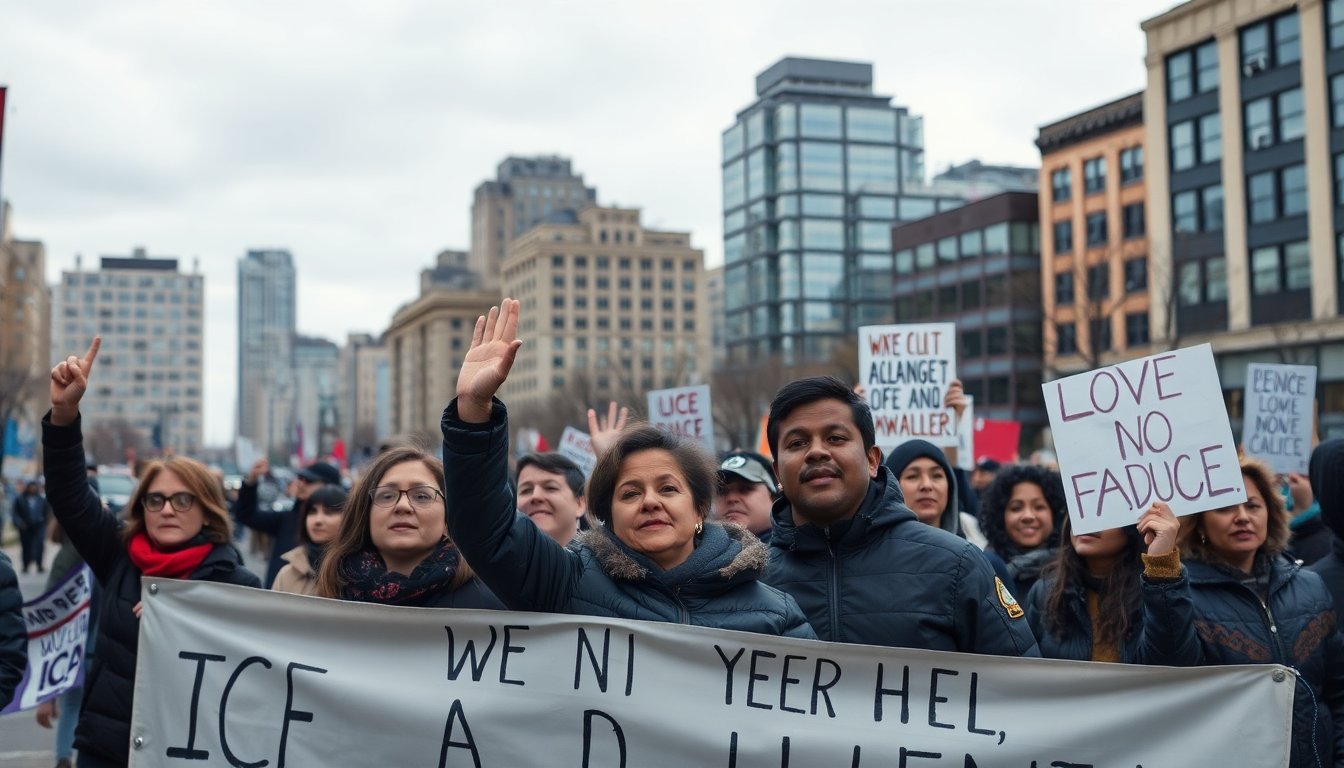
As the situation unfolds, protests have erupted in Minneapolis and other cities, with demonstrators expressing their discontent and calling for an end to ICE operations. The community is showing solidarity through vigils and marches, where slogans demanding justice and accountability resonate strongly.
Reflections on a divided nation
Renee Nicole Good’s untimely death serves as a sobering reminder of ongoing tensions surrounding immigration enforcement in the United States. Activist and civil rights lawyer, Nekima Levy Armstrong, remarked on the implications of the shooting, noting it reflects pressing issues of government oppression and police violence affecting many communities across the nation.
As protests continue and the investigation proceeds, the citizens of Minneapolis are left grappling with the realities of systemic issues within law enforcement and immigration policy. The memory of Renee Nicole Good will undoubtedly fuel discussions about justice, community safety, and the demand for comprehensive reform.