
Table of Contents
The state of Minnesota is facing significant public unrest following the death of a local woman during an operation involving an Immigration and Customs Enforcement (ICE) agent. The incident, which occurred in Minneapolis, has sparked ongoing protests. As tensions escalate, U.S. President Donald Trump has threatened a ‘day of reckoning and retribution’ for the state, intensifying the already volatile situation.
The controversy began when ICE personnel shot Renee Nicole Good, a 37-year-old mother, during a law enforcement operation. Following her death, citizens of Minnesota have taken to the streets, demanding accountability and justice. Local officials have criticized the federal response, claiming it has been excessive and detrimental to community safety.
The incident and its aftermath
Reports indicate that Good was part of an enforcement operation when she was shot. The initial narrative from the Trump administration labeled her as a domestic terrorist, alleging that she attempted to use her vehicle as a weapon against the agents. However, video evidence complicates this claim, suggesting that Good was trying to flee rather than attack.
Public reaction and protests
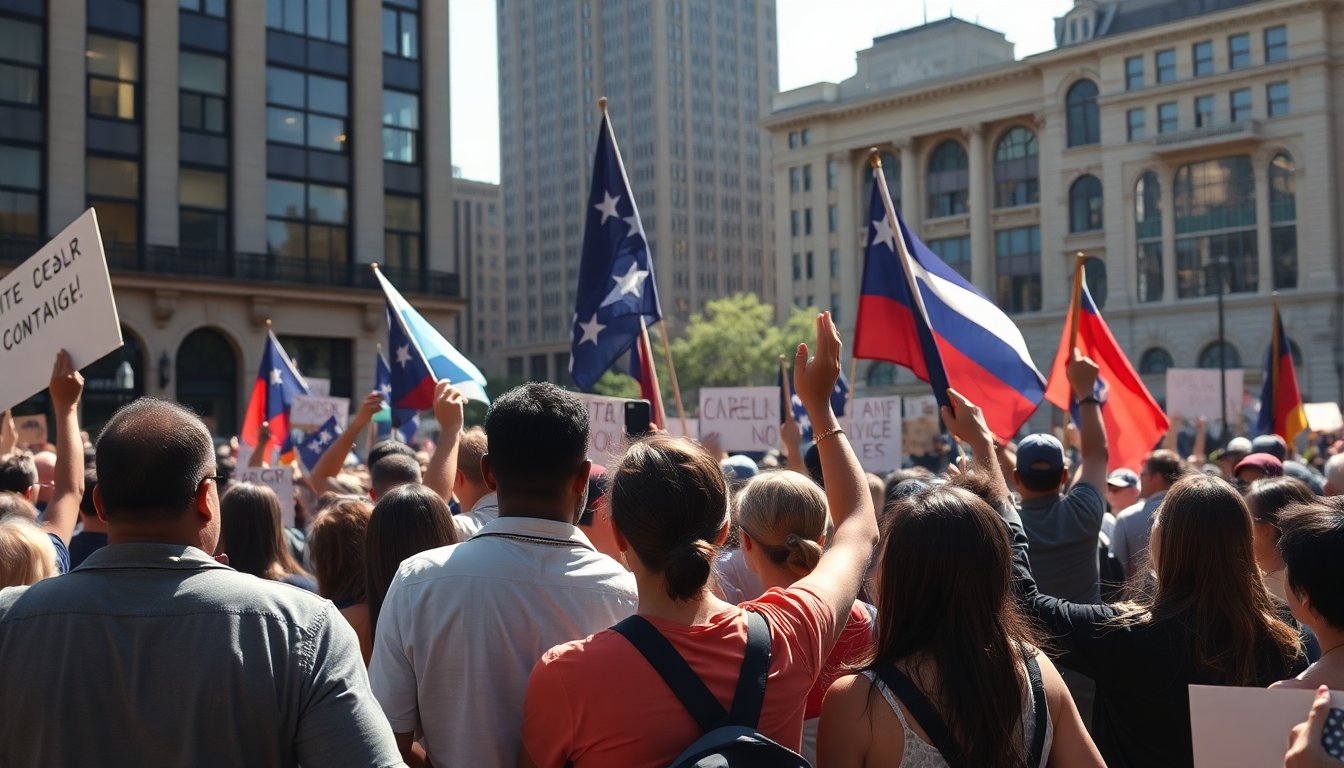
Since the shooting, Minneapolis has experienced ongoing demonstrations. Citizens express their anger not only over Good’s death but also against the broader implications of ICE’s presence in their communities. Protesters argue that the actions of ICE agents reflect a pattern of racial profiling and excessive force. In response, Minnesota’s Attorney General has filed a lawsuit against the Department of Homeland Security, asserting that their operations violate the constitutional rights of residents.
Federal response and implications
To bolster ICE’s presence, the federal administration has announced plans to send hundreds more agents to Minneapolis. This decision has faced significant opposition from local officials, who perceive it as a dangerous escalation of federal authority. Minneapolis Mayor Jacob Frey has publicly criticized the federal government’s tactics, calling for a reassessment of ICE’s operations in the city.
Legal challenges and community concerns
The lawsuit filed by the state seeks to stop what officials describe as a federal invasion of the Twin Cities. It raises concerns about racial profiling and the harassment residents have faced since the increase in ICE activity. Community leaders argue that the influx of federal agents has fostered a climate of fear, resulting in school lockdowns and business closures. These accusations highlight a troubling trend of federal overreach and its consequences for local governance and community safety.
As public outcry persists, the United Nations Human Rights Council has called for an independent investigation into the shooting. Minnesota’s leaders are advocating for accountability and transparency, aiming to restore trust between the community and law enforcement.
Amid the turmoil, the Trump administration’s rhetoric has further polarized the situation. By framing events as a conflict between ICE and immigration enforcement opponents, the administration has positioned itself within a contentious political landscape. This rhetoric has exacerbated divisions within the community, contributing to an atmosphere of hostility.
The tragic death of Renee Nicole Good has emerged as a critical issue in the broader discussions surrounding immigration enforcement and community safety in Minnesota. As protests continue and legal disputes unfold, the situation remains dynamic, with significant implications for local governance and civil rights. The community is demanding change, seeking justice for Good and an end to practices they believe jeopardize their safety and well-being.