
Title: Cross‑Border Air Raids Rekindle Violence on the Pakistan–Afghanistan Frontier — What Happened and What Comes Next
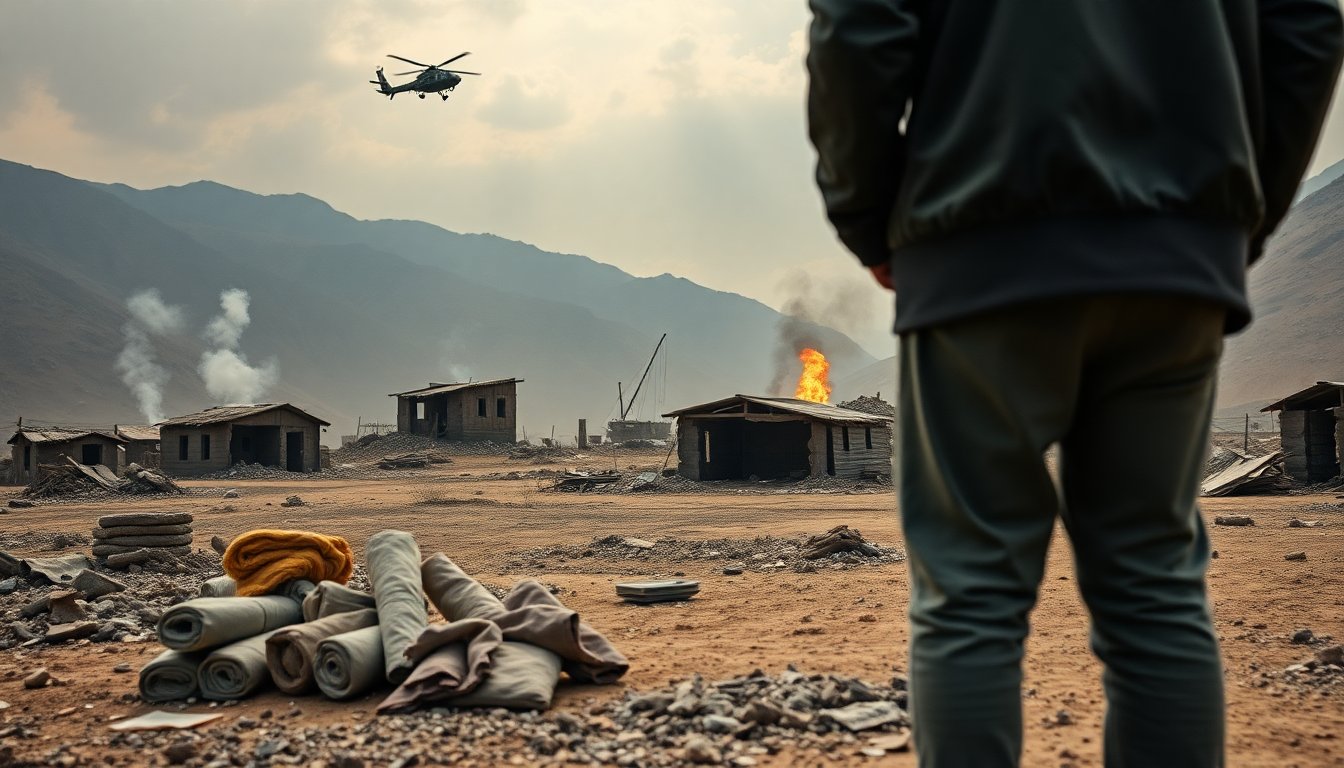
A series of air strikes that Pakistan says targeted sanctuaries of the Pakistan Taliban (TTP) inside Afghanistan has abruptly shattered a fragile calm along the border. Conflicting accounts of casualties, rising humanitarian alarm and sharper diplomatic rhetoric have turned a localized security operation into a regional flashpoint. Below is a clear, readable walkthrough of the events, why the facts are contested, how the parties responded, and practical policy options to reduce the risk of further escalation.
What happened
– On February 6 a suicide bomber struck a Shia mosque in Islamabad, killing and injuring worshippers. That attack was quickly followed by violent incidents in Bajaur and Bannu, including a vehicle-borne explosion that hit Pakistani soldiers.
– Islamabad publicly blamed armed groups it says operate from Afghan soil. In response, the Pakistani military announced intelligence‑based air raids on seven sites in Nangarhar and Paktika provinces, describing the targets as TTP command-and-control nodes and allied hideouts.
– Pakistan’s military declared many militants were killed. Afghan officials disputed that account, reported civilian deaths and said the strikes hit a religious school and private homes. Kabul warned of a “measured and appropriate” response — language that signaled both diplomatic protests and potential security countermeasures.
Why verification is difficult
Each episode along this border follows a familiar script: hard-to-confirm government claims, competing casualty tallies, and sparse independent verification. Remote terrain, restricted access for journalists and aid groups, and the absence of neutral imagery mean many details remain contested. That uncertainty not only fuels public mistrust on both sides but also hampers international mediators trying to piece together an impartial record.
How Islamabad framed the strikes
Pakistani officials presented the raids as a defensive, time‑limited move after a string of deadly attacks left little political or security room to wait. They maintain that credible intelligence pointed to cross‑border planners and handlers, and assert that previous diplomatic démarches to secure action from Kabul had failed. According to Islamabad, the goal was surgical disruption of militant networks, not occupation or long‑term presence inside Afghan territory.
Kabul’s response and humanitarian worries
Afghan authorities condemned the strikes as violations of sovereignty and pointed to civilian casualties, including women and children. Local reporting from parts of Nangarhar—Bihsud district in particular—described dozens of fatalities and extensive damage to homes. Afghanistan’s blend of formal legal protests and promises of a measured response appears aimed at two things: signaling to the international community that its borders were breached, and reassuring a domestic audience angry at the loss of civilian life.
Humanitarian agencies and local journalists are pressing for unfettered access to the affected areas so they can verify damage, assist survivors and document casualties. Transparent, independently verifiable reporting would calm some tensions and make it harder for either side to manipulate the narrative.
Fragile ceasefires and repeating patterns
The strikes interrupted a quiet that had been negotiated with the help of mediators such as Qatar and Türkiye. But history suggests these spurts of violence tend to repeat: strikes that temporarily degrade militant capabilities, followed by retaliations and stalled diplomacy. Such cycles may yield short-term tactical gains but do little to address the political and social drivers that sustain transnational militancy.
Regional ripple effects — where India fits in
What began as a bilateral security dispute quickly drew broader regional attention. India publicly condemned the cross‑border air operations, reaffirmed Afghan sovereignty and urged restraint. From Islamabad’s perspective, New Delhi’s deeper engagement with Kabul—through reopened embassies and high-level visits—complicates Pakistan’s security calculus and may reshape local alliances. In this climate, diplomatic statements, media framing and shifting alignments now interact with operational choices on the ground, raising the odds of a protracted stalemate unless channels for dialogue are reopened.
Policy choices and trade-offs
Policymakers face a narrow and risky set of options. Kinetic strikes can disrupt militant networks but risk civilian casualties, diplomatic isolation and unintended escalation. Complete restraint preserves international ties but can be politically costly for governments under pressure after mass-casualty attacks. A pragmatic middle path reduces escalation risks while addressing immediate security needs.
A series of air strikes that Pakistan says targeted sanctuaries of the Pakistan Taliban (TTP) inside Afghanistan has abruptly shattered a fragile calm along the border. Conflicting accounts of casualties, rising humanitarian alarm and sharper diplomatic rhetoric have turned a localized security operation into a regional flashpoint. Below is a clear, readable walkthrough of the events, why the facts are contested, how the parties responded, and practical policy options to reduce the risk of further escalation.0
A series of air strikes that Pakistan says targeted sanctuaries of the Pakistan Taliban (TTP) inside Afghanistan has abruptly shattered a fragile calm along the border. Conflicting accounts of casualties, rising humanitarian alarm and sharper diplomatic rhetoric have turned a localized security operation into a regional flashpoint. Below is a clear, readable walkthrough of the events, why the facts are contested, how the parties responded, and practical policy options to reduce the risk of further escalation.1
A series of air strikes that Pakistan says targeted sanctuaries of the Pakistan Taliban (TTP) inside Afghanistan has abruptly shattered a fragile calm along the border. Conflicting accounts of casualties, rising humanitarian alarm and sharper diplomatic rhetoric have turned a localized security operation into a regional flashpoint. Below is a clear, readable walkthrough of the events, why the facts are contested, how the parties responded, and practical policy options to reduce the risk of further escalation.2