
Table of Contents
The cricketing world is currently abuzz with a significant development: Pakistan has officially announced its decision to boycott the upcoming T20 World Cup match against its traditional rival, India. Prime Minister Shehbaz Sharif articulated this decision as a show of support for Bangladesh, which recently faced exclusion from the tournament. This move reflects the complex interplay of politics and sportsmanship as the sporting community watches closely.
Background of the boycott
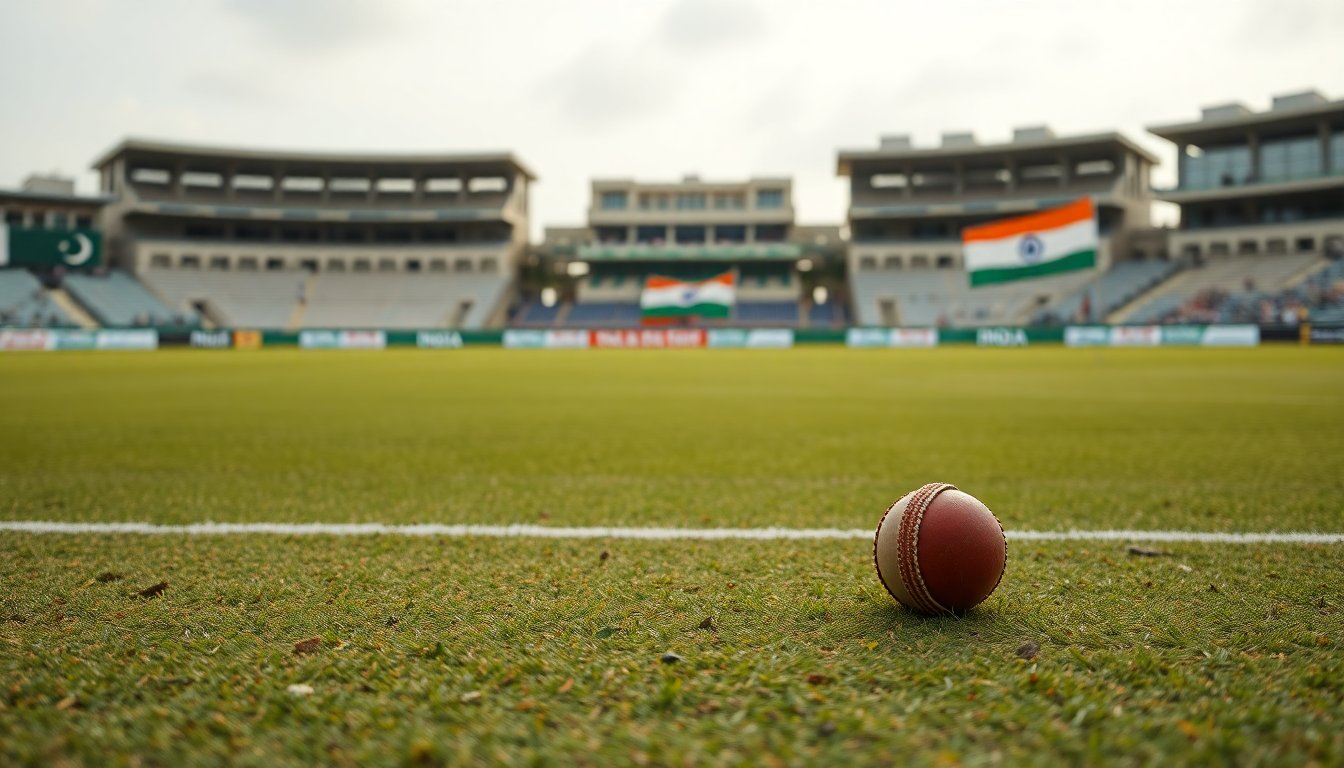
On February 15, 2026, Pakistan’s cricket team was scheduled to face India in a highly anticipated match in Sri Lanka. However, the Pakistani government declared that its team would not participate, a decision initially shrouded in ambiguity. It soon became clear that this boycott was a protest against the International Cricket Council (ICC) and the political implications surrounding Bangladesh’s recent ousting from the World Cup.
The political implications
Prime Minister Sharif emphasized in his address to government officials that this stance is about maintaining the integrity of sports. He stated, “We have taken a very clear stand that we will not play the match against India.” The crux of this decision lies in the political dynamics that have historically plagued cricketing relations between these nations. The expulsion of a Bangladeshi player from the Indian Premier League, reportedly due to political pressures, has further complicated the situation and served as a catalyst for Pakistan’s reaction.
Reactions from the cricketing community
In the wake of Pakistan’s announcement, the ICC responded, voicing concerns over the implications of such selective participation in international cricket. They highlighted that this decision undermines the essence of competition and could have lasting effects on global cricket. The ICC’s statement encapsulated the importance of unity within the sport, asserting, “This decision is not in the interest of the global game or the welfare of fans worldwide.”
Potential consequences for Pakistan
The ramifications of Pakistan’s boycott may include the forfeiture of crucial points in the tournament, sparking debates about the broader impact this decision could have on the future of cricket in the region. The Pakistan Cricket Board (PCB) is currently facing scrutiny over whether additional sanctions could be imposed as a result of this refusal to play. While the boycott signifies a strong political stance, it also poses risks to the financial viability of the tournament, which relies heavily on the draw of matches between Pakistan and India.
The historical context of cricketing relations between India and Pakistan adds further layers to this unfolding narrative. With no bilateral matches conducted since, the T20 World Cup represents one of the few opportunities for these two cricketing giants to face off. A boycott in this context cuts off a rare chance for fans to witness high-stakes cricket, showcasing star players like Shaheen Shah Afridi and India’s Abhishek Sharma.
The road ahead
This situation highlights the ongoing struggle between politics and sports, a theme that is not new in the cricketing world. As Pakistan prepares for its World Cup journey, the decision to stand in solidarity with Bangladesh sends a powerful message about the intertwined nature of these realms. While the T20 World Cup is set to commence soon, the implications of Pakistan’s boycott will resonate beyond the tournament, potentially shaping future interactions in the cricketing landscape.
As the sporting arena continues to grapple with issues of governance and representation, there is hope that cricket can eventually transcend these challenges and return to its roots as a platform for unity and competition. The upcoming matches in Sri Lanka will be closely monitored, with fans eager to see how these developments unfold.