
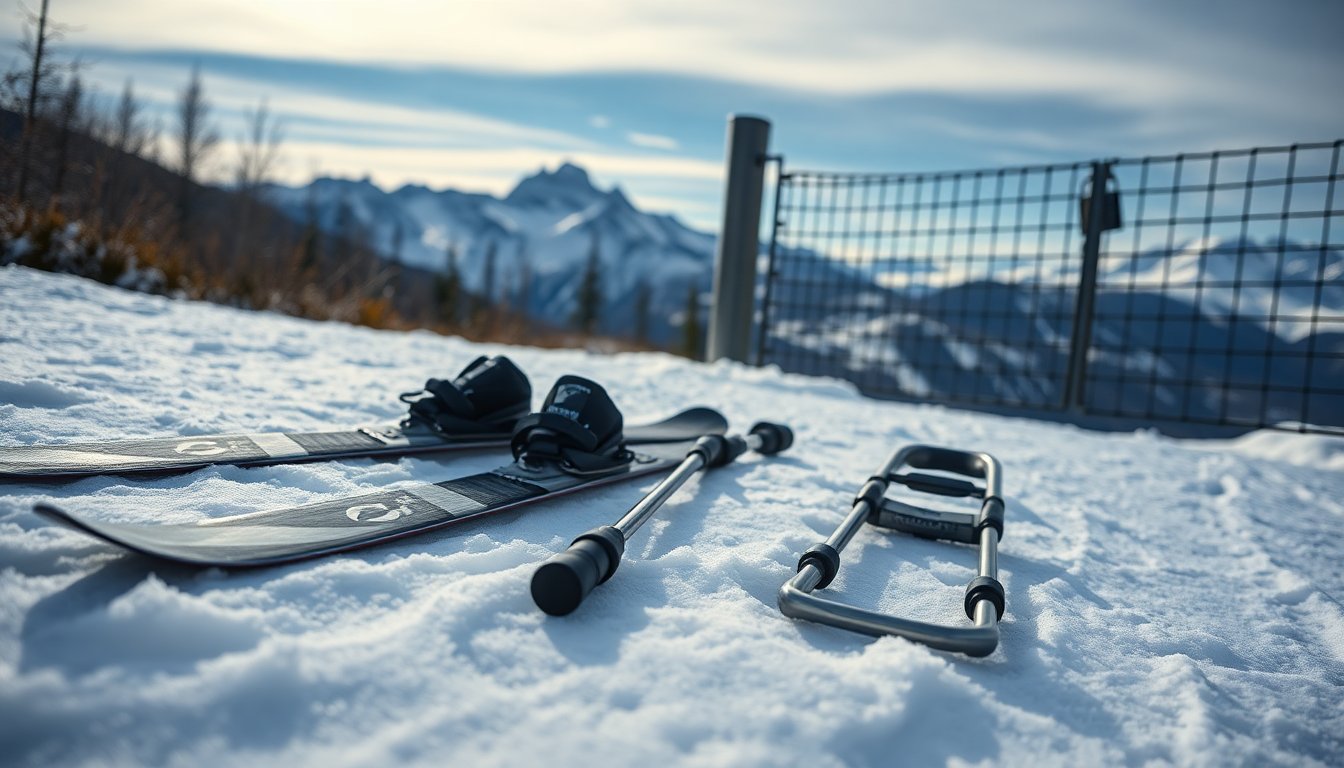
The International Paralympic Committee (IPC) confirmed on March 6, 2026, that Aboulfazl Khatibi, Iran’s para cross-country skier, will not travel to the Milano Cortina 2026 Paralympic Winter Games. The decision — announced just before the Opening Ceremony in Verona — followed the IPC’s assessment that the rapidly worsening conflict in the Middle East made travel to Italy unsafe. Organisers explored alternative routes and options but ultimately concluded the risks were too great.
What this means for Iran at the Games
Although Iran remained listed among the competing nations, its delegation did not appear in person. Volunteers had been pre-authorised to carry national flags if official flagbearers were absent for logistical or training reasons; nevertheless, organisers removed Iran’s flag from the athlete parade after the National Paralympic Committee chose not to attend. Khatibi, who previously competed at PyeongChang 2018 and had been named in pre-ceremony materials as flagbearer, was unable to be there to lead his country into the stadium.
Why the IPC blocked the travel
The IPC framed the move as a temporary safeguard in response to an evolving security situation. The committee did not release operational details of its assessment but said the decisive factor was the risk to human life. The escalation in the region — including recent military actions involving the United States and Israel and tit-for-tat hostilities with Iran — prompted both the IPC and the Milano Cortina 2026 Organising Committee to work intensively behind the scenes to seek safe passage. Despite those efforts, officials concluded on March 6 that travel could not be authorised.
A broader backdrop: record participation — and notable absences
Milano Cortina 2026 has been billed as the largest Paralympic Winter Games in history: 616 athletes from 56 nations, and a record 160 women across multiple sports. Several events reported their biggest-ever female fields — from Para alpine skiing to wheelchair curling — and five National Paralympic Committees made their Winter Games debuts. Still, Iran’s absence was a stark reminder that geopolitics can reshape even the best-attended global sporting events.
Human impact and institutional tensions
IPC president Andrew Parsons called the outcome “really disappointing for world sport and especially for Aboulfazl.” Beyond that single case, the episode exposes an awkward tension for organisers: how to expand access and celebrate inclusion while also protecting athletes and staff when outside events threaten their safety. Larger fields increase competition and opportunity, but they also raise the stakes for crisis planning and rapid decision-making.
Operational lessons and what comes next
Milano Cortina’s situation has put practical questions on the table for future Games. Organisers and national bodies will likely consider concrete measures such as:
– Establishing emergency travel corridors and pre-approved evacuation protocols for delegations in high-risk regions.
– Appointing neutral intermediaries who can negotiate safe passage when traditional diplomatic channels are compromised.
– Standardising transparent risk-communication procedures so athletes and teams receive timely, actionable guidance.
A phased operational framework was suggested: Phase 1 — rapid risk mapping and verification of contacts for accredited athletes; Phase 2 — legal and logistical agreements with neutral carriers and humanitarian partners; Phase 3 — live monitoring and a dedicated crisis desk throughout the event. A practical target proposed was confirming safe transit options for affected athletes within 72 hours of an incident. Other actionable steps include updating accreditation rules for emergency substitutions, publishing a roster of accepted neutral intermediaries, and creating an athlete-facing alert channel to reduce confusion and build trust.
The takeaway
Milano Cortina 2026 illustrates a broader trend: global sporting events are increasingly forced to balance ambition with contingency. Record participation and rising female representation mark real progress for Paralympic sport, yet the Iranian case shows how fragile that progress can be when geopolitics intrude. In the weeks ahead, the IPC, national committees and organisers will be tested on whether they can translate lessons from this episode into faster, clearer protocols that protect athletes without undermining efforts to grow the Games.
Practical status update
– The Opening Ceremony in Verona proceeded without an Iranian delegation.
– Competition continued as scheduled across Milano and Cortina, with organisers maintaining a focus on athlete safety and the integrity of the Games.
– The IPC says it will keep monitoring developments and coordinate with National Paralympic Committees and international partners to support athletes unable to reach the event.
Ultimately, the case of Aboulfazl Khatibi is more than a single absence: it’s a prompt for the Paralympic movement to sharpen contingency planning and communications so that sport can stay as inclusive and resilient as possible in an unstable world.