
Table of Contents
The Gulf region has seen a rapid and dangerous escalation in hostilities, with Iranian forces striking energy infrastructure across multiple countries. On 19/03/2026 reports confirmed attacks on major facilities, including damage to Qatar’s Ras Laffan complex, reported disruption at sites in the United Arab Emirates and Saudi Arabia, and drone strikes on Kuwaiti refineries. These strikes followed an earlier assault on Iran’s side of the shared South Pars gas field — an incident President Trump said the United States did not coordinate.
The cascade of attacks has triggered a multifaceted response: battlefield operations, diplomatic exchanges, and a high-stakes budget push in Washington. The Pentagon has asked for roughly $200 billion in additional funding to replenish munitions, sustain operations and restore readiness as the conflict surpasses several weeks since it began on Feb. 28. At the same time, Gulf producers have curtailed output, sending shockwaves through global energy markets and intensifying international concern about shipping through the Strait of Hormuz.
What unfolded across the Gulf
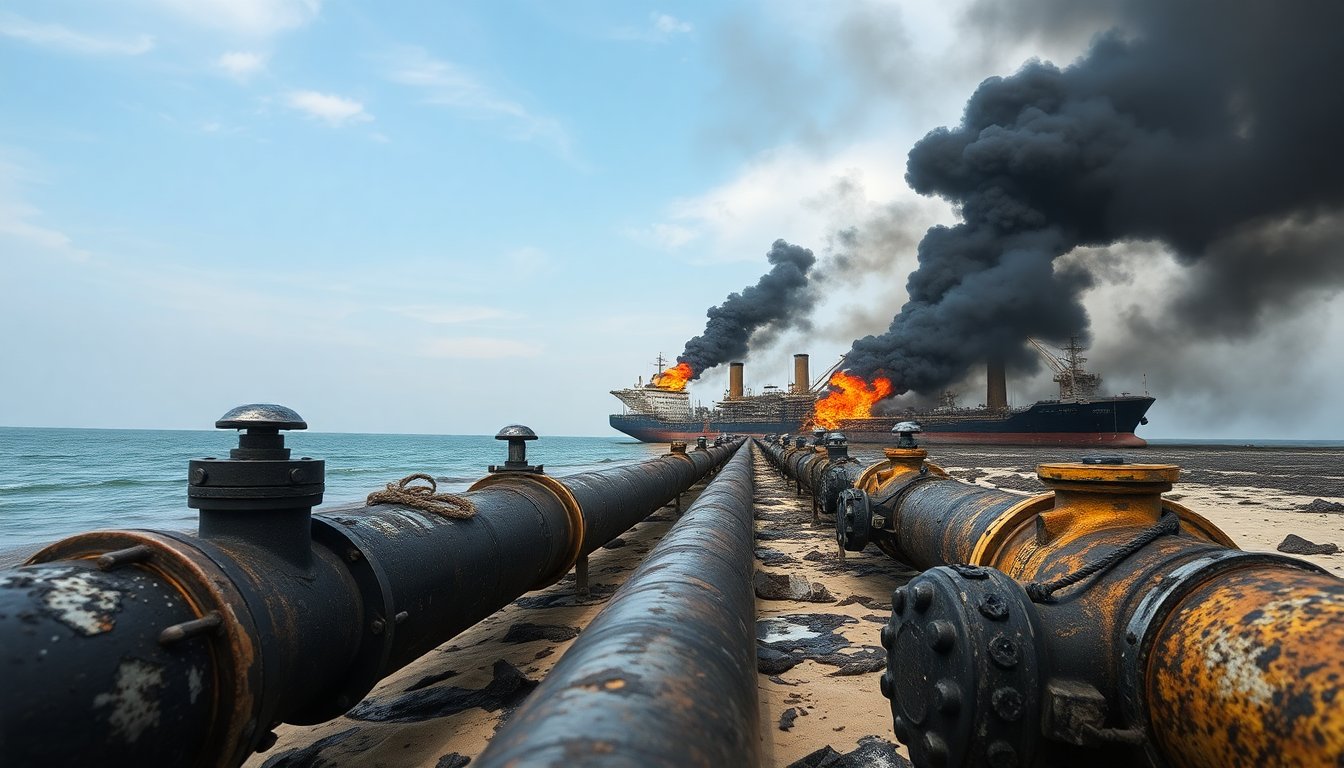
Military actions expanded beyond Iran’s borders to hit critical energy hubs. Qatar reported extensive damage at its Ras Laffan facilities after missile strikes set storage and processing units ablaze; the country temporarily halted liquefied natural gas production. The UAE confirmed attacks on the Habshan and Bab gas fields, while Saudi authorities reported a drone incident at the Samref refinery. In Kuwait several refinery units at Mina Al-Ahmadi and Mina Abdullah experienced drone-related damage. These operations targeted the backbone of the region’s exportable energy, undermining supply chains already fragile because of maritime threats and previous stoppages.
Targets and tactical significance
Energy infrastructure has tactical value beyond economics: pipelines, processing plants and export terminals can become leverage points in broader campaigns. By focusing on facilities that produce liquefied natural gas (LNG) and crude oil, attackers can quickly alter export volumes and global prices. For context, liquefied natural gas refers to natural gas cooled to a liquid state for transport, and disruptions at processing hubs like Ras Laffan directly curtail shipments that many countries rely on for heating, electricity and fertilizer feedstocks.
Washington’s military posture and funding appeal
As the conflict intensified, U.S. military officials reported extensive strikes against Iranian targets and significant maritime engagements. The Defense Department disclosed operations against thousands of targets and said naval confrontations have seen dozens of Iranian vessels damaged or sunk. Casualties among U.S. forces have occurred, including a recent refueling plane crash that claimed lives. To sustain this pace, Defense leaders asked for a supplemental budget near $200 billion, a figure described as flexible but necessary to replenish stockpiles, replace ammunition, and support allied operations across a volatile theater.
Politics and procurement realities
That funding request now faces scrutiny on Capitol Hill. Lawmakers must weigh the strategic rationale for extra spending against domestic price pressures — higher fuel costs linked to supply disruptions and war-related market volatility are already affecting consumers. Senior U.S. officials say the money would cover replenishment and contingency planning, stressing that it would be routed through Congress for approval and oversight. Critics question both the scale and the timing as the administration balances military objectives with fiscal and political constraints.
Regional reactions and economic fallout
Gulf states condemned the strikes and warned of further measures to protect sovereignty. Qatar expelled Iranian military attaches and publicly condemned attacks on its facilities as threats to regional stability. Japan’s prime minister visited Washington amid these tensions, signaling allied concern and diplomatic coordination while noting legal limits on Tokyo’s capacity to deploy warships. The attacks have already reduced LNG flows, disrupted fertilizer production and elevated global energy prices, which in turn strain consumer wallets and industrial supply chains worldwide.
Market impact and longer-term risks
Financial and commodity markets reacted immediately to facility damage and transport risks. Insurance costs for shipping through the Strait of Hormuz rose, spot prices for natural gas and crude spiked, and trading desks reassessed risk premiums on energy deliveries. Analysts warn that sustained attacks on infrastructure could reverberate beyond the region, affecting manufacturing, agriculture and heating seasons in importing countries. Policymakers are now juggling options to secure maritime routes, reassure markets and prevent further escalation.
What to watch next
Key indicators to monitor include Congressional action on the supplemental budget, movements of allied naval forces tasked with protecting commercial shipping, and diplomatic channels aimed at de-escalation. The preservation of energy infrastructure and safe passage through crucial chokepoints will shape both the immediate humanitarian and economic consequences and the broader strategic trajectory of the conflict.