
Who, what, when, where, why
– Who: Secretary of War Pete Hegseth.
– What: He forcefully denied that the United States provoked the current confrontation with Iran and vowed to end the standoff under President Trump’s leadership.
– When: March 2, 2026.
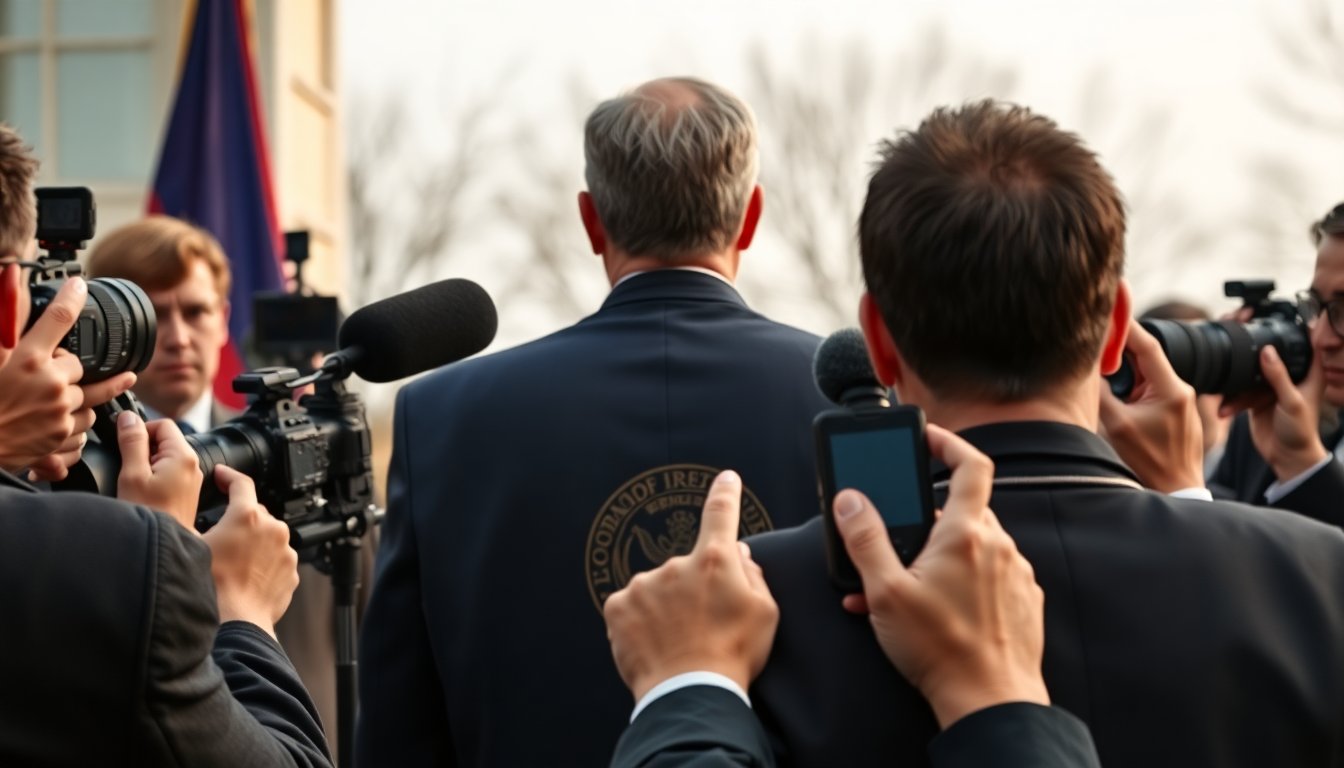
– Where: Remarks to reporters during a media appearance recorded by photographers and videographers.
– Why: Hegseth cast Tehran as the longstanding aggressor and presented the administration’s intention to resolve the dispute decisively.
The short version
Speaking to reporters on March 2, Hegseth argued that the current clash is not new but the latest phase of a decades-long campaign by Iran. “We didn’t start this war,” he said. “But under President Trump, we are finishing it.” He rejected any suggestion that Washington provoked the crisis, instead pointing to a pattern of Iranian provocations stretching back years.
What he actually said
Hegseth described Iran as an expansionist theocracy that has consistently targeted U.S. interests through proxies, hostile rhetoric and actions he portrayed as designed to inflict harm without formal declarations of war. He traced that behavior across a roughly 47-year timeline, framing recent incidents as a continuation of deliberate hostility. He positioned the current administration as committed to reversing that trend and taking decisive action to end the confrontation.
Verification and context
Reporters at the scene confirm Hegseth’s remarks were delivered during the March 2 media appearance and were widely picked up by news outlets and social feeds. At the time he spoke, Pentagon and State Department spokespeople had not yet released a joint implementation plan or detailed legal rationale for any new measures. Officials are reviewing his claims and preparing further briefings for allied capitals.
Implications and possible options
Hegseth’s language signals a shift from deterrence toward more assertive measures. That could encompass a range of options — from stepped-up sanctions and covert operations to kinetic strikes or broader military moves — although no specific timeline or authorization was announced. Policy experts warn that promises of decisive action can heighten regional tensions and complicate coalition-building; military planners must balance objectives against the risk of civilian harm and wider escalation.
Political and diplomatic fallout
Domestically, conservative media seized on the declaration as evidence of resolve, while critics warned of dangerous escalation and called for congressional scrutiny. Diplomatically, allies have requested classified briefings and are watching for clear guidance; back-channel efforts aimed at de-escalation could be constrained if Washington follows a harder line. Legal advisers note that defining what “finishing” the conflict means will shape whether new operations require fresh congressional approval or can proceed under existing authorities.
What’s next
Officials say additional briefings and legal assessments are being prepared. Allied capitals expect classified updates; U.S. agencies plan to present preliminary options to senior leaders in the coming days. The situation is fluid and will be updated as authoritative statements and corroborating details emerge. Whether that rhetoric translates into a coordinated shift in policy — and how far the administration is willing to go — remains to be seen. Further briefings from Pentagon and State Department officials are expected.