
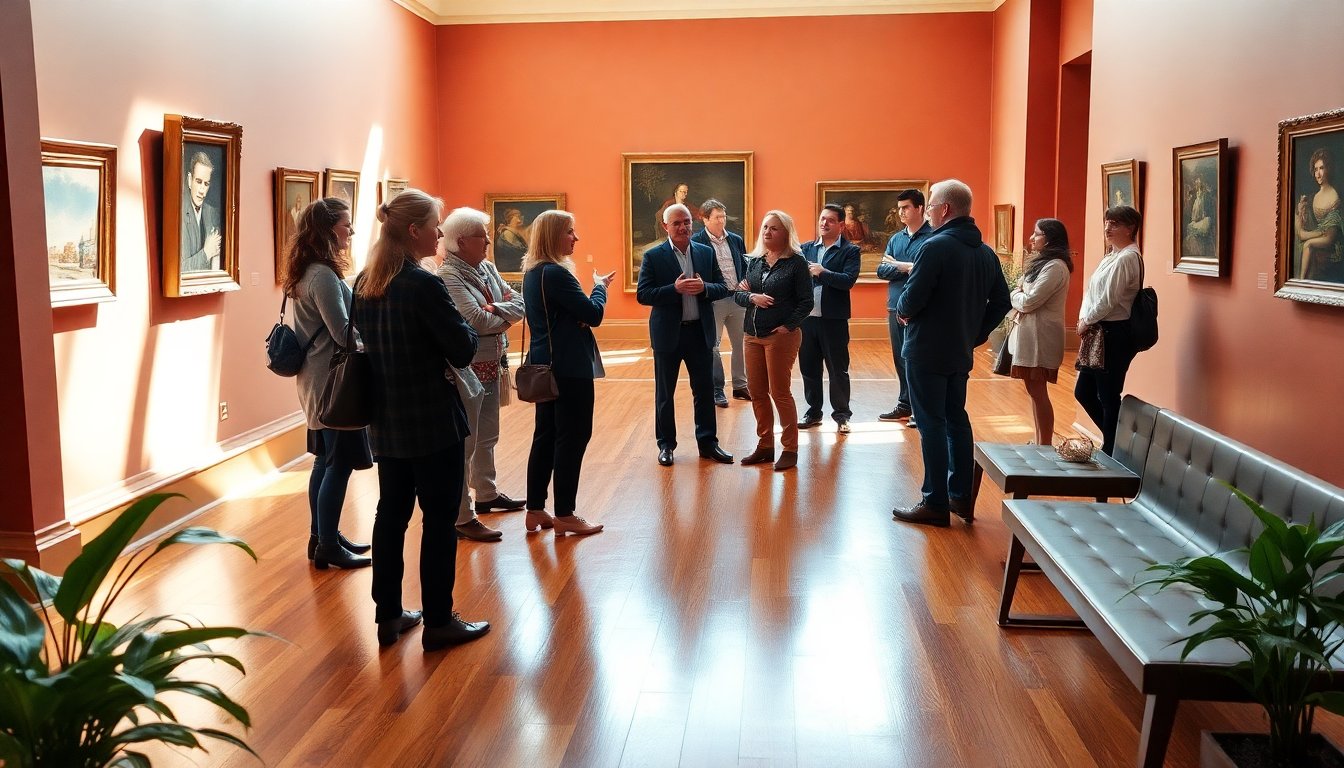
The Phillips Collection in Washington, D.C., has ignited a significant controversy with its decision to auction several iconic artworks, including Georgia O’Keeffe’s Large Dark Red Leaves on White. This painting, along with pieces by Georges Seurat and Arthur Dove, is projected to raise substantial funds aimed at supporting the museum’s future acquisitions. However, the decision has faced considerable backlash from both the public and the descendants of the museum’s founders.
On November 20, Sotheby’s will showcase these masterpieces during its auction at the newly renovated Breuer Building. The total expected revenue from this sale could reach approximately $14.8 million. The museum claims these funds will be utilized to commission new works from contemporary artists and to maintain its existing collections.
Controversy surrounding the decision
Critics of the Phillips Collection’s decision to sell certain artworks emphasize the emotional and cultural importance of these pieces. Liza Phillips, granddaughter of the museum’s founders, voiced her concerns, stating, “We treasure those pieces. They are integral to the character of the museum. They belong to the public.” This perspective resonates with many who feel that such artworks should remain available for everyone to appreciate, rather than being relegated to private collections.
Ethical implications of deaccessioning
The practice of deaccessioning, which involves selling artworks from a museum’s collection, raises significant ethical questions. Organizations such as the American Alliance of Museums acknowledge the necessity for museums to adapt financially. However, the actions taken by the Phillips Collection have ignited a heated debate. Critics contend that parting with foundational artworks undermines public trust and detracts from the museum’s core mission.
In defense of the auction, a spokesperson for the Phillips Collection emphasized that the decision followed extensive discussions with a non-governing body, which includes family members of the founders. They contend that this approach aligns with a strategic plan to modernize the museum’s offerings, reflecting Duncan Phillips’s vision for a dynamic art institution.
Financial pressures and future plans
The Phillips Collection faces significant financial challenges. Recent tax documents disclosed a net loss of $3.6 million last year. As a result, museum leadership is seeking new revenue sources. The proceeds from the auction will be directed toward an endowment designed to fund commissions from living artists and improve the care of the museum’s permanent collection.
Jonathan P. Binstock, the director of the museum, highlights the necessity of adapting to modern artistic practices. He asserts that the museum must evolve to attract new audiences, stating, “Duncan Phillips did not imagine the museum as trapped in amber.” Despite this viewpoint, concerns remain among those who value the museum’s historical legacy.
Comparisons to other institutions
Similar controversies have emerged at museums nationwide. For instance, the Baltimore Museum of Art faced backlash for attempting to sell artworks by prominent artists to finance diversity initiatives. These actions have sparked significant debate about the ethics of using deaccession funds for operational expenses.
Proponents of deaccessioning argue that evolving collections are necessary for maintaining relevance. However, opponents contend that selling significant works undermines the foundational integrity of institutions like the Phillips Collection. This ongoing debate highlights a broader national discussion regarding the future of museum collections and their responsibilities to the public.
The Phillips Collection at a crossroads
With the auction date approaching, the Phillips Collection faces a critical decision. It must balance honoring its storied past while embracing the future of art. The outcome of this auction will influence not only the museum’s financial stability but also set a precedent for how art institutions manage their collections in the future. This pivotal moment prompts reflection on the role of museums as custodians of cultural heritage and their responsibilities to the communities they serve.
The Phillips Collection is making headlines as it prepares to auction beloved artworks. This decision has sparked a lively debate about public trust, the ethics of deaccessioning, and what the future holds for art collecting. The implications of the Phillips’ actions could extend far beyond its galleries, potentially shaping the practices of museums across the nation.


