
Quick take
Pinocchio Unstrung is betting on one thing: make the puppet feel real, make it gross, and let fans do the rest. It’s a low-budget horror riff on a public‑domain classic that leans hard into practical animatronics, a cast with horror cred, and marketing aimed at niche fandoms rather than family audiences. That mix makes it the kind of film that can underperform in wide release yet thrive on streaming, festival buzz, and cult followings.
Why this matters
Studios and indie producers keep circling public‑domain stories because they cut down promotional friction — people already know the name. But mainstream awareness only goes so far. For films like this, the play is narrower: capture the horror crowd with bold, visceral visuals and recognizable genre names, then convert that energy into VOD deals, international sales, merch, and repeat streaming views.
What the trailer signals
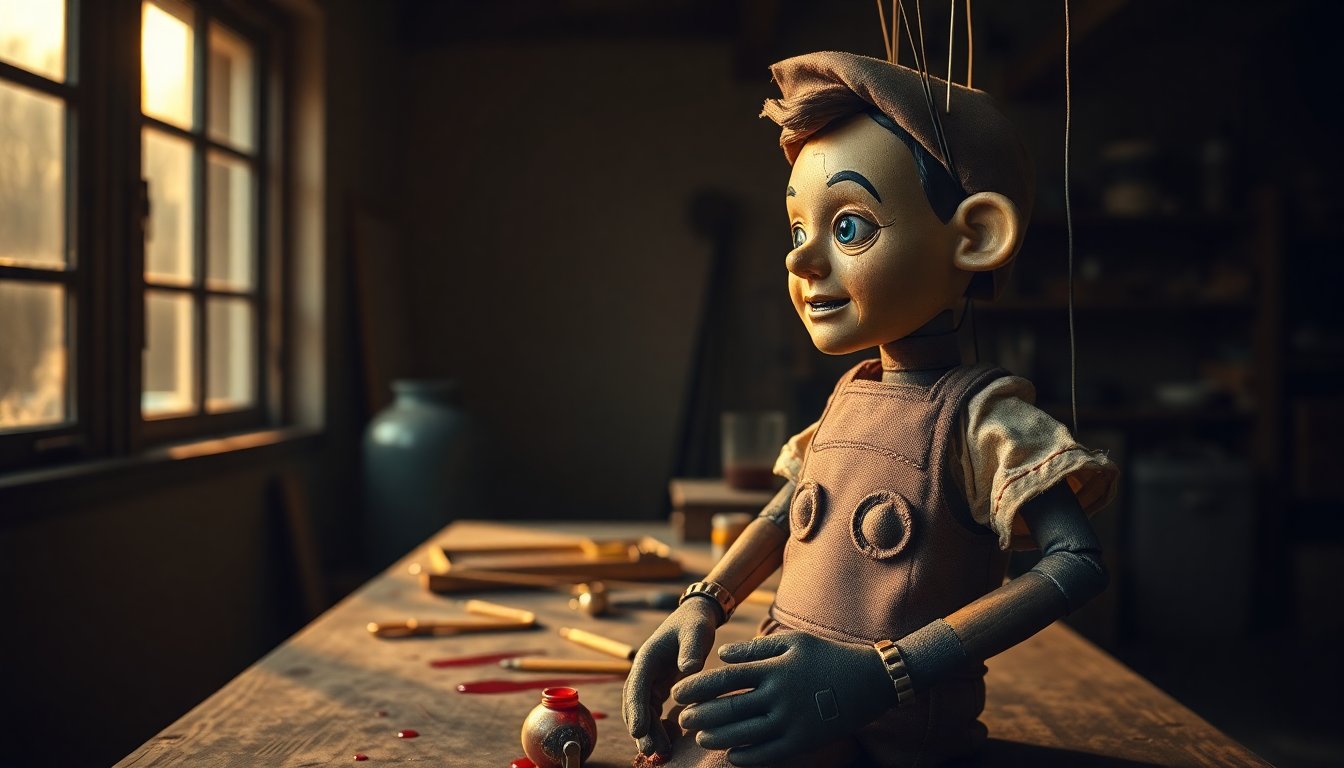
The trailer dropped the friendly Pinocchio vibes. Instead it showcases close‑up practical effects and a mentor figure that reads as menacing, not moral. That’s a deliberate signal: this isn’t for kids. On social platforms and in specialist horror press, the trailer’s practical‑effects footage has already been the main talking point — the kind of behind‑the‑scenes clips that spark shares and conversation among younger viewers.
The numbers (short version)
Public, line‑by‑line metrics are limited, but the pattern is clear from comparable films: modest theatrical take, strong early social engagement, then the real money in ancillary windows. Low production spend + big trailer buzz = outsized ROI potential, provided the film nails festival showings and streaming deals.
Risks and upside
– Risks: franchise fatigue, negative critical reaction, and backlash over gruesome twists on a childhood icon. Those can shrink distribution options or limit audience reach. – Upside: fierce word‑of‑mouth in horror communities, collectors’ interest in practical effects, and better licensing leverage if genre festivals respond well. Casting familiar horror names helps discovery in crowded catalogs.
Production highlights that matter
The project prioritizes practical craftsmanship over CGI. That means longer workshop time, more crew who know animatronics, and tighter on‑set schedules to rehearse mechanical effects. The team name‑drops matter: Richard Brake on screen, Todd Masters supervising effects, Robert Englund voicing a perverse Jiminy Cricket. Those credits aren’t just bragging rights — they’re direct cues to core fans about tone and intent.
Distribution strategy
ITN Distribution handles the global rollout, with Premiere Entertainment Group on sales. The current plan leans festival-first, then targeted theatrical plays and platform windows arranged to protect theatrical yield before streaming. That’s a common, sensible route for this lane: use festivals to sharpen licensing offers, then monetize across territories and formats.
How it fits the “Twisted Childhood Universe”
Pinocchio Unstrung slots into the same trend that birthed films like Winnie‑the‑Pooh: Blood and Honey, Peter Pan’s Neverland Nightmare, and Bambi: The Reckoning. These titles trade broad family appeal for brand recognition plus shock value. The business case is consistent: low cost, quick marketing cycles, and revenue concentrated in VOD, digital licensing, and merch rather than long box‑office legs.
Audience and performance patterns
Comparable titles are front‑loaded at the box office and find longevity on streaming and in fandom circles. Young viewers — especially those who value shareable, TikTok‑friendly moments — drive a lot of the early momentum. If the film delivers the promised practical brutality and the community eats it up, licensing terms and ancillary revenue can outperform initial theatrical numbers.
Practical effects = marketable asset
Showing how things were built really moves the needle with genre audiences. Practical creature features often get more festival attention per screen and make better sales fodder for specialty distributors. That upsides merchandising potential (props, replicas, limited editions) and gives festivals a tangible reason to program the film.
Why this matters
Studios and indie producers keep circling public‑domain stories because they cut down promotional friction — people already know the name. But mainstream awareness only goes so far. For films like this, the play is narrower: capture the horror crowd with bold, visceral visuals and recognizable genre names, then convert that energy into VOD deals, international sales, merch, and repeat streaming views.0