
Table of Contents
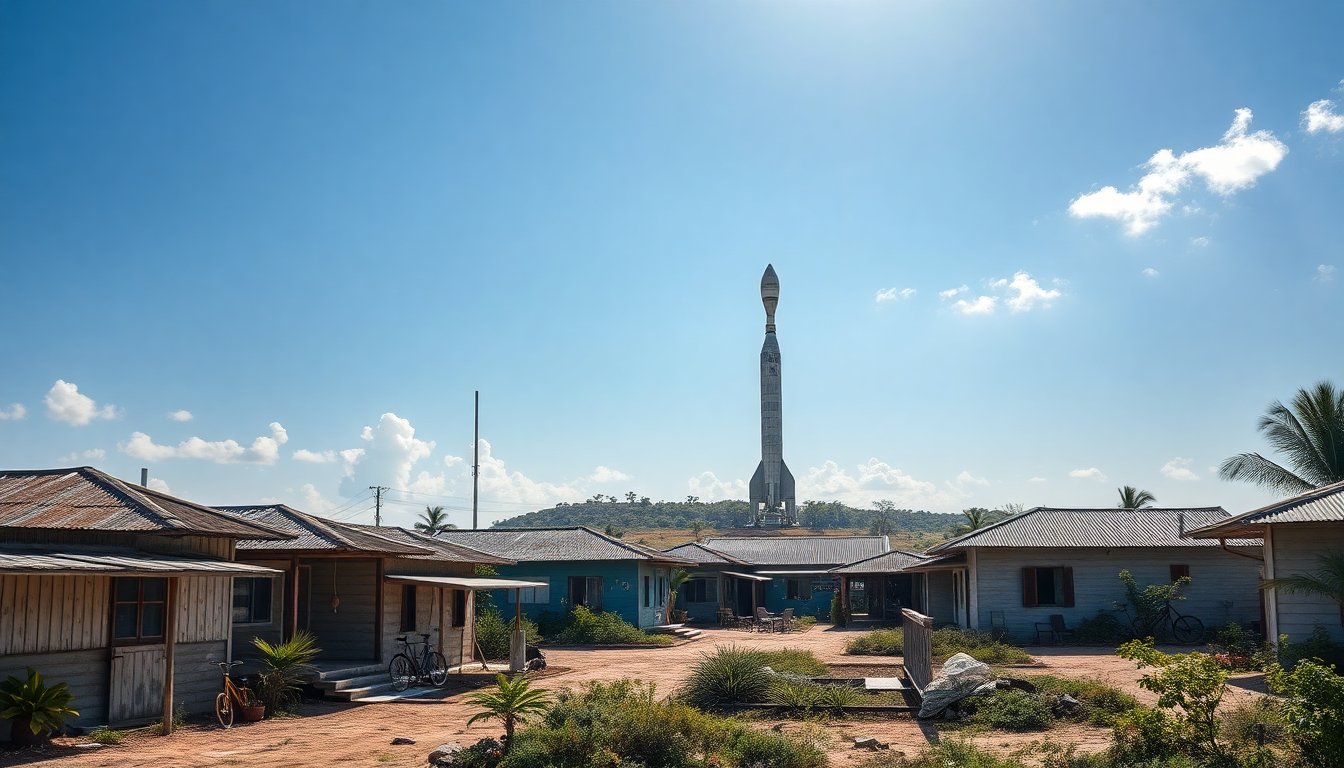
The ongoing space race between global powers extends beyond rockets and satellites; it significantly impacts local communities, as illustrated by Playa Bagdad, a village in Mexico. Located near a SpaceX launchpad, this community faces the realities of ambitious space exploration projects led by figures like Elon Musk and political leaders such as Donald Trump.
The clash between technological advancement and its effects on daily life reveals a complex narrative. While the pursuit of space exploration promises progress, it often neglects the consequences for residents in affected areas. Playa Bagdad’s situation emphasizes the importance of considering the human aspect in this grand technological endeavor.
Environmental and social impacts
As the space race accelerates, Playa Bagdad’s residents confront significant environmental and social challenges. The proximity to the SpaceX launchpad introduces complications, including noise pollution, potential ecological damage, and disruption of the community’s way of life. Once a peaceful area connected to nature, Playa Bagdad now grapples with the impacts of increasing commercial activity.
Noise and disruption
The sound of rocket launches serves as a constant reminder of technological progress, but for villagers, noise pollution poses a genuine threat to daily life and mental well-being. Research indicates that chronic exposure to high noise levels can lead to increased stress and reduced quality of life. Residents voice their frustrations, noting that the excitement of the space race feels distant from their daily struggles.
Ecological concerns
In addition to noise, the environmental consequences of launchpad operations are concerning. The risk of chemical spills, habitat destruction, and increased traffic threatens local wildlife and natural resources. As villagers witness rockets ascending into the sky, they remain apprehensive about the implications for their land. The balance between innovation and preservation grows increasingly delicate, leading to despair among residents.
The broader context of the space race
Examining Playa Bagdad’s situation provides insight into the geopolitical dimensions of the current space race. The competitive landscape between superpowers, particularly the United States and China, has reignited interest in lunar exploration and beyond. This race transcends mere celestial ambitions; it embodies technological superiority and national pride.
Historically, events like the launch of Sputnik in 1957 galvanized nations into action, igniting a fervor for advancement. In 2026, the stakes are elevated, with both the U.S. and China striving for leadership in space. As President Trump advocates for renewed lunar missions, the consequences for communities like Playa Bagdad often remain overlooked. The promise of progress must be balanced against the impact on local populations.
Future missions and expectations
As the year progresses, missions such as Artemis II aim to expand humanity’s reach into space. However, these ambitious endeavors carry the responsibility of addressing their effects on those living on Earth. Upcoming missions not only signify milestones in scientific exploration but also underscore the human costs associated with these efforts.
Global responsibility in space exploration
The plight of Playa Bagdad highlights the necessity for a more inclusive dialogue regarding the future of space exploration. As technology pushes us toward the final frontier, it is crucial not to overlook the communities that bear the brunt of our ambitions. The quest for knowledge and advancement should not come at the expense of local populations. A paradigm shift is essential, prioritizing ethical considerations alongside scientific progress.
The residents of Playa Bagdad exemplify the broader challenges faced by communities situated near significant technological developments. As the world gazes at the stars, it is vital to ensure that the voices of those on the ground are acknowledged and valued. Only then can we aspire to create a future where progress does not overshadow humanity’s needs.