
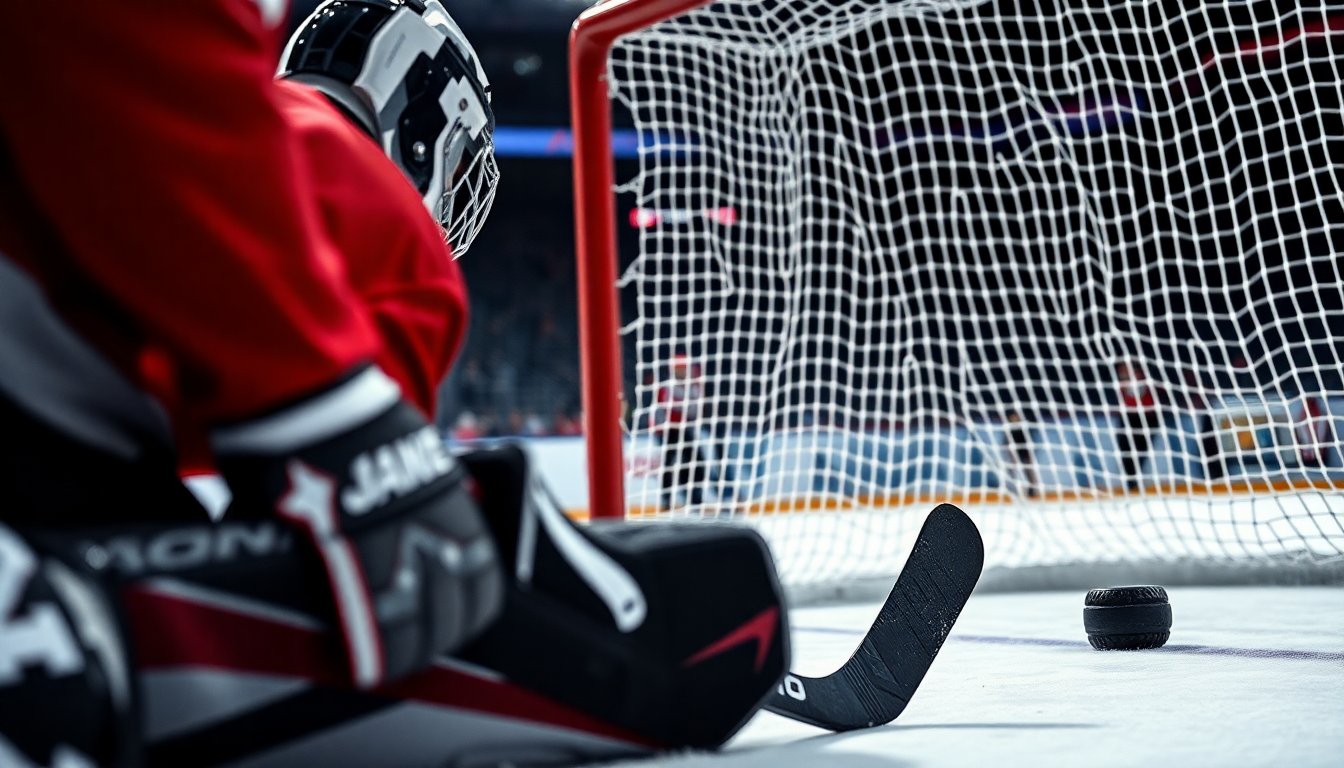
Feb. 19, 2026 — The Olympic women’s hockey final at the Arctic Arena ended in a heartbreakingly small margin: the United States edged Canada 2-1 in overtime. Canada held a 1-0 lead for the better part of the game, but late pressure and a sudden-death finish flipped the script and handed the Americans gold.
A late equalizer in the third period forced extra time, and four minutes into overtime U.S. defenseman Megan Keller finished a sustained zone attack to settle the contest. The goal capped a comeback built on relentless forechecking, sharp puck movement and a willingness to gamble in the offensive end. For Canada, the loss felt less like collapse than the cruel arithmetic of elite sport — one turnover, one missed read, one puck finding a net.
Key moments and flow
Canada struck first and defended the lead with structure and discipline for long stretches. They clogged passing lanes and relied on compact support around their net, daring the U.S. to create danger through hard work and traffic in front. The Americans answered with increasingly aggressive tactics as the clock wound down: heavier forechecking, tighter gaps through the neutral zone and more purposeful attacking shifts that produced high-danger chances.
That pressure paid off late in the third, when Canada’s advantage evaporated and the teams went to sudden death. In overtime the Americans layered their attack, cycling the puck and forcing Canada to chase — Keller’s decisive finish emerged from that sustained pressure and quick puck circulation.
Marie-Philip Poulin: leader on and off the scoresheet
Marie-Philip Poulin remained the central figure in Canada’s narrative. She logged heavy minutes — 29 shifts — and wore the captain’s responsibility visibly. Even without burying the game-winner, her reads and positioning shaped how opponents defended, often drawing two players and opening space for linemates. Coaches repeatedly sent her out in high-leverage moments; teammates looked to her for direction during tense stretches.
Poulin has battled injuries this tournament, yet her presence never felt diminished. She organized the play with calm urgency, directing teammates and stepping into lanes when Canada needed stability. Those instincts—anticipation, spatial awareness, timing—have been the throughline of her career. Whether this was her last Olympic game is still unknown, but if it is, it was emblematic of what she has contributed: more than goals, a blueprint for how to lead.
Tactics and adjustments
Both coaches showed their hands late. The U.S. leaned into activation from the back end and sustained cycling in the offensive zone to wear down Canadian support. Canada answered with tight defensive support, quick breakouts and an emphasis on transition speed to catch the U.S. off balance. Those chess moves shaped the game’s final minutes; when the U.S. finally found the seam, they struck.
Special teams and personnel choices weren’t flashy but they mattered. Line matchups shifted as each bench tried to neutralize the other’s top threats; minute management became a game within the game. Small tactical swings — a delayed pinch, an extra forward at the blue line, a risk on a neutral-zone interception — added up and shaped the decisive sequence.
The human side
Beyond strategy, the matchup had intimate, human moments that lingered. Poulin and her teammates went through the quiet rituals that bond a team: the last-minute puck drills, the collected rituals behind the bench, the visible, mutual trust. On the ice, those routines translated into coordinated coverage and instinctive reads; off it, they were gestures of solidarity in a fragile instant.
After the final whistle the scene was layered: disappointment and pride tangled together. Poulin accepted her silver with the composed demeanor that has marked her career — a private disappointment wrapped in visible respect for her teammates’ work. Across the handshake line, embraces between captains and players from both sides felt less like consolation and more like recognition of what they have built for the game.
A late equalizer in the third period forced extra time, and four minutes into overtime U.S. defenseman Megan Keller finished a sustained zone attack to settle the contest. The goal capped a comeback built on relentless forechecking, sharp puck movement and a willingness to gamble in the offensive end. For Canada, the loss felt less like collapse than the cruel arithmetic of elite sport — one turnover, one missed read, one puck finding a net.0
A late equalizer in the third period forced extra time, and four minutes into overtime U.S. defenseman Megan Keller finished a sustained zone attack to settle the contest. The goal capped a comeback built on relentless forechecking, sharp puck movement and a willingness to gamble in the offensive end. For Canada, the loss felt less like collapse than the cruel arithmetic of elite sport — one turnover, one missed read, one puck finding a net.1