
Table of Contents
How to build a mindful and sustainable lifestyle that lasts
Sustainable living is no longer a niche aspiration. It is a practical framework for daily decisions that shape wardrobes, homes and wellbeing. This guide maps concrete steps to make those choices durable and realistic. It draws on trend analysis and real-world constraints to offer actionable advice on capsule wardrobes, home routines and slow-consumer habits. The aim is habits that feel personal rather than prescriptive, and that can be maintained beyond short-lived enthusiasm.
The trending moment
Interest in sustainable daily practices has broadened across age groups. Industry observers note growing demand for durable goods, repair services and transparent supply chains. Those in fashion know resale markets and minimalist wardrobes have gained market share as consumers seek value and reduced waste. In the beauty world, it’s known that refill systems and ingredient transparency drive purchasing choices. These shifts reflect economic, environmental and social pressures that make sustainability both a lifestyle preference and a practical response to limited resources.
Expert insights
Industry experts confirm that lasting behaviour change depends on small, repeatable actions. Habit formation research points to clear cues, simplified choices and visible rewards. For sustainable living, this translates into routines such as regular clothing edits, standardised repair checks and defined donation cycles. Brands that succeed combine product longevity with straightforward care instructions. The trend that’s taking over is less about perfection and more about consistent, measurable reductions in consumption.
How to start
Begin by auditing current routines and possessions. List items used weekly and review quality, repairability and joy of use. Prioritise high-impact changes: replace single-use items with durable alternatives, set a three-month pause before discretionary purchases, and establish a basic repair kit. A simple capsule wardrobe can reduce decision fatigue and slow consumption. The most innovative brands focus on clear care labels, repair services and modular designs that extend product life.
choose a capsule wardrobe that reflects your life
Following the most innovative brands focus on clear care labels, repair services and modular designs that extend product life, building a capsule wardrobe becomes a practical act. Start with a calm, honest audit of what you own. If an item has sat unused for a year, question its role. Select garments that move between school, part-time jobs and weekend plans. Aim for a compact set of reliable pieces that lower daily choices and limit waste.
expert insights on selection and sizing
Industry experts confirm that fit matters more than trend cycles. Prioritize tailoring and proportions that suit your routine. Choose a limited palette of neutrals to make mixing effortless. Add three statement pieces to express personality on special days. Those in fashion know that investing in slightly higher-quality staples pays off over seasons. Keep care instructions accessible and schedule simple repairs promptly to extend wear.
practical steps to curate your capsule
Begin with categories: tops, bottoms, outerwear, shoes and accessories. Set a realistic target of 20–30 items, excluding underwear and activewear. Try each piece on and photograph outfits to test combinations. Rotate items for at least one month before deciding to discard. Embrace mending, swapping with friends or choosing secondhand alternatives. The trend that’s taking over is thoughtful restraint rather than accumulation.
how to keep it fresh without buying more
Use accessories, layering and seasonal textiles to refresh looks. Learn quick repair basics such as sewing a button or fixing a hem. In the beauty world, it’s known that small updates—new laces, a scarf or different jewelry—change perception without new production. Industry experts confirm that a steady maintenance practice reduces turnover and supports sustainability.
Next step: set a three-month upkeep plan. Track wear, note gaps and plan one intentional purchase that fills a real need rather than a fleeting desire. This approach preserves style, supports sustainable habits and aligns wardrobe choices with daily life.
Design daily rituals that conserve time and energy
Building on practices that preserve style and align wardrobe choices with daily life, simple daily rituals make sustainable dressing manageable. The trend that’s taking over pairs a small set of repeatable actions with a curated capsule wardrobe. These actions shrink decision fatigue, reduce waste and limit impulse purchases. Adopt a short, intentional sequence each morning and evening. A five-minute tidy, a pre-set outfit or a weekly meal plan does more than save minutes. Over weeks, these micro-choices accumulate into measurable resilience.
expert insights on small habits
Industry experts confirm that habit design matters more than willpower. Behavioral researchers highlight the power of cues, immediate rewards and consistency. Those in fashion know that visible systems—such as an outfit rail for the week or a labeled drawer—serve as persistent cues. Use a single physical checklist or a simple app to track actions. Keep the practice intentional and flexible. If a ritual feels punitive, it will not stick. Aim for rituals that protect mental energy while supporting sustainability.
how to make rituals stick
Start with one micro-habit and scale gradually. Pair a new ritual with an existing routine, like doing a five-minute declutter after brushing your teeth. Emphasize small wins: fewer laundry cycles, fewer returns, less time deciding. Use visual cues and set a gentle reminder, but avoid rigid schedules. Rotate rituals seasonally to match lifestyle changes. The most innovative brands focus on designs that fit these rhythms, from easy-care fabrics to modular pieces that simplify choices over time.
Practical next steps include choosing one two-minute ritual this week and tracking it for ten days. Expect gradual gains in time, clarity and reduced consumption as habits compound. Industry observers predict these micro-practices will shape sustainable dressing trends through everyday practicality.
Make your home a low-impact sanctuary
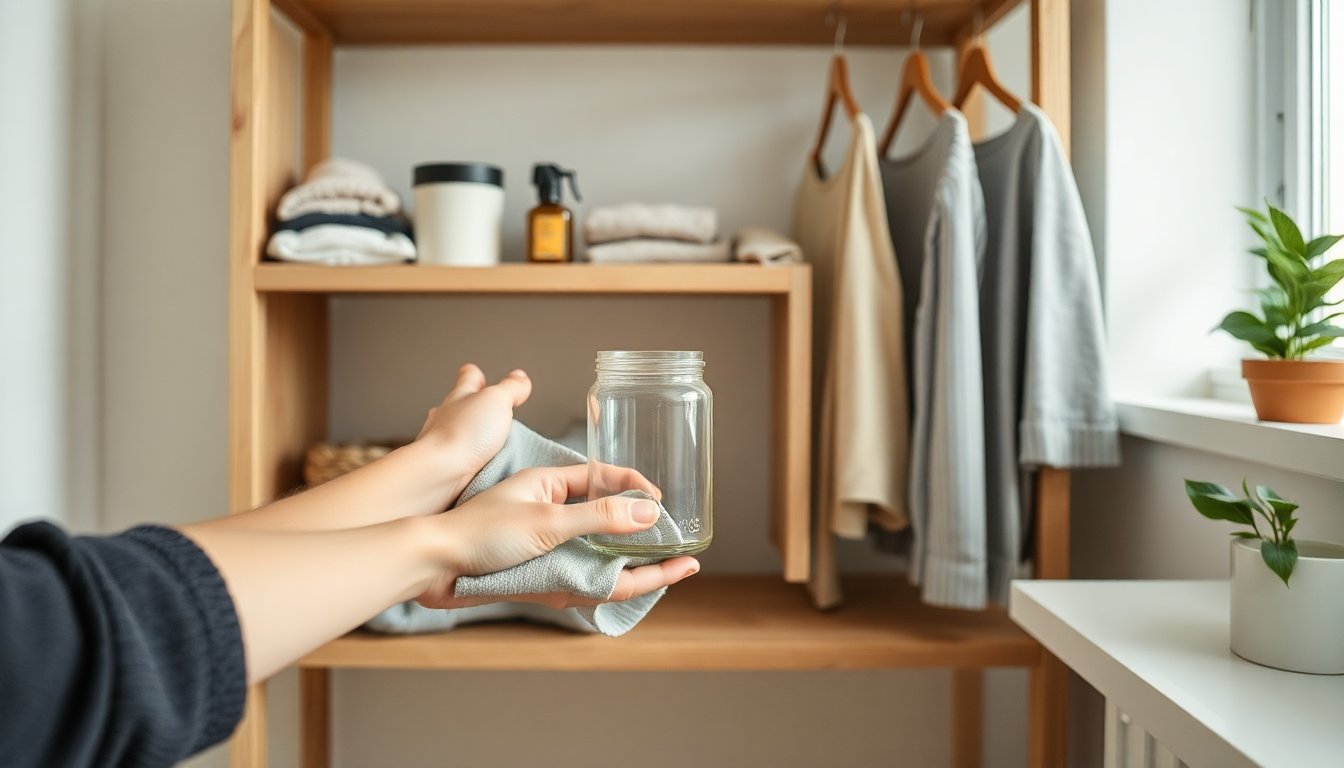
Building on daily rituals that conserve time and energy, turn domestic choices into measurable climate actions. Small adjustments at home yield clear benefits for waste reduction and resource efficiency. Industry experts confirm that swapping single-use cleaners for refillable concentrates cuts plastic waste and often lowers long-term costs. Sustainable living at home favors durability and repair over disposable trends. Those in fashion know the value of a classic coat; apply the same principle to furniture and household goods.
Prioritize natural materials with documented longevity. Choose wooden or metal pieces designed for easy maintenance. Embrace multitasking furniture that reduces the need for multiple items without sacrificing function. Repair and maintenance extend product life and keep consumption steady rather than episodic.
Use visible cues to maintain habits. Designate refill stations for cleaning concentrates. Keep a repair kit in a central place. These small structural changes make low-impact choices automatic rather than aspirational.
Shift consumption with practical rules
Replace impulse with intention through simple, enforceable rules. Adopt a 48-hour pause before nonessential purchases to test need versus want. Implement a one-in-one-out policy for clothing to prevent wardrobe bloat. Those in fashion know a deliberate closet often leads to clearer personal style and less waste.
Community resources amplify impact. Repair cafés, clothing swaps, and library services extend product life cycles and strengthen local networks. Industry experts confirm that sharing infrastructure reduces individual cost and environmental footprint.
Make secondhand shopping tactical rather than incidental. Allocate a modest monthly credit for curated secondhand finds. Track outcomes so rules become data-driven rather than punitive. The trend that’s taking over is intentional consumption framed as design, not deprivation.
As sustainable dressing evolves, these household and consumption rules provide practical scaffolding. Expect micro-practices to persist because they save money, time, and materials while shaping long-term habits.
Measure progress, not perfection
Expect micro-practices to persist because they save money, time, and materials while shaping long-term habits. Track modest gains with simple, repeatable methods. Keep a monthly note, a before-and-after photo, or a tally of avoided purchases. Those small data points reveal patterns that spreadsheets often miss. Industry experts confirm that visible progress reinforces behavior more effectively than lofty ideals. In the beauty world, it’s known that visible change encourages commitment. Treat setbacks as learning moments and adjust systems rather than abandoning them.
how to track small wins
Start with measurable, low-effort indicators. Count garments not purchased, document meals saved from the bin, or log reduced kilowatt-hours from a single habit change. Use a phone folder, a simple app, or a journal kept beside the wardrobe. The trend that’s taking over is micro-reporting: short, consistent entries that create cumulative insight. Those in fashion know that a capsule wardrobe yields clearer choices; recording its impact turns theory into practice. Celebrate adaptations briefly and move on—ritualized recognition cements change.
expert insights and practical tips
Industry experts recommend focusing on systems over perfection. Set a single, testable goal for 30 days, then evaluate with your simple data. If a method fails, ask why and iterate quickly. The most innovative brands focus on transparency and durability; mirror that by prioritizing fewer, better items. Adopt what fits your life and values. Expect priorities to shift with seasons and circumstances, and let tracking guide those refinements.
the trend that’s taking over small changes for big impact
Expect priorities to shift with seasons and circumstances, and let tracking guide those refinements. For Gen Z readers aiming for sustainable routines, a targeted start delivers results fast. Begin with a single area—closet, kitchen or schedule—and apply the 80/20 rule. Focused changes in one zone often produce the largest gains. Industry experts confirm that small, strategic edits cut decision fatigue and create visible momentum. The approach is practical. It is measurable. It preserves energy for areas that matter most.
expert insights: why start with one area
Those in fashion and lifestyle know that concentrated effort beats wide, shallow attempts. By concentrating on a single domain, you limit friction and increase follow-through. The most innovative brands focus on core habits before scaling programs, and the same logic applies to daily life. Start with the place that frustrates you most or wastes the most time or money. Track one or two simple metrics. Use a habit log or a weekly check-in. Small data points reveal meaningful trends. This method aligns with earlier advice to measure progress, not perfection, and it preserves momentum for long-term adoption.
how to start: practical steps for Gen Z
Pick one target this week and set one clear objective. If it is a closet, donate five items and plan three capsule outfits. If it is a kitchen, map three go-to meals and consolidate storage. If it is your schedule, block three recurring focus slots and protect them. Apply the 80/20 principle: identify the 20 percent of actions that deliver 80 percent of the benefit. Document changes and review after two weeks. Adjust based on what the tracking shows. In the beauty world, it’s known that incremental swaps become sustainable habits when they fit daily life. Industry experts confirm that visible wins increase motivation and reduce abandonment.
what comes next
After you secure one win, scale gradually. Add a second area only when the first routine feels stable. Keep tracking modest gains and refine priorities with the evidence you collect. The trend that’s taking over sustainable living is not perfectionism but consistent, focused action. Practical, repeatable steps create durable change and save resources in the long run.