
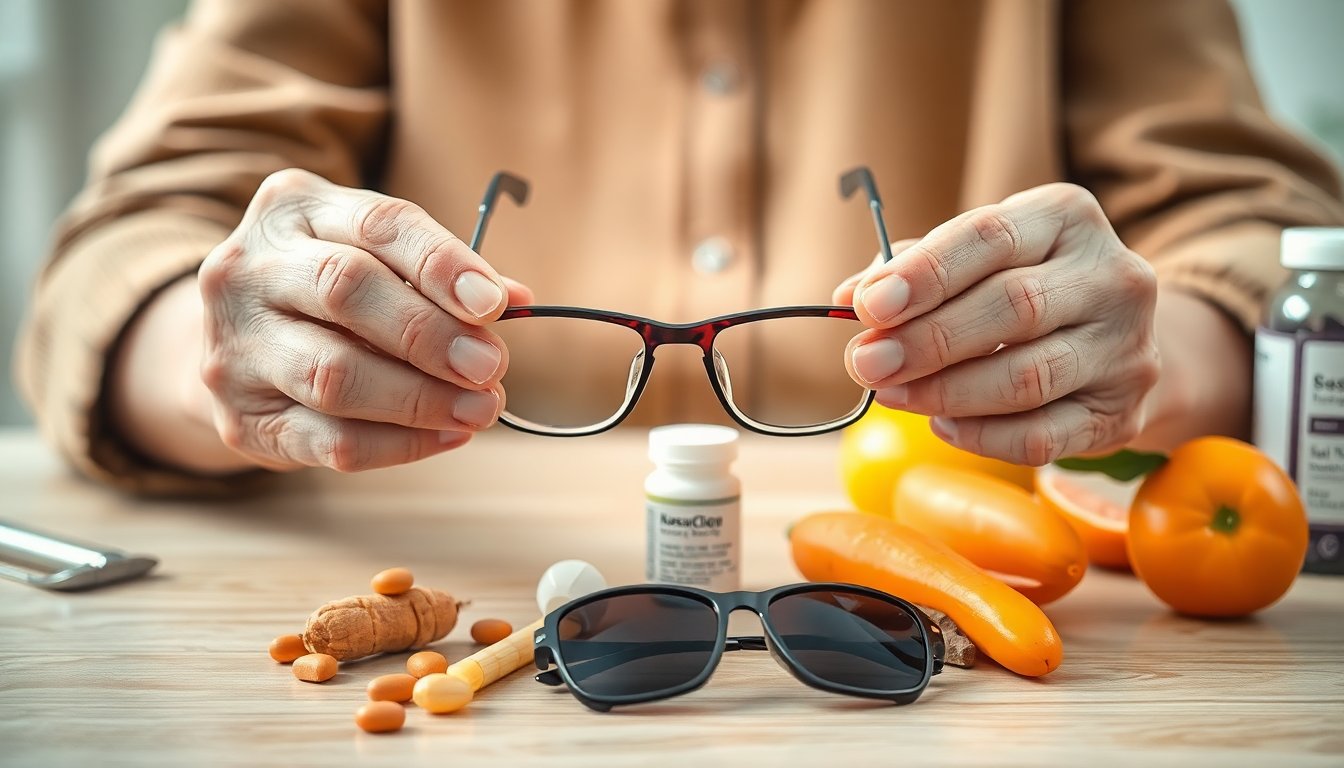
Who this is for
– Older adults, their families and caregivers, and eye-care providers seeking clear, practical steps to protect central vision.
Why this matters
Age-related macular degeneration (AMD) is a leading cause of central vision loss. It can make reading, recognizing faces, and driving difficult or impossible. While advanced AMD isn’t curable, early detection and sensible lifestyle choices can slow progression and preserve independence.
Five practical steps to reduce risk or slow progression
1) Stop smoking and limit oxidative stress
– Why: Smoking is one of the strongest modifiable risk factors for AMD. Toxins in tobacco increase oxidative stress in the retina and speed progression toward advanced disease.
– What to do: Quit tobacco — the sooner, the better. Avoid excessive UV exposure (use sunglasses with UV protection) and reduce exposure to air pollution where possible.
– Tip: If quitting seems overwhelming, ask your clinician about cessation programs, nicotine-replacement options, or prescription aids. Over years, former smokers’ risk can move closer to that of never-smokers.
2) Choose a vision-friendly diet
– Why: Diet affects inflammation, vascular health and the nutrients available to the retina. Patterns rich in whole foods are linked to better ocular outcomes.
– What to eat: Aim for a Mediterranean-style pattern — plenty of leafy greens and other vegetables, fruits, whole grains, legumes, lean proteins, and healthy fats (olive oil, avocados). Include oily fish (like salmon or mackerel) a couple of times a week for omega-3s.
– Practical swaps: Replace chips and candy with fruit or nuts; choose water or unsweetened tea instead of sugary drinks; pick whole-grain breads and rice over refined versions; grill, roast or steam foods rather than deep-fry.
– How to start: Make one small swap each week and build from there. These changes help both general health and retinal resilience.
3) Consider evidence-based supplements when appropriate
– Why: For some people with specific stages of AMD, supplements based on clinical trials can slow progression.
– What clinicians currently recommend: The AREDS2 formulation (as tested in large clinical trials) is advised for patients with intermediate AMD or certain advanced signs in one eye. Avoid older formulas that contain beta-carotene if you are a current or former smoker — beta-carotene has been linked to increased lung-cancer risk in that group.
– How to proceed: Discuss supplements with your ophthalmologist or primary care provider before starting. They can confirm whether you fit the criteria for AREDS2, check for interactions with other medications, and suggest reputable brands with verified ingredient levels and third‑party testing.
– Remember: Supplements are intended to complement — not replace — a healthy diet and regular eye care.
4) Stay physically active
– Why: Regular exercise reduces systemic inflammation and supports cardiovascular health, both of which influence retinal health and disease progression.
– What to do: Combine aerobic activity (walking, cycling, swimming) with strength and balance exercises. Strength and balance work becomes especially important if vision begins to decline, because it lowers fall risk.
– How much: Follow general activity guidelines (for most adults, at least 150 minutes of moderate aerobic activity per week plus muscle-strengthening sessions on two or more days), but tailor to your ability and medical conditions. Check with your clinician if you have health concerns.
5) Get regular, targeted eye exams
– Why: AMD often progresses silently until vision is already affected. Early detection is the best way to preserve central vision and access treatments when they can help most.
– What to expect: Comprehensive exams include retinal imaging and functional tests that can detect subtle macular changes before symptoms arise.
– Who should be monitored: People over 50, anyone with a family history of AMD, and those with other risk factors should discuss a personalized surveillance schedule with an eye specialist.
– Practical steps: Ask your eye doctor about how often to return, what warning signs warrant an immediate visit (sudden blurring, distortion, dark spots), and whether home monitoring (e.g., an Amsler grid or smartphone-based tools) is appropriate.
Putting it together — a simple action plan
– Quit smoking and protect your eyes from UV/light exposure.
– Shift your plate toward whole, nutrient-dense foods and limit processed sugars and refined carbs.
– Talk to your eye doctor about AREDS2 supplements only if you have the retinal findings that benefit from them.
– Keep moving: prioritize aerobic, strength and balance activities.
– Schedule regular retinal checks and ask for a follow-up plan that matches your risk.
Final note
Age and genetics can’t be changed, but lifestyle choices and timely medical care make a real difference in how AMD unfolds. Work with your clinician to create a monitoring and prevention plan that fits your health, habits and goals. Early action gives the best chance of keeping central vision for as long as possible.