
Summary – Who: Andrew Mountbatten‑Windsor (widely reported as Prince Andrew) – What: Arrested on suspicion of misconduct in public office – When: 19 – Where: Arrest recorded by Thames Valley Police; searches carried out at properties in Norfolk and Berkshire, including activity at Sandringham – Why: Authorities say the action follows new lines of inquiry into his conduct while serving in a public role
What happened Thames Valley Police confirmed that a man in his sixties from Norfolk was taken into custody on 19 February on suspicion of misconduct in public office. Officers carried out searches at multiple addresses in Norfolk and Berkshire. The force did not name the individual in its statement; British media and official sources have identified him as Andrew Mountbatten‑Windsor.
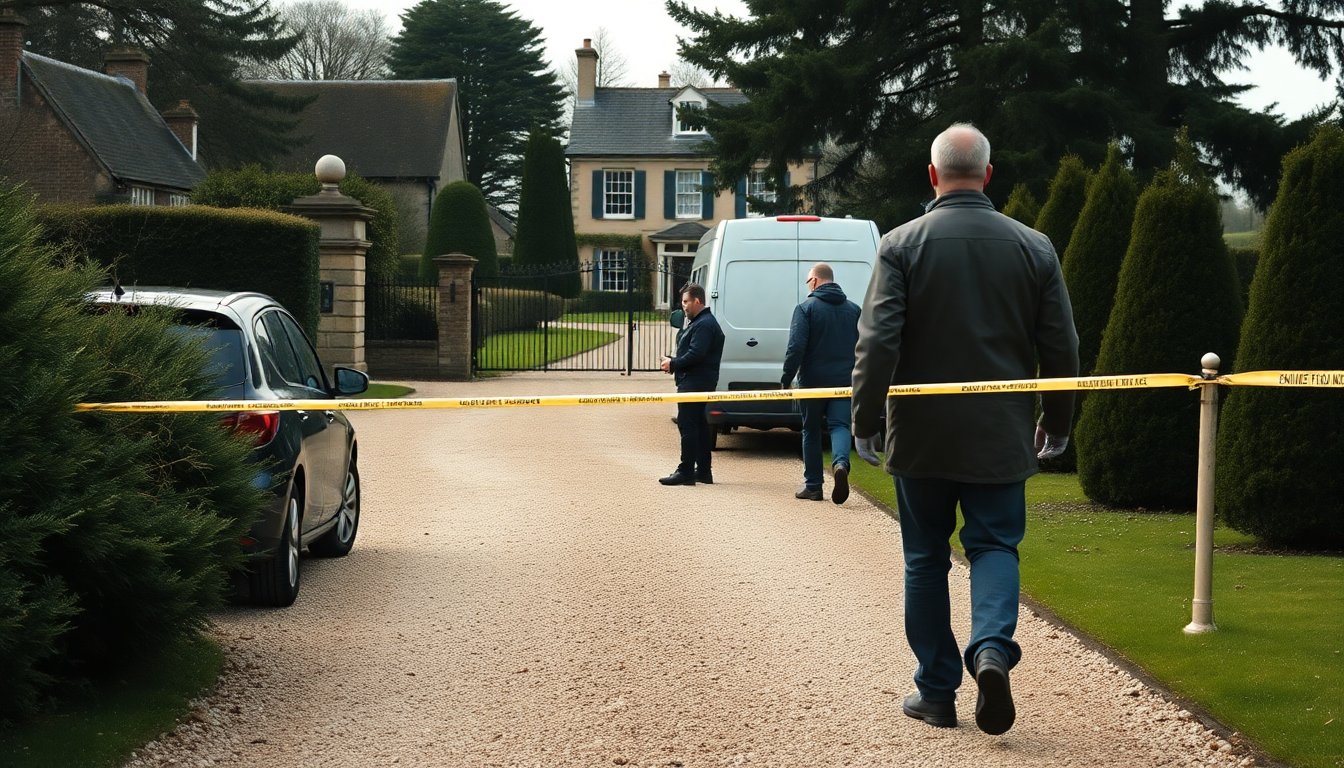
Reports from the scene describe plain‑clothes detectives and unmarked vehicles at several locations. Photographs published by news outlets show methodical searches: officers examining rooms, handling documents and seizing electronic devices. Police have not disclosed operational details beyond confirming searches and the arrest.
Scope of the investigation Investigators are reportedly focused on the former royal’s actions while acting in semi‑official capacities, including his time as a trade envoy. Sources say inquiries are examining communications, travel records and other materials to determine whether any official information was shared improperly or whether duties were wilfully neglected.
Thames Valley Police has emphasised preserving the integrity of the probe. Prosecutors and other agencies may be involved in reviewing evidence as the investigation progresses.
Official responses – Thames Valley Police: Confirmed arrest and searches, said inquiries are ongoing and that updates will be provided in due course. – Royal household: Sources say King Charles III has commented that “the law must take its course” and that the household will cooperate with investigators. – Police spokespeople and legal officials have declined to give a timetable or further operational detail.
Legal process and next steps After an arrest, standard procedures include interview, further questioning, review of seized material and a decision by prosecutors on whether to bring charges. Police can release the individual, continue to hold them, or present the case to the Crown Prosecution Service for charging consideration. No charges had been announced at the time of reporting.
If prosecutors find there is a realistic prospect of conviction and that charging is in the public interest, formal charges could follow. If not, the person may be released without charge. Any criminal proceedings would bring greater scrutiny, and separate administrative or civil consequences (such as stripping of honours) could follow depending on outcomes.
Public reaction and context Public reaction has been mixed: some commentators urge patience and respect for due process, while others call for transparency given the high profile of the individual and historical controversies linked to past associations. The arrest marks a transition from prolonged media scrutiny to formal legal action.
What to watch for – Official updates from Thames Valley Police and the Crown Prosecution Service – Whether charges are filed and, if so, the exact allegations set out in any charge sheet – Further searches, evidence disclosures or statements from legal representatives
What happened Thames Valley Police confirmed that a man in his sixties from Norfolk was taken into custody on 19 February on suspicion of misconduct in public office. Officers carried out searches at multiple addresses in Norfolk and Berkshire. The force did not name the individual in its statement; British media and official sources have identified him as Andrew Mountbatten‑Windsor.0