
Table of Contents
In a recent discussion on CNN’s ‘State of the Union,’ Illinois Governor JB Pritzker responded to a provocative statement made by former D.C. police officer Michael Fanone. Fanone, who sustained injuries during the Capitol riot on January 6, suggested that Americans might need to exercise their Second Amendment rights to defend against actions taken by Immigration and Customs Enforcement (ICE). This remark came in the wake of a tragic shooting incident in Minneapolis, raising concerns about law enforcement practices.
Fanone, speaking on the podcast ‘Protect and Serve’ hosted by Maya May, expressed his frustration with ICE, labeling it a ‘lawless agency’ that harms citizens. He urged individuals to prepare to defend themselves with firearms, stating, ‘It’s time for the American people to organize and utilize their Second Amendment right to protect themselves.’ His comments were direct and filled with anger, as he dismissed the notion of peaceful protests and responded vehemently to calls for restraint.
Pritzker’s emphasis on peaceful protests
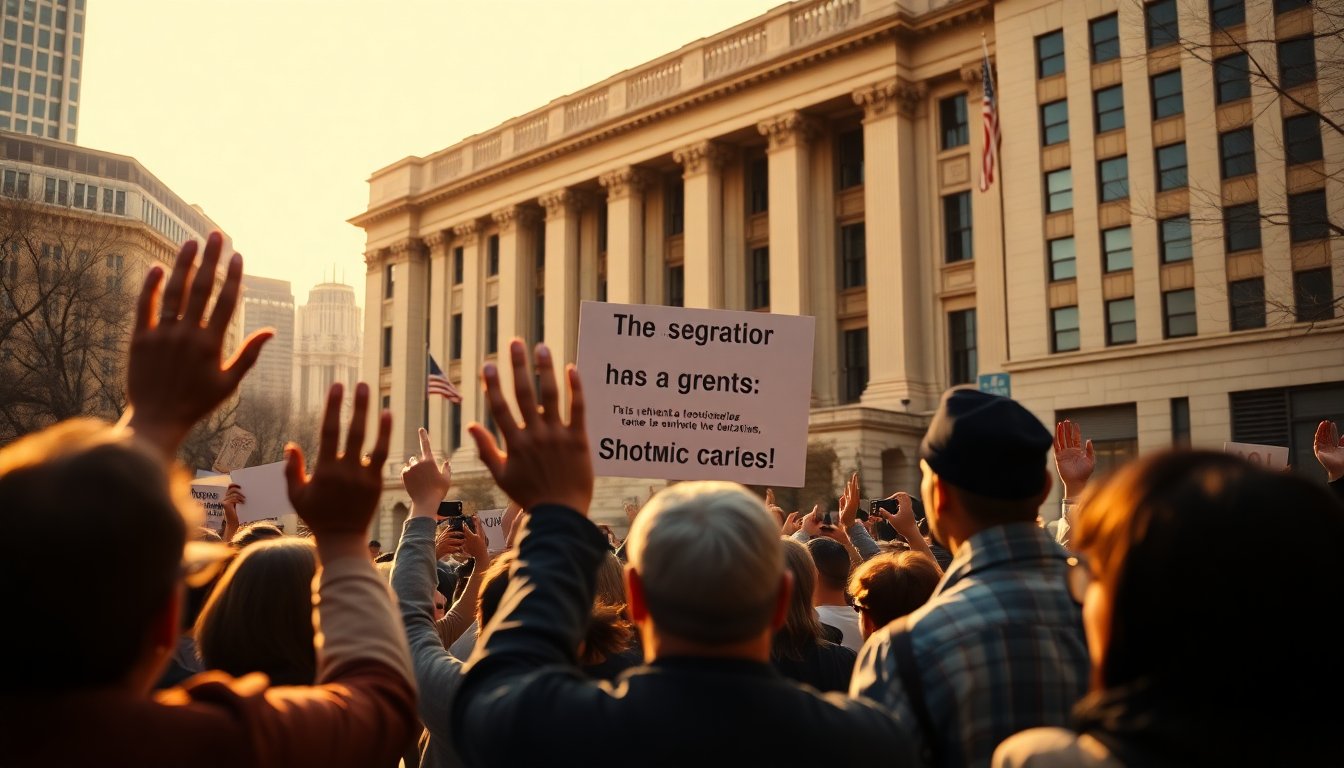
In response to Fanone’s remarks, Governor Pritzker made it clear that he opposes violence. He stated that any form of violence is unacceptable, especially in the context of protests. Pritzker noted that the majority of demonstrators are peaceful and encouraged them to continue advocating for change through non-violent means. He emphasized, ‘Make sure you’re peacefully protesting, be loud for America, but ensure you’re not providing any excuse for the administration to intervene with the National Guard.’
The governor highlighted Illinois’ legal victories in keeping the National Guard out of protest situations, attributing this success to the peaceful nature of the demonstrations. He maintained that the aim should not be to meet force with force but to demand accountability from federal law enforcement agencies.
Fanone’s controversial stance on law enforcement
Fanone’s comments have sparked significant debate. Some view his call to arms as a necessary response to perceived injustices, while others, including political commentators, label it as irresponsible. Bryan Lanza, a former senior advisor to the Trump campaign, condemned Fanone’s suggestion as an escalation of tensions, arguing that it could lead to dangerous confrontations between civilians and law enforcement. He described the remarks as ‘despicable’ and a call for chaos rather than constructive dialogue.
While some may sympathize with Fanone’s frustrations regarding law enforcement practices, particularly concerning immigration issues, many are concerned that advocating for armed resistance could lead to further division and violence in an already polarized political climate. This raises important questions about the responsibilities of both law enforcement and civilians in maintaining peace and order.
Implications of the discourse on gun rights and law enforcement
The conversation surrounding the use of the Second Amendment in the context of law enforcement actions is complex. Advocates for gun rights often emphasize the necessity of self-defense against government overreach. However, the push for armed resistance can lead to severe consequences, as past incidents have shown where tensions escalated into violence.
Pritzker’s insistence on peaceful protest aligns with a broader call for civic engagement and dialogue. By focusing on non-violent methods, he aims to unify people around shared goals rather than divisive tactics that risk public safety. The importance of finding common ground in addressing grievances against law enforcement practices cannot be overstated.
The need for constructive dialogue
As discussions about the role of law enforcement and the rights of citizens continue to evolve, it is crucial for leaders and citizens alike to engage in constructive dialogue. The emphasis should remain on peace, understanding, and accountability rather than resorting to violence. Governor Pritzker’s response to Fanone serves as a reminder of the importance of responsible discourse in a time marked by division and unrest.