
Table of Contents
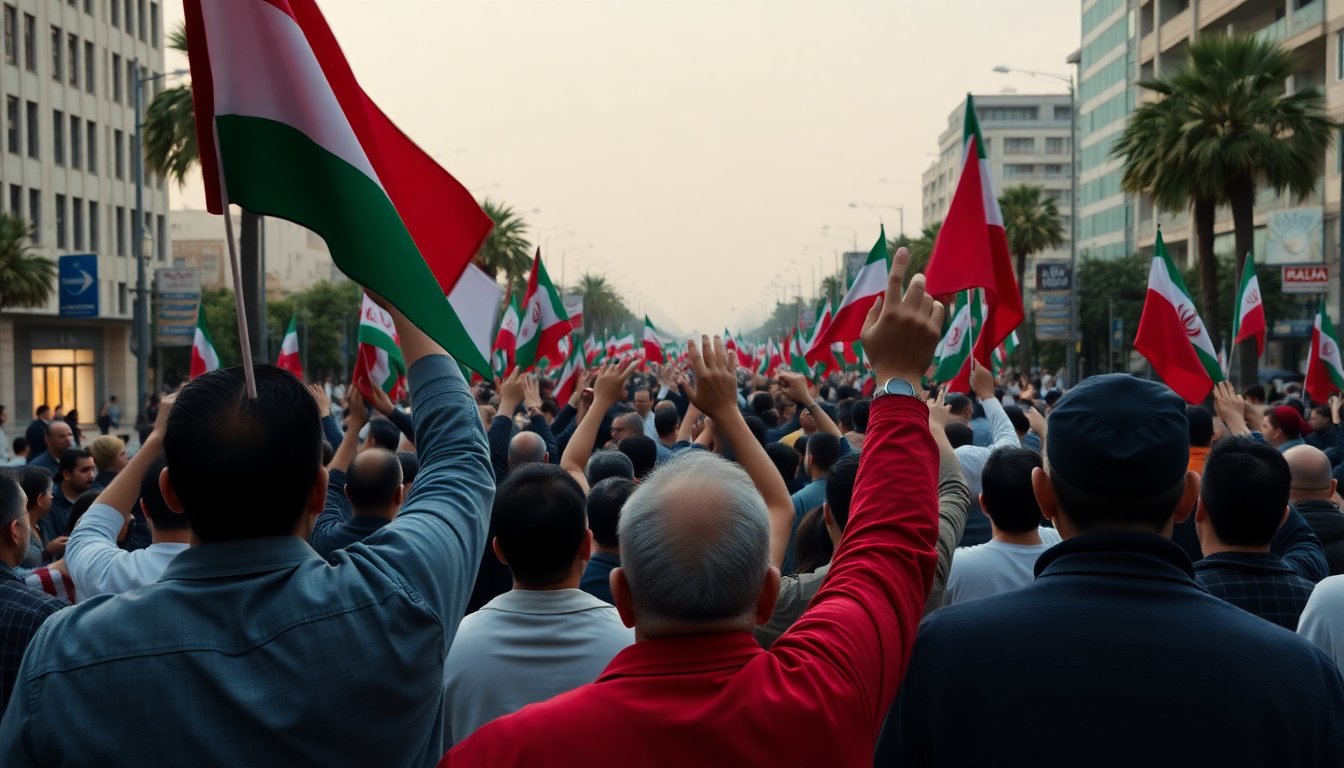
The streets of Tehran saw large, state-broadcast gatherings as crowds waved flags and voiced support for the government, a vivid image of Tehran’s public posture as the conflict with the United States and Israel intensifies. State media framed the rallies as evidence of popular unity, showing scenes of men, women and older supporters carrying portraits and banners. The displays came as authorities marked Nowruz and other religious observances, events that authorities said underscored national resilience while public life remained deeply affected by the violence.
At the same time, Iran issued stark warnings that it could broaden its campaign beyond military and energy targets to include recreational and tourist sites worldwide. The statement from senior commanders followed a week of strikes, counterstrikes and diplomatic maneuvering: the United States moved additional naval forces and thousands of Marines into the region while leaders in Washington and allied capitals traded conflicting messages about the next phases of the campaign. The developments have also driven a sharp rise in oil prices and created new anxieties about global energy supplies.
Domestic rallies and state messaging
Footage aired by state broadcasters emphasized the scale of the Tehran demonstrations, highlighting a narrative of national solidarity. The images showed conservative and older constituencies prominently, with some security personnel and plainclothes figures visible as a deterrent to unrest. Officials have been careful to contrast these public shows of support with fears of internal dissent, stressing that heavy-handed foreign strikes have not triggered the kind of uprising some external actors reportedly expected. The government framed the gatherings as a counterweight to foreign narratives and as a signal that its institutions remain intact despite sustained attacks.
Leadership losses and military escalation
In a series of targeted operations, Israeli forces reported the deaths of senior Iranian security figures, naming individuals who had been central to internal security and paramilitary organization. The strikes removed key advisors and commanders who were tied to domestic repression and organization of volunteer forces. Tehran responded by intensifying missile and drone salvos across the region, including strikes on Gulf Arab energy infrastructure. Those exchanges have further strained neighboring countries, disrupted airspace in major transit hubs and increased the complexity of any diplomatic path to de-escalation.
Who was targeted and why it matters
The officials killed in the strikes played roles in coordinating security plans and in oversight of volunteer militia units; these units are often identified by analysts as the Basij force, an entity used by Tehran to mobilize local support and suppress dissent. Removing such figures has practical and symbolic effects: it deprives command-and-control networks of experienced leaders while signaling to domestic audiences that the government has been wounded but is still capable of responding. State television replayed images of processions and official statements designed to project continuity and resolve.
Regional fallout: energy, shipping and global markets
Iran’s threats to extend attacks to recreational and tourist sites marked a notable broadening of rhetoric, raising alarms abroad about potential asymmetrical strikes as a coercive tool. The country’s hold on the Strait of Hormuz—a narrow chokepoint through which a significant share of world oil transits—remains a strategic lever. Military pressure on shipping and assaults on Gulf energy facilities have already pushed Brent crude significantly higher compared with pre-conflict levels, tightening supply expectations and unsettling financial markets. Several nations have been asked to consider patrols or escorts in contested waters, though allied support has been uneven.
International military moves and diplomatic confusion
Washington announced the deployment of additional amphibious assault ships and thousands more Marines to the theater, even as some senior political figures signaled a desire to reduce direct involvement. NATO and other partners shifted personnel in response to threats against bases and advisory missions, with some forces temporarily relocated. The mixed public messaging—simultaneous reinforcement of forces and talk of winding down operations—complicated efforts to build a coherent international front and worried markets tracking the risk premium on oil and shipping insurance.
Human cost and the outlook
The war has already inflicted considerable human and social cost across the region. Reports cited thousands of casualties in Iran and heavy displacement in neighboring countries where militia and proxy confrontations have intensified. In addition to battlefield deaths, civilians have been killed by debris and strikes in Gulf cities, and large-scale displacement in Lebanon and elsewhere has created a humanitarian strain. Analysts caution that further escalation—especially attacks that deliberately target civilian leisure or tourism infrastructure—would broaden the conflict’s footprint and make an eventual return to stability more elusive.
For now, the confluence of public rallies, leadership decapitations and threats to civilian infrastructure has produced a charged environment in which domestic symbolism and international deterrence interact. The coming days will likely test whether diplomatic channels can be revived, whether allied partners coalesce around a common strategy for securing shipping lanes, and whether domestic cohesion in Tehran survives both military losses and the economic shocks of rising energy costs.