
Table of Contents
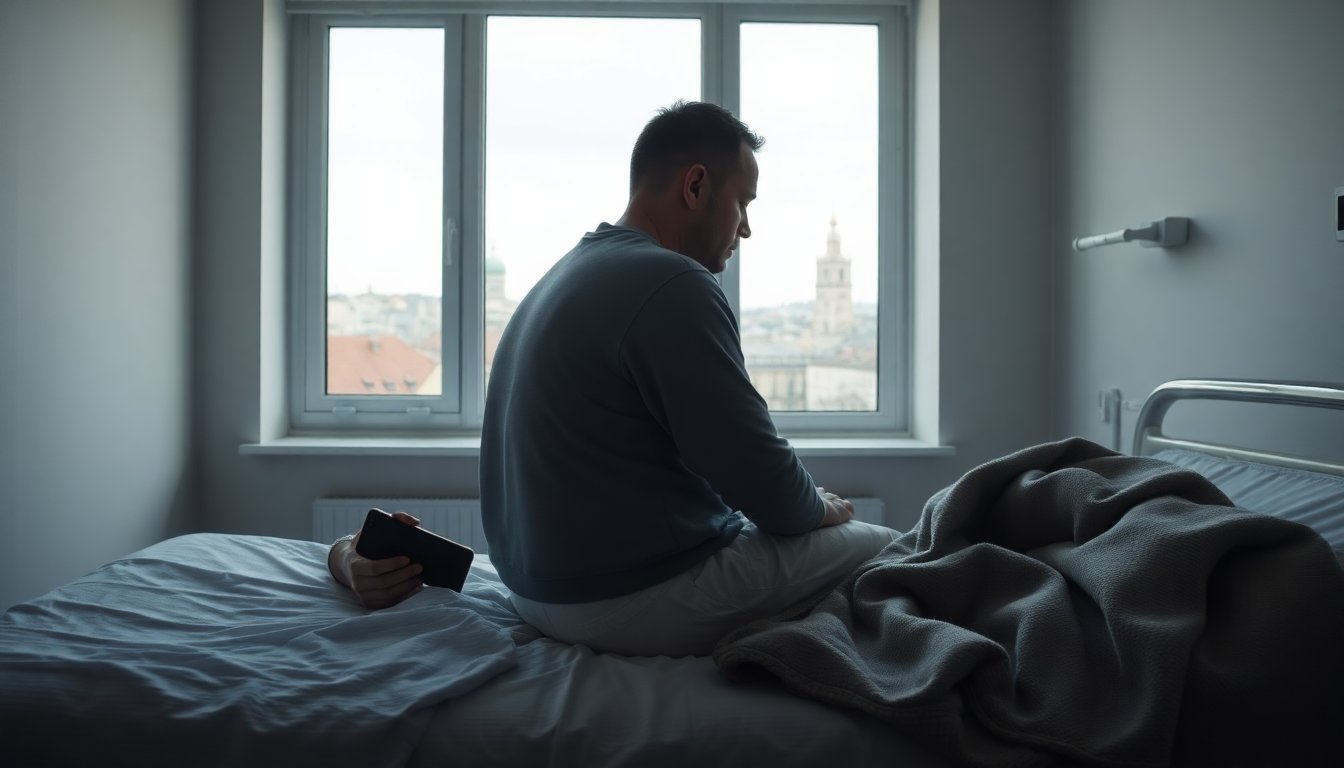
The sudden about-face by Ilya Remeslo — a figure long associated with pro-Kremlin campaigning — has provoked intense scrutiny across Russian social media. On March 17 Remeslo posted a manifesto on Telegram titled “Five reasons why I stopped supporting Vladimir Putin,” accusing the president of launching the war in Ukraine, wrecking the national economy, tightening censorship, unlawfully concentrating power, and cultivating an excessive taste for wealth. Days later he was reported admitted to Skvortsov-Stepanov Psychiatric Hospital No. 3 in St. Petersburg, and his case has been framed variously as a genuine breakdown, a tactical repositioning, or an example of alleged punitive psychiatry.
The reports sparked immediate debate because the hospital has historical associations with detaining dissidents, and because Telegram channels remain one of the few major alternatives to state media. Some outlets named the 16th ward, described as treating first-onset psychosis in male patients, while other commentators pointed out that Remeslo has family members who work in psychotherapy and psychiatry, complicating simple readings of the story. Sources cited by news channels suggested this might not be the first psychiatric admission for Remeslo, and the swift spread of conflicting explanations has made the truth difficult to isolate.
The switch and the hospitalization
Remeslo’s March 17 post culminated in a direct demand that Vladimir Putin resign and face trial as a war criminal and a thief — language almost unheard of from someone who had previously defended the Kremlin line. Within hours, Telegram outlets and local media reported an ambulance call and his transfer to a psychiatric facility. Those reports were first amplified by pro-war blogger Aleksandr Kartavykh and by channels such as Baza. Analysts and observers immediately raised the possibility of state pressure: historically, psychiatric hospitalization has been cited as a tool of repression, though other actors quickly suggested alternative explanations, including voluntary admission to avert potential criminal charges.
Reports and skepticism
Complicating matters further, Remeslo himself posted videos denying any account compromise and insisting he had authored the denunciation. On March 18 he gave a long interview to a YouTube show where he appeared composed and in a shirt resembling military apparel; in that conversation he denied being under duress or facing immediate legal prosecution. He also shared bank details and solicited donations, asserting he would publish insider material about power holders. Critics and supporters alike reacted with incredulity: some suggested a provocation or orchestrated stunt, others claimed genuine political awakening, and a number of voices floated the idea that he may have chosen hospitalization as a legal shield against impending cases.
Background and ties to the Kremlin
Remeslo, 42, built his public profile primarily by attacking critics of the authorities, most notably Alexey Navalny and the Anti-Corruption Foundation. He accused Navalny of embezzling funds and later testified in a case that reached trial in early 2026. Investigators and opposition lawyers have said Remeslo long occupied a role inside the Kremlin’s information ecosystem — what some call the power vertical — receiving payments from entities linked to Kremlin operatives. The Anti-Corruption Foundation reported ties between Remeslo and business interests connected to Konstantin Kostin, described by some investigators as a figure involved in the campaign against Navalny.
Work for the authorities and falling out
According to his own account, Remeslo began as a Navalny supporter in 2011–2012 but turned against him after his email was compromised. He says he started blogging after a meeting with another political blogger in 2013 and by 2015–2016 began receiving Kremlin funding to target Navalny. He claims his collaboration with the presidential administration continued even after Navalny’s imprisonment and eventual death in custody, but that it wound down only months ago when he felt he was being phased out of the pro-government blogger network. Remeslo also suggested that certain senior figures historically tolerated Navalny’s activities because of internal protection from officials like Vyacheslav Volodin.
Reactions and wider implications
Observers have treated the episode as a test case for several intersecting dynamics: the limits of loyalty within the Kremlin’s media ecosystem, the legal options open to high-profile propagandists, and the continuing shadow of Soviet-era tactics such as using psychiatric institutions against political opponents. While Remeslo said he had not received overt threats and refused requests to delete his post — including a call from Apti Alaudinov, commander of the Akhmat unit — others urged caution, arguing that the event could be staged to discredit dissent. Proponents of Telegram channels worry about increased pressure on independent outlets, even as the platform remains central to political debate.
In public remarks and interviews, Remeslo framed his decision to break with Putin as the result of growing disillusionment after the Prigozhin mutiny and what he described as missed opportunities for peace. He told interviewers he thought Russia’s path under Putin would eventually collapse and said he preferred to remain in the country rather than flee, hoping to outlast the regime. Whether his critique marks a genuine realignment, a legal gambit, or an episode of medical intervention, the episode raises persistent questions about power, loyalty, and the thin lines between politics and medicine in contemporary Russia.