
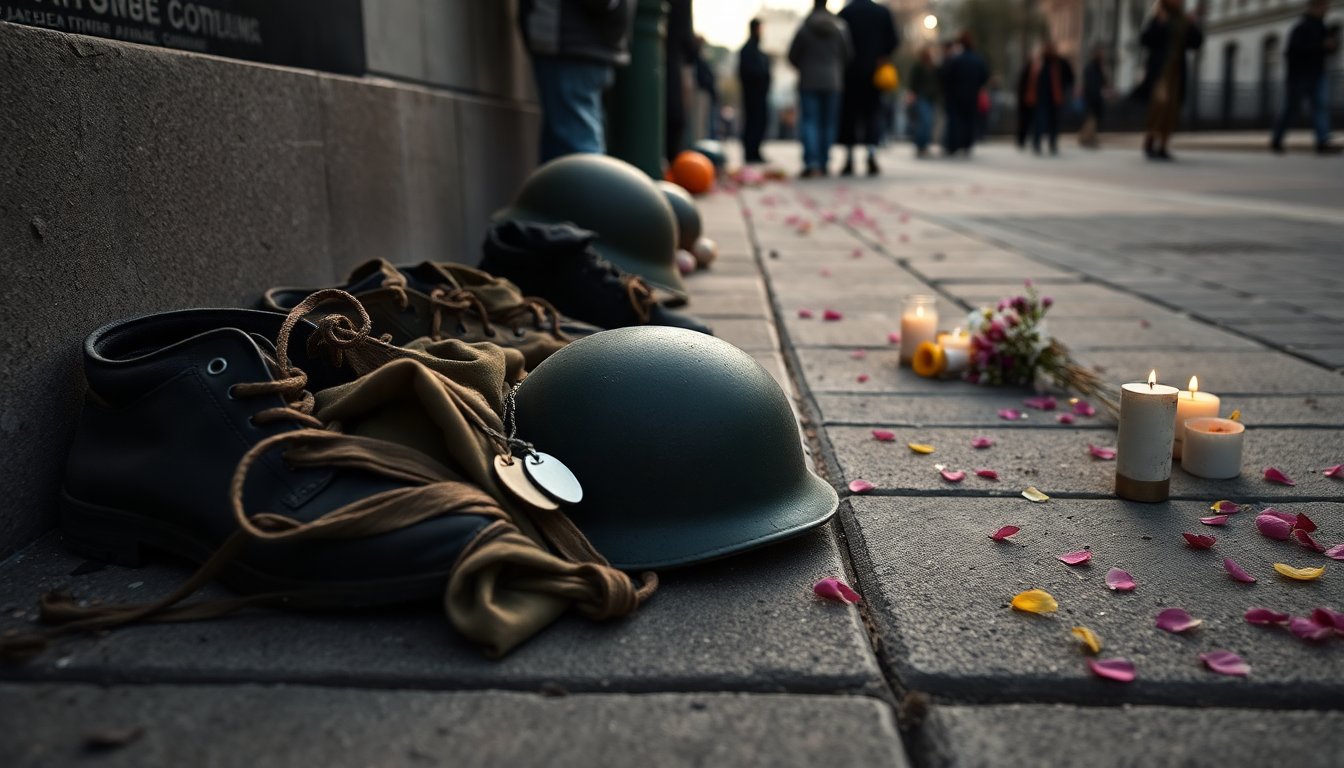
United States and Israeli forces launched a coordinated campaign against Iran that many accounts say even included claims — later disputed — that Iran’s supreme leader, Ayatollah Ali Khamenei, had been killed. A Reuters‑Ipsos weekend poll captured the immediate American reaction: about one in four approved of the strikes, 43 percent disapproved and roughly 29 percent were unsure. The U.S. government reported three service members killed; media and officials cited heavy casualties in Iran and in other countries linked to the confrontation. Those losses sharpened fights in Washington over congressional oversight, election calculations and how much the public will tolerate further military action abroad.
A country split and uneasy
The numbers point to a nation divided and hesitant. With approval hovering near 25 percent, there’s no broad public mandate for a wider campaign. Opposition at 43 percent plus nearly 30 percent undecided leaves elected officials with very little clarity. That many people on the fence makes political choices fraught: lawmakers who rely on voter support will likely think twice before authorizing or financing any escalation.
Partisan lines — and the gray area between them
Support clustered heavily with Republicans — about 55 percent approved — though even within that bloc a sizable share (32 percent) said they weren’t sure, and 13 percent disapproved. Democrats were mostly opposed: roughly 74 percent disapproved while only about 7 percent expressed support. Independents skewed skeptical as well, a worrying signal for candidates in swing districts where a handful of voters can decide an election.
How casualty reports shifted attitudes
As reports of civilian and military deaths became more prominent, many who had been undecided moved toward opposition. Media coverage, the availability of independent verification and the perceived credibility of official statements all shaped how people interpreted events. Once battlefield losses became visible, abstract national‑security arguments turned personal; for a lot of voters, seeing real human costs prompted them to pull back support. Notably, about 42 percent of Republican respondents said they’d be less likely to back the operation if it resulted in U.S. troop deaths or injuries — a reminder that battlefield losses compress strategic debates into immediate political consequences.
Money, energy and public tolerance
Economic anxieties are competing with foreign‑policy headlines for voters’ attention. Some 45 percent said they’d be less likely to support military action if it pushed up domestic gas or oil prices. Disruptions to shipping lanes, like the Strait of Hormuz, and private firms’ decisions to suspend regional shipments have already stoked worries about energy and supply chains. When families feel the pinch at the pump or the supermarket, tolerance for overseas engagements evaporates quickly.
What strategists and planners are watching
Campaign teams and lawmakers are parsing these signals closely. Political messaging has already started to pivot: parties either try to frame military steps as protecting domestic interests or emphasize the political costs of war. Casualty figures and economic indicators will factor heavily into turnout plans and appeals to swing voters. For military planners and policymakers, public sentiment can influence troop posture, timelines and even what information to release publicly.
Congress pushes back
Pressure mounted in Congress for clearer limits. Several Democratic senators pushed a war powers resolution that would require congressional approval for any further major operations, arguing that recent American losses made oversight urgent. Proponents say such measures restore constitutional checks and force a clearer articulation of objectives and exit plans; opponents counter that extra procedural hurdles could tie the president’s hands during rapidly evolving crises. Expect hearings focused on casualty estimates, projected costs and defined exit criteria — and possible amendments tying funding to benchmarks or sunset clauses.
Regional fallout and the battlefield picture
The strikes triggered immediate reprisals across the region: Iran launched ballistic missiles toward Israeli territory and other targets, U.S. bases in host countries reported attacks, and officials described hundreds of fatalities across multiple nations. Supporters argue the strikes degraded specific capabilities and deterred further provocations; critics warn they risk wider escalation and deepen humanitarian suffering. On the ground, forces tightened security, troop rotations shifted, civilian infrastructure and shipping suffered disruptions, and humanitarian groups reported growing needs for medical care and civilian protection.
The With approval modest, sizable opposition and a large undecided bloc sensitive to casualties and economic fallout, political and military leaders face hard tradeoffs. Decisions made now — about escalation, transparency and how to tie goals to timelines — will be judged not only on strategy but on how they land with a wary and increasingly cost-conscious electorate.