
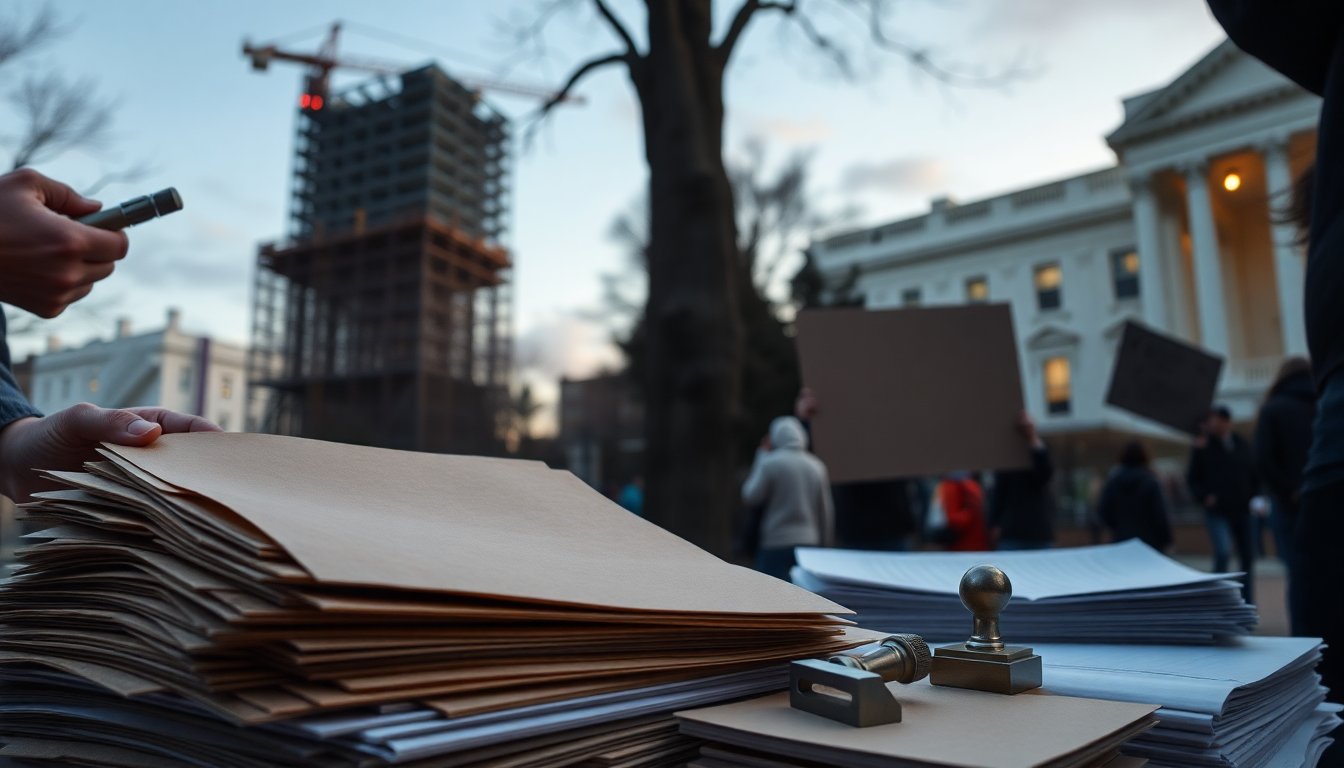
A proposal to attach a 90,000-square-foot ballroom to the Executive Mansion has ignited a surprisingly intense public battle as the National Capital Planning Commission prepares for a pivotal vote. More than 32,000 comments have flooded the agency, and public meetings have drawn crowded, often emotional crowds—everything from detailed critiques of the designs to impassioned pleas to protect the White House’s historic feel.
Where the debate breaks down
Supporters portray the ballroom as a practical fix to recurring logistical headaches. They point out that temporary tents and modular structures for state dinners and official receptions are cumbersome, weather-dependent, and awkward for security and accessibility. To them, a permanent, weatherproof event space is a sensible modernization that would streamline official hosting.
Opponents tell a different story. Preservation groups and many commentators worry that adding a substantial new volume to the mansion’s footprint would upset its architectural balance and thin the historic fabric that defines the place. Criticisms range from objections to the size and siting of the ballroom to concerns about the speed and transparency of the review process. Some worry decisions are being steered without full disclosure about funding sources or possible alternatives.
What the NCPC vote will mean
The commission’s upcoming decision won’t be the final word, but it will spell out the federal planning agency’s stance and shape what comes next. NCPC staff acknowledge the breadth of public concern—questions about removing parts of the East Wing and about how the project will be financed keep resurfacing—but they also emphasize that much of that debate falls beyond the narrow legal remit they must follow.
At the hearing, both preservation advocates and agency staff will present formal statements. The commission can recommend changes, ask for more study, or approve the project with conditions. Its action will likely influence administrative steps and the course of any litigation.
A live legal fight
A preservation organization asked a judge for an emergency order to stop construction, but U.S. District Judge Richard Leon declined to freeze work. In his decision the judge said the plaintiffs hadn’t yet raised the specific statutory claims needed, on the existing record, to test whether the administration can move forward without additional congressional approval when private funds are used.
That ruling keeps crews on site for now. The administration has signaled it will continue construction; plaintiffs could amend their complaint to press the narrower legal arguments the judge pinpointed, which might change the scope of judicial review and reopen the question of an injunction.
Who’s paying for it?
Officials and project supporters say private donations will cover the roughly $400 million bill, with no taxpayer money expected to be used. The administration has disclosed some contributions, including from the president and various corporate donors. Design documents and environmental assessments prepared by the National Park Service briefly appeared online before a March 5 review session and are part of the public record, outlining timelines and environmental considerations.
Alternatives and possible compromises
Not everyone who objects wants to scuttle the idea altogether. Many have proposed ways to reduce the new ballroom’s impact: scale back its footprint, alter the massing, move it to a less conspicuous location on the grounds, or build a large event facility offsite. Supporters of a permanent venue sometimes accept smaller, less visible designs or other mitigations as a reasonable middle ground.
The discussion has become about more than architecture. It’s a tug-of-war over how the nation balances practical needs for modern diplomacy against stewardship of a symbol many feel belongs to the public and to history. The NCPC’s decision will not only affect a building project; it will help set the tone for how those competing values are weighed in the months ahead.