
Table of Contents
In the sphere of international relations, alliances often shape geopolitical landscapes. The partnership between Russian President Vladimir Putin and Indian Prime Minister Narendra Modi has attracted significant attention, especially from the United States. This relationship, characterized by mutual interests and historical ties, is increasingly significant as the world navigates through complex global challenges.
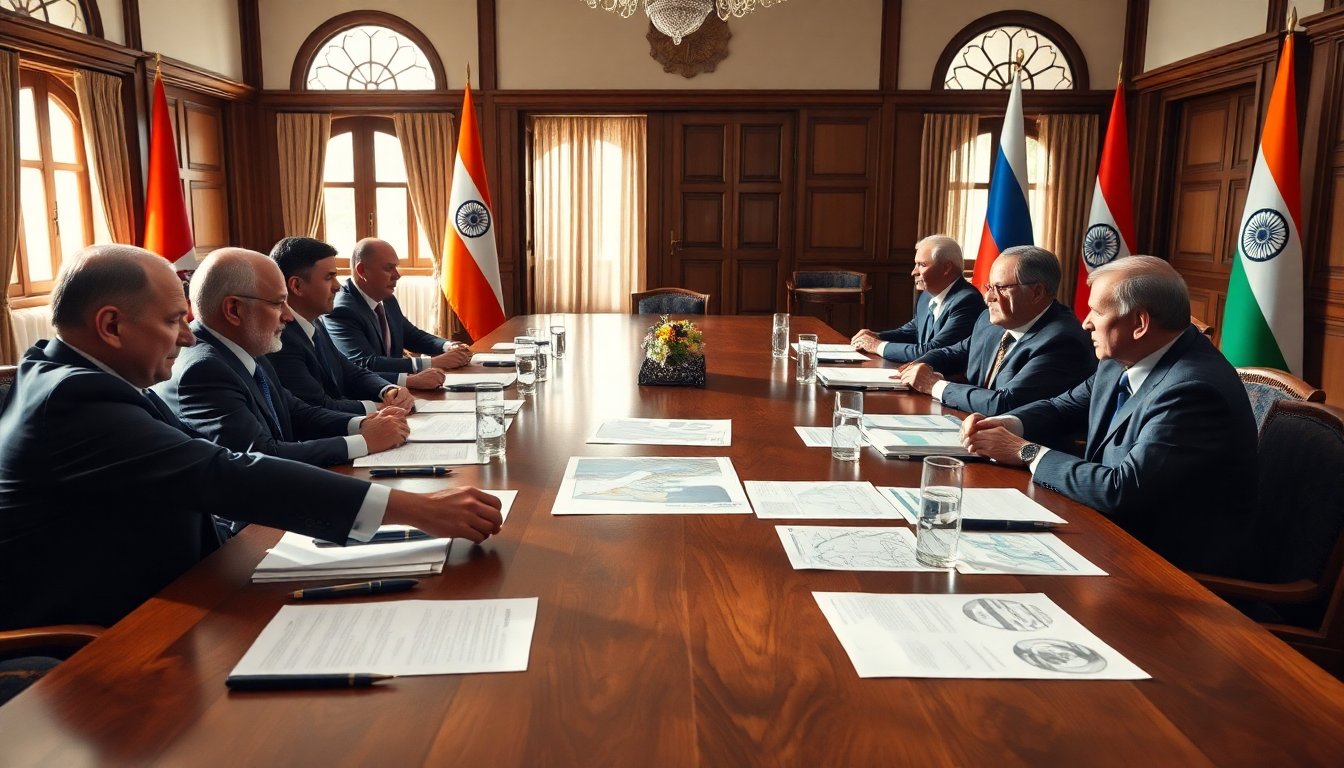
President Putin’s recent visit to India represents more than just a diplomatic trip; it encapsulates a deep-seated alliance that both leaders are keen to protect. This visit, set against the backdrop of rising tensions between Russia and Western nations, underscores the importance of India as a strategic partner for Moscow.
The significance of the Russia-India partnership
The relationship between Russia and India has roots that extend back to the Cold War era, where they forged a bond based on shared political ideologies and mutual benefits. Today, this alliance remains relevant as both nations seek to navigate the shifting currents of global power. With India emerging as a rising economic power, Russia views it as a critical ally in countering Western influence.
Economic and military cooperation
One of the cornerstones of the Russia-India relationship is their extensive economic cooperation. Over the years, both countries have engaged in numerous initiatives aimed at enhancing trade and investment opportunities. This collaboration extends into the military realm, where India has historically depended on Russian defense technology. The two nations have engaged in joint military exercises and collaborated on various defense projects, further solidifying their partnership.
India’s reliance on Russian military equipment, including advanced weaponry and technology, reflects a strategic dependence that has both political and economic implications. As geopolitical tensions rise, especially regarding China’s assertiveness in the region, this military cooperation becomes increasingly vital.
Challenges and criticisms
Despite the solid foundation of their partnership, the relationship faces challenges. The United States has expressed concern over the deepening ties between Modi and Putin, interpreting it as a potential threat to its influence in the region. The U.S. administration, under President Donald Trump, has been vocal about its discontent with countries engaging closely with Russia, indicating that such alliances may lead to strained relations with Washington.
The global response
The global community is closely monitoring these developments. The impact of the Russia-India alliance reverberates beyond their bilateral relations, influencing broader geopolitical dynamics. Countries in South Asia and beyond are now reassessing their positions as they seek to align themselves with either the West or a more multipolar approach to international relations.
Moreover, the ongoing conflict between Russia and Ukraine complicates matters further. India’s balancing act of maintaining its relationship with Russia while navigating its ties with Western nations adds another layer of complexity to the geopolitical chessboard.
The future of the alliance
Looking ahead, the trajectory of the Russia-India relationship will likely be shaped by several factors, including economic developments and regional security concerns. While both leaders are committed to fostering this partnership, external pressures from the West may challenge their efforts. As global alliances continue to shift, the strength of the Putin-Modi bond will be tested.
The deepening relationship between Putin and Modi reflects strategic maneuvering in an increasingly complex global landscape. As they navigate their partnership amidst international tensions, the implications of their alliance will resonate globally, potentially altering the future of international relations.