
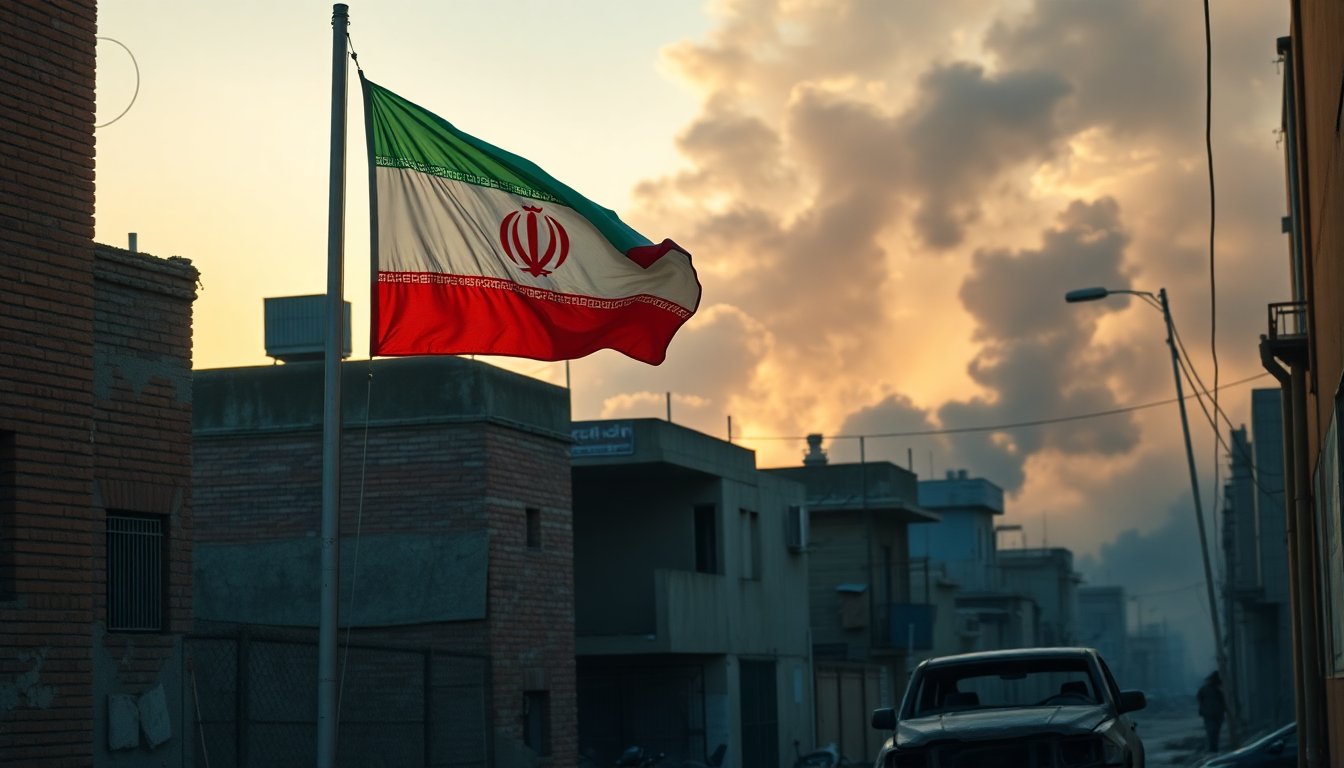
Iran’s supreme leader, Ayatollah Ali Khamenei, has reportedly died after a series of coordinated strikes that sources attribute to the United States and Israel. The attacks set off a storm of diplomatic condemnation, frantic consultations among regional capitals, and clashes on the ground that have already reshaped the Middle East’s security landscape.
Kremlin reaction and Russian outreach
– Within hours, the Kremlin sent a sharply worded letter to Tehran. President Vladimir Putin called the incident a “cynical violation” of established norms and extended condolences to the Iranian leadership and people, framing the strikes as an affront to international practice and diplomatic protections.
– Moscow’s message emphasized stability and urged against further escalation. Russian officials portrayed their intervention as both a defense of strategic ties and a bid to keep channels of communication open while the region smolders.
– The tone and timing of the Russian response will matter: allies and neutral states often weigh Moscow’s stance when judging the legality and political implications of such actions.
Iran at the United Nations and at home
– Iran’s UN envoy, Amir‑Saeid Iravani, lodged a formal protest at the Security Council, calling the strikes “unprovoked aggression” and demanding an international response. Tehran insists it retains the right to self‑defense and has signaled it may take retaliatory measures.
– Domestically, state media and government spokespeople portrayed the attacks as a blow to national dignity. Streets in multiple cities filled with mourners and protesters; official funerals and public rallies reinforced the government’s narrative even as pockets of dissent and anti‑regime chants appeared elsewhere.
– Iranian institutions moved quickly to project continuity. Constitutional bodies announced procedures for selecting a successor, and officials said an interim leadership council would assume key duties while a new supreme leader is chosen. Details remain fluid and will depend on official confirmation.
Diplomatic fallout and what capitals are doing
– The strikes have triggered rapid diplomatic activity: emergency meetings, back‑channel consultations, and international appeals for restraint. Expect the UN and major capitals to weigh legal avenues, possible sanctions, and coordinated statements intended to limit spillover.
– Practical measures likely on the agenda include steps to reduce the risk of miscalculation, bolstered security for diplomatic missions, and intensified intelligence-sharing to prevent a broader conflagration.
– Russia’s denunciation amplifies Tehran’s diplomatic case and could influence how allies and neutrals frame their responses. The incident raises questions about precedent — whether the use of force in this manner will alter customary rules governing interstate conduct.
Military escalation and regional consequences
– After the strikes, reports emerged of retaliatory missile and drone exchanges, elevated military alert levels in neighboring countries, and damage in several Gulf ports and transport hubs. Local officials reported civilian casualties in some areas.
– Analysts warn of three immediate risks: increased danger to civilians near border zones, interruptions to shipping and energy routes, and strains on regional alliance networks as states recalibrate support and deterrence.
– Prolonged instability would also carry economic consequences — higher insurance and shipping costs, disrupted supply chains, and shifts in investor confidence that extend far beyond the region.
Claims of responsibility and the legal debate
– U.S. officials publicly acknowledged responsibility for the operation, naming it Operation Epic Fury; Israeli leaders confirmed their participation. Washington described the strikes as a defensive action meant to prevent what it called an imminent move toward a nuclear capability.
– The acknowledgment intensified legal and diplomatic scrutiny. Critics at home and abroad questioned the operation’s legality and wisdom, while supporters argued it removed an immediate strategic threat. Independent verification of targets and results remains incomplete; further disclosures will be essential to establish the full picture.
Succession, politics and the balance of deterrence
– The removal of a sitting supreme leader upends Iran’s domestic politics and forces a rapid, high‑stakes succession process. Hardline factions may use the crisis to consolidate power, while more moderate voices face pressure to show resolve without sparking wider war.
– How Iran’s leadership balances retaliation and de‑escalation will shape both internal alignments and external bargaining positions. Parliamentary signals, statements by allied capitals, and public order on the streets are likely to be the clearest early indicators of the direction Tehran takes.
Implications for businesses and humanitarian actors
– Beyond immediate security concerns, the episode raises material questions for companies and humanitarian organizations operating in or relying on the region. Disruptions to energy supplies, shipping lanes, and cross‑border logistics could force rapid risk reassessments — from insurance and compliance to staff safety and supplier diversification.
– Governments and firms that already build geopolitical risk into planning will need to accelerate contingency measures: scenario planning, supply‑chain resilience, and clear protocols for personnel in affected areas.
What to watch next
– Key signals to monitor in the coming days: formal motions or investigations at the United Nations, coordinated statements from major capitals, developments in Iran’s succession process, and any shifts in military posture from regional players.
– Equally important will be independent reporting and transparent disclosures from involved governments about the operation’s objectives and outcomes. The risk of miscalculation is real; diplomacy and careful crisis management will determine whether this episode spirals or is contained.
This is a fast‑moving story. More details and authoritative confirmations are likely to emerge as international bodies, intelligence services, and journalists piece together the full sequence of events.