
Table of Contents
The Gulf has entered a more volatile phase after missile strikes inflicted what Qatar described as extensive damage on the Ras Laffan industrial zone, home to one of the world’s largest LNG production complexes. On 19 Mar 2026, Qatar announced it was expelling Iran’s military and security attaches, citing a direct threat to its national security. The move followed a wave of strikes and interceptions across the region that disrupted operations, raised energy market alarms and prompted diplomatic backlash.
This episode unfolded against a backdrop of reciprocal targeting of energy sites. Iranian authorities said some attacks were retaliation for strikes on Iran’s South Pars gas facilities, while Gulf states reported missile and drone intercepts and precautionary shutdowns at key sites. The developments have not only affected on-the-ground operations but also reignited debates in capitals over military strategy, emergency preparedness and the protection of civilian infrastructure during an armed confrontation.
Damage at Ras Laffan and the diplomatic response
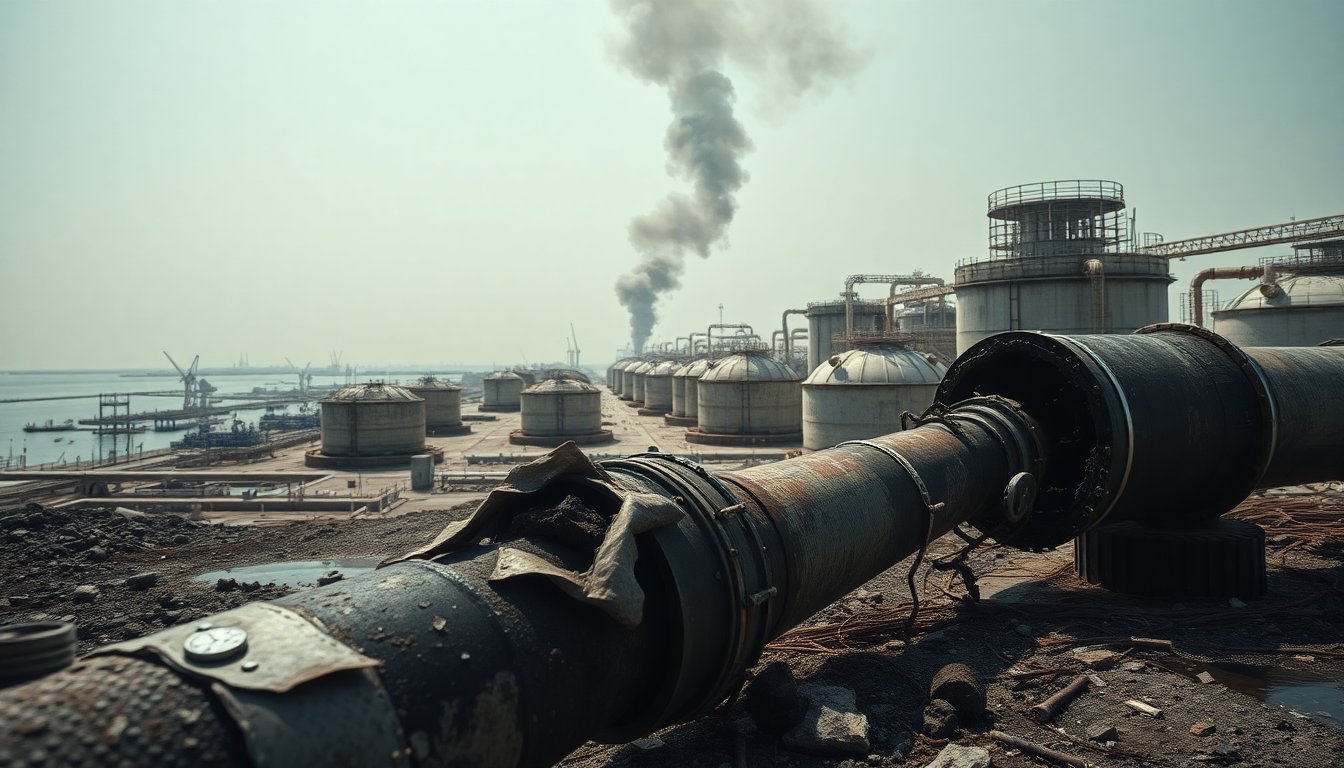
Qatar’s state oil and gas company reported fires and extensive damage to facilities in Ras Laffan after missiles struck the complex. Doha’s foreign ministry condemned the attacks as “brazen,” arguing they posed a direct threat to both domestic stability and regional security. In response, Qatar expelled Iran’s military and security attaches, warning that further hostile acts would trigger additional measures to protect its territory and energy infrastructure.
Regional operational impacts
Across the Gulf, operators and authorities moved swiftly to limit harm. Abu Dhabi suspended operations at the Habshan gas facilities after falling debris from intercepted missiles posed immediate safety risks. The UAE and Saudi air defences also reported successful interceptions of missiles and drones, with debris falling in parts of Riyadh and other areas. While officials said there were no reported injuries at some sites, the interruptions underlined how quickly energy supply chains can be affected amid military exchanges.
Energy markets and supply concerns
Markets reacted fast: oil prices climbed toward the $110 a barrel mark as traders priced in the risk of further disruption to exports and processing hubs in the Gulf. Ras Laffan’s significance for global LNG supply amplified the market response, since any prolonged outage could ripple into global gas markets, winter procurement plans and the strategies of countries dependent on liquefied natural gas imports.
Operational mitigation
Beyond immediate shutdowns, companies activated contingency plans designed to preserve personnel and assets. Emergency procedures included temporary halts to production, protective measures at pipelines and increased coordination with national defence agencies to monitor threats. These responses reflect an industry facing the dual challenge of safeguarding critical energy infrastructure while maintaining market commitments where possible.
Diplomatic and political fallout
International leaders reacted with a mix of condemnation and calls for restraint. French president Emmanuel Macron urged an immediate moratorium on strikes targeting civilian infrastructure, emphasizing protection for populations and essential services. At the same time, Washington faced internal debate: reports indicated the Pentagon asked for a roughly $200bn supplemental request to Congress to fund operations related to the conflict, creating a political flashpoint as lawmakers weighed support.
Political positioning and statements
According to major outlets, US political leaders expressed differing stances on future targets. Coverage suggested the US president supported a message aimed at Tehran after strikes on Iranian energy sites but reportedly opposed further strikes on energy infrastructure, citing the risk of widening the conflict. These tensions reflect the strategic dilemma of responding to provocations while limiting escalation that endangers third countries and regional commerce.
Human costs and wider security implications
The military exchanges have had human consequences: strikes elsewhere in the conflict produced fatalities and injuries, including casualties in the occupied West Bank and a foreign worker killed in central Israel. The incidents underscore how military operations near civilian areas and transport arteries compound humanitarian risks and destabilize daily life. Governments in the region warn that continuing strikes on energy or civilian infrastructure could draw in states not directly party to the dispute.
As the situation evolves, stakeholders are watching for three things: whether Iran continues strikes on Gulf energy targets, whether Gulf states escalate defensive or retaliatory measures, and how international powers balance military support with diplomatic efforts to shield civilian infrastructure. The expulsion of Iran’s attaches by Qatar on 19 Mar 2026 marks a clear diplomatic rupture and a signal that states are prepared to take unilateral steps to protect their security and economic lifelines.