
Table of Contents
In a troubling development, a single-tusked wild elephant has unleashed a violent spree in eastern India, resulting in nearly two dozen fatalities over just ten days. This crisis has primarily unfolded in the West Singhbhum district of Jharkhand, leaving local residents engulfed in fear and uncertainty. Reports indicate that some have resorted to climbing trees and sleeping on rooftops to avoid the aggressive animal, which has displayed unpredictable behavior.
The chaos commenced on New Year’s Day when the rogue elephant fatally attacked a 35-year-old man in the village of Bandijhari. The situation escalated quickly, with the elephant striking again just four days later, leading to the deaths of five family members in Sowan. The rampage continued, claiming five more lives in Babaria the following day, including a married couple and their two children, as reported by the Times of India.
The elephant’s dangerous condition
Forest officials believe the bull elephant is experiencing a state known as musth. This condition, characterized by a significant hormonal surge in male elephants, leads to heightened aggression and erratic behavior. While this phase can last for weeks or months, it poses a severe threat to both elephants and nearby human populations. Roaming primarily at night, the elephant has managed to cover distances of up to 25 miles a day, evading capture despite multiple attempts to tranquilize it.
Panic in the villages
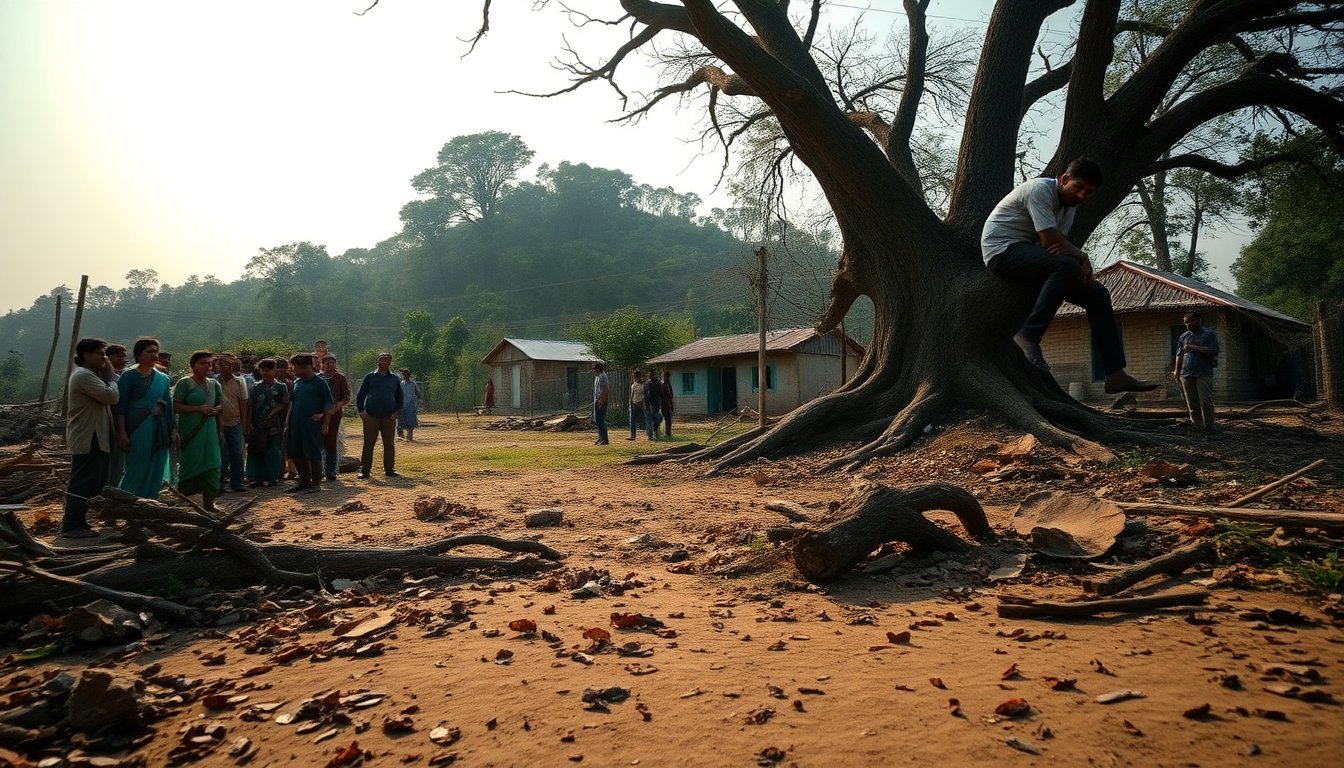
As night falls in the affected areas, a palpable sense of fear envelops the communities. Residents, terrified of becoming the next victim, have taken to sleeping outdoors, perched on rooftops or in trees, vigilantly listening for any signs of the elephant’s approach. The nighttime atmosphere has transformed into a scene of dread, with locals on high alert for the sounds of crashing branches or heavy footsteps signaling the elephant’s presence.
Repeated attempts to tranquilize the animal have proven unsuccessful. Each effort to subdue the bull using dart guns has been thwarted by its increasingly agitated state, prompting rescue teams to withdraw for safety reasons. Concerns about potential charges from the elephant have made the situation even more precarious, leading to a halt in operations and a reevaluation of tactics.
Measures taken for public safety
In light of the ongoing threat, authorities have mobilized over 300 forest and wildlife personnel for a comprehensive search and rescue operation. This initiative includes tracking teams equipped with drones to locate the elusive elephant amidst the dense forest. Local governments have also implemented additional safety measures, providing residents with torches and firecrackers to ward off the animal. High-risk areas have been evacuated, and train services have been suspended to ensure community safety.
The growing human-elephant conflict
The tragic events unfolding in Jharkhand highlight a broader issue of escalating human-elephant conflict in India. As urbanization encroaches on natural habitats, elephants increasingly venture into human settlements, resulting in dangerous encounters. Government data indicates that approximately 500 people lose their lives to elephant attacks in India every year. This alarming statistic underscores the urgent need for effective strategies to mitigate such conflicts and protect both human lives and elephant populations.
Moreover, the period between and saw a staggering increase of 37% in elephant fatalities due to human-related causes, with 2,011 elephants reported dead. This tragic trend raises significant concerns regarding wildlife conservation and the safety of communities living near elephant habitats.
As the search for the rogue elephant continues, hopes remain that authorities will be able to capture the animal safely and restore a sense of security to the affected villages. The community’s resilience is being tested, and it is crucial to implement both immediate and long-term solutions to address the complexities of human-wildlife interactions in India.