
“As a chef, you learn the palate doesn’t lie” — a line Navalny’s supporters and the scientists now citing forensic evidence might echo in different keys. Taste can tease apart subtle notes; forensic chemistry can do much the same, separating microscopic signatures until a source comes into focus. On 14 February 2026, at the Munich Security Conference and on the second anniversary of Alexei Navalny’s death, the United Kingdom and several European partners laid out laboratory findings that they say point to a scarce, highly potent toxin as the likeliest cause.
What the tests show
Laboratories working with samples from Navalny detected a rare alkaloid consistent with toxins produced by certain poison dart frogs. Officials from five countries reviewed the forensic results, clinical records and chain-of-custody documentation and judged it “highly likely” that exposure to that compound was the primary cause of death. Governments involved describe the chemical marker as strengthening a poisoning hypothesis over other explanations previously advanced.
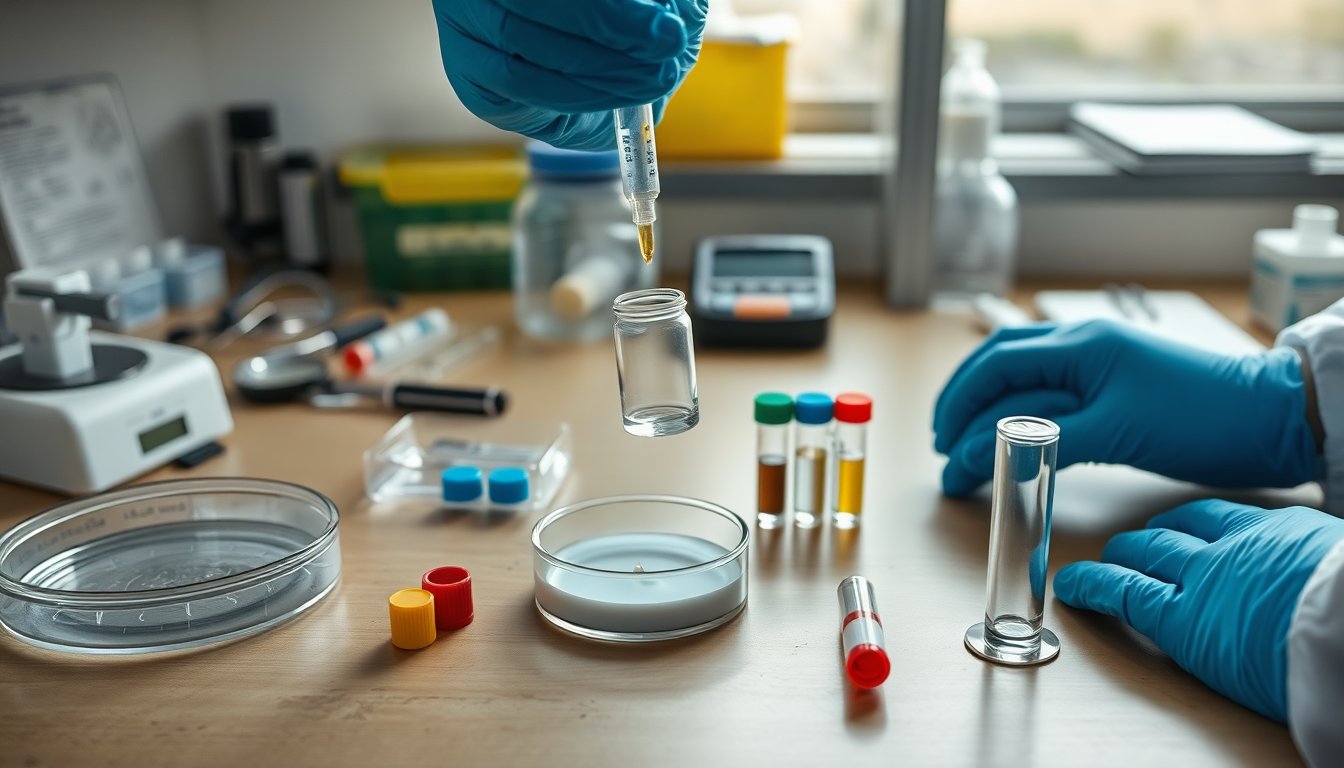
Finding such an amphibian-linked alkaloid is striking because these compounds are typically tied to remote ecosystems and aren’t widely available. Detecting them at trace levels requires specialized methods — high-resolution mass spectrometry and chromatographic separation among them — and careful cross-border laboratory cooperation. Those techniques identify molecules by their mass and fragmentation patterns, but they don’t by themselves reveal how or when a substance was administered.
Why this matters
Pinpointing a specific toxin narrows the field of plausible scenarios. It focuses investigators on supply chains, methods of extraction or synthesis, and possible points of transfer. It also changes the priorities for medical reviewers examining treatment and care in the days before Navalny’s death. But chemical detection alone does not complete the story: route, timing and responsibility require corroborating evidence — environmental swabs, custodial logs, communications, and rigorous chain-of-custody records.
Political ripple effects
The timing and public nature of the announcement make it more than a technical update; it is also a deliberate political signal. Released at a major security forum and on an anniversary, the findings are bound to shape diplomacy — from the tone of debates at upcoming meetings to decisions about sanctions, legal referrals, and bilateral relations with Russia.
Some critics both inside Russia and abroad questioned whether the timing served political objectives. Human-rights organizations, meanwhile, said the data reinforced long-standing concerns about how political prisoners are treated and intensified demands for independent, impartial investigations.
Technical background, briefly
– The compound: Trace amounts of a potent amphibian-derived alkaloid were identified. Experts did not name a single species, but noted that such molecules can disrupt cardiac and neurological function.
– The methods: Teams used chromatographic separation and high-resolution mass spectrometry to isolate and identify the compound from blood and tissue samples. These approaches are sensitive enough to detect trace exposure but cannot determine administration route or exact timing alone.
– Implications for inquiry: The chemical signature suggests access to specialized extraction or synthetic routes, which steers investigators toward specific supply and handling channels.
What investigators will do next
Authorities say they will:
– Re-examine chain-of-custody records for biological samples;
– Trace procurement or transfer of chemicals that could yield the identified alkaloid;
– Seek environmental and storage samples, and review communications and custody logs;
– Invite independent, accredited laboratories to verify findings to preserve confidence in the results.
Officials signaled allied partners will share analytical data and technical expertise. Public statements called for independent probes and impartial oversight to ensure the inquiry meets forensic standards and can withstand scrutiny.
Broader consequences and public reaction
The announcement intensified calls for international, independent inquiries. Proposals now on the table include expanded forensic reviews by third-party labs, coordinated legal steps, and joint teams to reconcile divergent results while preserving evidentiary continuity. Human-rights groups have pressed for unfettered access to original samples, full custodial records from the penal facility, and testimony from medical staff involved in Navalny’s care.
What the tests show
Laboratories working with samples from Navalny detected a rare alkaloid consistent with toxins produced by certain poison dart frogs. Officials from five countries reviewed the forensic results, clinical records and chain-of-custody documentation and judged it “highly likely” that exposure to that compound was the primary cause of death. Governments involved describe the chemical marker as strengthening a poisoning hypothesis over other explanations previously advanced.0
What the tests show
Laboratories working with samples from Navalny detected a rare alkaloid consistent with toxins produced by certain poison dart frogs. Officials from five countries reviewed the forensic results, clinical records and chain-of-custody documentation and judged it “highly likely” that exposure to that compound was the primary cause of death. Governments involved describe the chemical marker as strengthening a poisoning hypothesis over other explanations previously advanced.1
What the tests show
Laboratories working with samples from Navalny detected a rare alkaloid consistent with toxins produced by certain poison dart frogs. Officials from five countries reviewed the forensic results, clinical records and chain-of-custody documentation and judged it “highly likely” that exposure to that compound was the primary cause of death. Governments involved describe the chemical marker as strengthening a poisoning hypothesis over other explanations previously advanced.2
What the tests show
Laboratories working with samples from Navalny detected a rare alkaloid consistent with toxins produced by certain poison dart frogs. Officials from five countries reviewed the forensic results, clinical records and chain-of-custody documentation and judged it “highly likely” that exposure to that compound was the primary cause of death. Governments involved describe the chemical marker as strengthening a poisoning hypothesis over other explanations previously advanced.3
What the tests show
Laboratories working with samples from Navalny detected a rare alkaloid consistent with toxins produced by certain poison dart frogs. Officials from five countries reviewed the forensic results, clinical records and chain-of-custody documentation and judged it “highly likely” that exposure to that compound was the primary cause of death. Governments involved describe the chemical marker as strengthening a poisoning hypothesis over other explanations previously advanced.4