
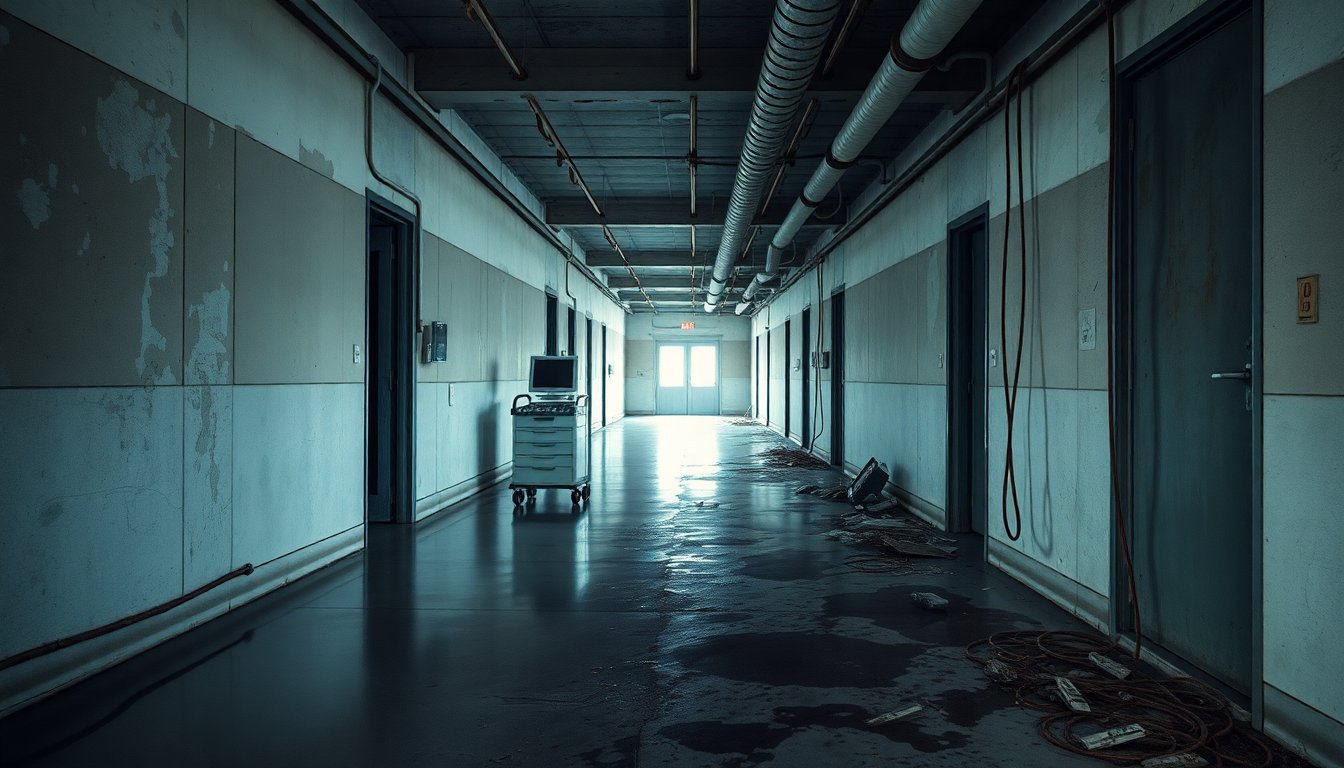
Resident Evil Requiem wants to pick up the franchise’s momentum—and it almost does. The game opens with a confident, polished sequence that hooks you right away: striking visuals, layered sound design, and tightly staged moments that promise the kind of dread and atmosphere fans expect. But after multiple playthroughs, a pattern emerges: the start thrills, the finish frays.
What works in the opening
The first hour or two of Requiem is lean and purposeful. Visual and audio cues arrive in concert, establishing a mood within minutes. Characters make quick, memorable impressions—distinct costumes, gestures and small beats do a lot of exposition for the game, sparing players long text dumps. Early encounters trade exploration for spikes of tension in short, satisfying cycles, which both teach mechanics and preserve suspense.
Onboarding here is smart: prompts and environmental hints shepherd newcomers, while optional side challenges reward veterans who want to dig deeper. Combat introductions feel economical—each fight demonstrates core systems without overwhelming resources or throwing arcane tactics at you. The production values are persuasive; lighting, ambient sound, and set dressing combine to make stakes feel immediate. Altogether, these choices ease players into the world and build genuine curiosity about what comes next.
The first half: confident design and texture
As the game unfolds, Requiem leans into focused design choices. Exploration is atmospheric without becoming aimless; encounters are choreographed to maximize tension; audio-visual direction is consistently on point. Puzzles are embedded into the environment instead of slapped on as distractions. Environmental storytelling carries much of the narrative load—scattered documents, props, and clever sightlines sketch out recent events and character motives without heavy-handed narration. These layered details reward careful players and help the world feel lived-in.
Technically, the game is tidy. Texture work and lighting guide attention; spatial audio supports both immersion and gameplay; animations and scripted beats punch when they need to. That polish reinforces the intended dread. Requiem opts for curated, cinematic moments over free-form resource management—an intentional trade-off that sharpens the experience but narrows the range of emergent play.
Where momentum slips in the second half
The trouble starts when the late game begins to recycle the early rhythms without meaningful variation. Set pieces retain their shine, but the novelty thins. The short, intense sequences that energized the opening stretch into longer runs that depend on familiar beats—fights, backtracking, and resource tedium—rather than fresh challenges. Environmental storytelling remains present, but when plot threads are reiterated instead of advanced, those atmospheric textures feel decorative rather than driving.
This repetition saps dramatic tension. Scenes that once landed with suspense begin to play like mechanical tasks, and the emotional payoff from major turns dulls. Pacing choices that paid dividends early—slow-burn discovery, scarce supplies—grow cumbersome when stretched past their natural point, resulting in stretches that prolong play without increasing stakes. The consequence is clear: the final acts lose some of the momentum the opening worked hard to build.
Narrative payoff and player investment
When the architecture of escalation loosens, so does emotional investment. Climaxes feel smaller when their buildup is cyclical or perfunctory. Mechanically, the game’s rhythms undermine escalation: what began as a careful tightening of tension becomes a set of obligatory hurdles. For players, that mismatch means key moments carry less weight—plot twists land with less punch because the structure around them has been diluted.
Lessons for franchises and future entries
Requiem’s uneven second half offers useful takeaways for any long-running series attempting a revival. First: pacing is a design problem, not an afterthought. Major revelations need proportional development across acts; give them room to breathe, and prune what doesn’t serve the arc. Second: be transparent with players about scope and optionality—clear signals about which content is essential can curb frustration and help players decide how much time to invest. Third: rigorous narrative QA and playtesting focused on emotional payoff can reveal where connective tissue is missing and where scenes feel undercooked. Finally: modular storytelling—self-contained arcs with meaningful interim resolutions—lets a franchise sustain momentum across multiple releases without shortchanging individual entries.
How pacing can power revivals
Requiem proves that technical craft and atmosphere can reignite a franchise. Its opening demonstrates what a tight design focus can accomplish: immersive tension, clear mechanical teaching, and rewarding exploration. To convert that beginning into a full-bodied experience, developers should compress the middle act, diversify encounters so each one advances the drama, and ensure resolutions feel earned rather than rushed or repetitive.
What works in the opening
The first hour or two of Requiem is lean and purposeful. Visual and audio cues arrive in concert, establishing a mood within minutes. Characters make quick, memorable impressions—distinct costumes, gestures and small beats do a lot of exposition for the game, sparing players long text dumps. Early encounters trade exploration for spikes of tension in short, satisfying cycles, which both teach mechanics and preserve suspense.0
What works in the opening
The first hour or two of Requiem is lean and purposeful. Visual and audio cues arrive in concert, establishing a mood within minutes. Characters make quick, memorable impressions—distinct costumes, gestures and small beats do a lot of exposition for the game, sparing players long text dumps. Early encounters trade exploration for spikes of tension in short, satisfying cycles, which both teach mechanics and preserve suspense.1