
Resident Evil Requiem tries to be both a capstone for longtime fans and a launchpad for the next era — and that tension is baked into everything from pacing to combat.
Premise and structure
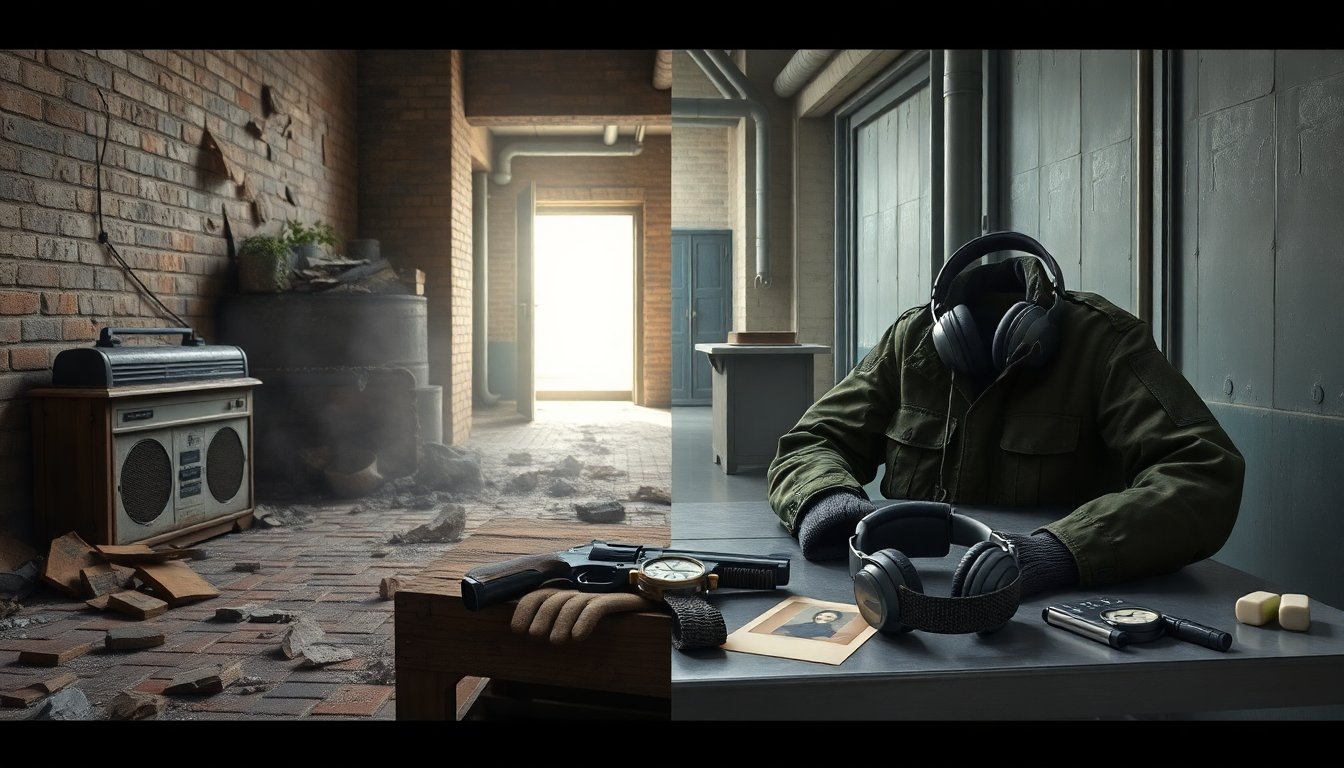
Requiem splits the campaign between two leads: a grizzled, experienced operative and a younger, less seasoned agent. The game uses that contrast to link three decades of series lore while intentionally flipping between two very different playstyles. Early chapters lean into classic survival-horror rhythms; later sections crank up the action and spectacle. That shift is deliberate, and it shapes how the story, levels and enemy encounters feel from one hour to the next.
Two heroes, two feels
One protagonist forces you to play cautiously: limited ammo, tight inventory, stealth and improvised crafting push exploration and patience. Those segments reward careful observation and environmental storytelling, echoing the franchise’s roots.
The other character is all about momentum — bigger guns, more melee options and scripted confrontations that favor fast reactions and showy set pieces. The alternating design creates a rhythm of tension and release: dread and resource-scarcity, then cathartic combat.
How it plays
Runs for focused players tend to land around 10–12 hours. The campaign’s pacing is compact: exploration sections build dread and demand trade-offs, while action scenes pivot the tempo abruptly. Level design leans on gated areas and protagonist-specific access, which encourages replaying the campaign with different approaches and rewards experimentation.
Where it shines
– Combat and systems: Upgrades, a light equipment economy and crisp encounter tuning keep the core loop engaging. Melee is punchy, and some set pieces are visually and tonally precise.
– Atmosphere: The first half nails the survival-horror vibe — slow dread, careful exploration and satisfying resource management.
– Replay value: Divergent paths and exclusive items per protagonist push you to revisit the story with fresh tactics.
Where it stumbles
– Tone and narrative cohesion: The game opens strongly but loses focus in the back half. Instead of building organic resolutions, the plot leans heavily on callbacks and recognition moments. That fan service often feels shoehorned in, creating abrupt tonal jolts and leaving several setups underexplained.
– Scripting vs. logic: Some late-game reveals prioritize spectacle over character consistency, which weakens emotional payoff for long-time fans invested in coherent closure.
– Repetition: A few boss battles and enemy patterns retread familiar ground, dulling some of the innovations introduced earlier.
What it means
For players who live for tight encounters and atmospheric exploration, Requiem delivers plenty of value. Completionists and mechanically-minded players will appreciate the resource-driven tension and upgrade paths. But anyone chasing a tidy, emotionally satisfying finale may walk away frustrated by the game’s reliance on nostalgia and rushed late revelations.
What’s next
Developers have been listening: patches and balance tweaks are already on the table to address pacing and encounter variety. Expect small fixes and clearer communication around difficulty and accessibility as the community digs in and shares detailed feedback. It proves the franchise can still surprise in systems and set design, but the finale’s heavy-handed fan service and uneven scripting keep it from being the definitive send-off some players hoped for.