
Table of Contents
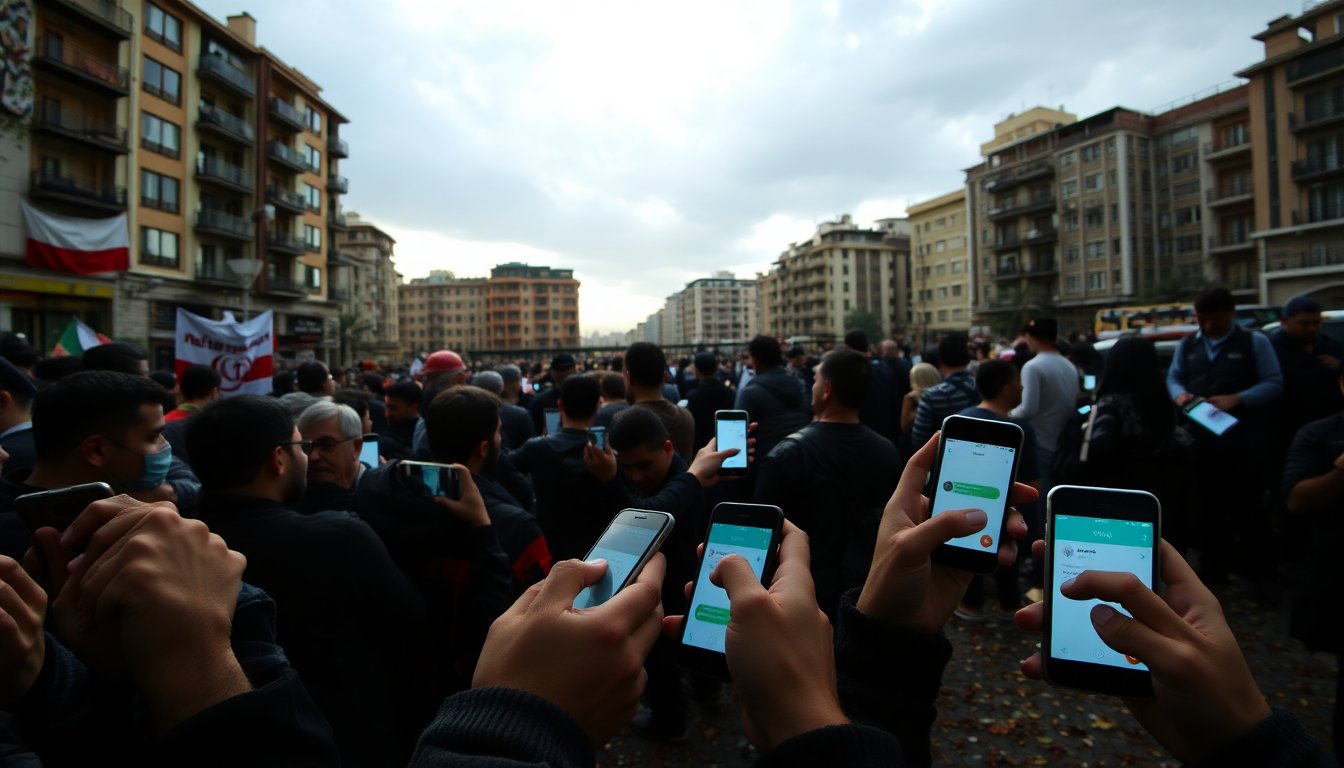
In a significant development, Iranians have regained the ability to make international calls via mobile phones for the first time in several days. This restoration of communication occurs during a period of intense nationwide protests, where reports indicate that the death toll has surged to over 2,000. Activists and local witnesses have described a heavy presence of security forces in central Tehran, indicating the government’s determination to maintain control amid the ongoing unrest.
The protests began as a response to Iran’s struggling economy but have evolved into a broader challenge to the government, fueled by anger over rising prices and economic mismanagement. As the protests continue to unfold, the Iranian authorities have implemented strict measures to suppress dissent and control the narrative.
Protests and their implications
According to the Human Rights Activists News Agency, which reports from within Iran, the protests have resulted in substantial casualties, with the majority of those killed being demonstrators. The Iranian government has not publicly disclosed the total number of casualties, making independent verification difficult due to internet restrictions that hinder communication and information flow.
Escalating violence and repression
Eyewitness accounts from Tehran reveal a chilling atmosphere, where anti-riot police, equipped with batons and firearms, patrol major intersections. The presence of plainclothes security officials adds to the climate of fear, as they monitor the streets for any signs of dissent. Reports of violence during protests have also included instances of government buildings being set ablaze, further exacerbating the chaos.
International response and diplomatic tensions
With the situation in Iran deteriorating, the international community, particularly the United States, has expressed deep concern. President Trump has indicated that the U.S. is closely monitoring the situation and is prepared to respond if the Iranian government continues its violent crackdown on protesters. Meanwhile, Iran’s leadership has issued defiant statements, accusing the U.S. of meddling in its internal affairs.
Economic factors fueling unrest
The economic backdrop of these protests is critical to understanding their intensity. Iran’s currency, the rial, has plummeted in value, leading to soaring inflation and skyrocketing prices for essential goods. This economic hardship has particularly affected the lower and middle classes, who are now facing extraordinary financial pressures. The government’s recent changes to gasoline pricing have further fueled public outrage, leading to widespread demonstrations that challenge the very foundation of the current regime.
As the protests spread across all 31 provinces of Iran, their scale has prompted fears of a more significant uprising against the ruling theocracy. Activists have reported that nearly 600 separate protests have occurred, reflecting a nationwide wave of discontent that shows no signs of abating.
Looking ahead: the future of protests in Iran
The ongoing unrest in Iran has raised significant questions about the future of the country and its leadership. While the government has attempted to quell demonstrations through force, the resilience of the protesters suggests a growing desire for change among the Iranian populace. Many young people express a sense of hopelessness, yet they remain committed to continuing their fight for justice and reform.
As communication channels reopen, the world will be watching closely to see how Iran’s government responds to the growing demands for change. The potential for dialogue and negotiation hangs in the balance, as both domestic and international pressures mount. The outcome of this turmoil could shape the trajectory of Iran for years to come, with the possibility of either repression or reform looming large on the horizon.