
Table of Contents
In the heart of British culture lies the traditional pub, a space where communities gather, stories are shared, and friendships flourish. Recently, Nigel Farage, the leader of Reform UK, has embarked on a campaign to protect and rejuvenate these cherished establishments. His initiative resonates with many voters who hold sentimental attachments to their local pubs, making it a significant topic in the political landscape.
Farage’s campaign underscores a broader trend where political figures seek to connect with the everyday experiences of the populace. With his background as a well-known figure advocating for Brexit, Farage is leveraging his public image as a self-proclaimed pint enthusiast to position himself as the savior of the pub industry.
Understanding the role of pubs in British society
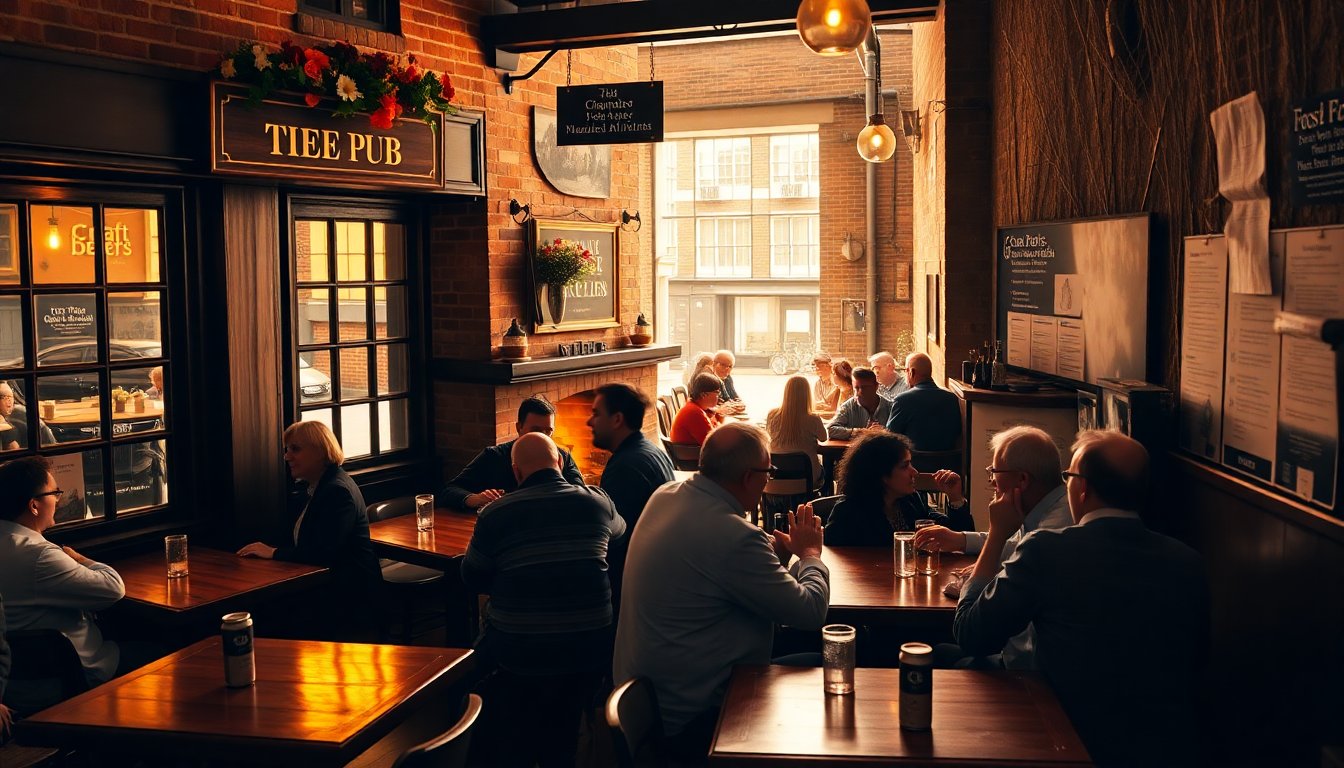
Pubs have long served as vital institutions within British communities, acting as social hubs that offer a sense of belonging. These venues have traditionally provided more than just food and drink; they foster social interactions and support local economies. However, the challenges posed by modern life, including the rise of online entertainment and changing consumer habits, have placed immense pressure on these establishments.
Farage’s advocacy comes at a time when many pubs are struggling to stay afloat amid increasing operational costs and declining patronage. His approach emphasizes the need for government support to ensure that these local treasures do not fall victim to economic forces that threaten their existence.
Reforming policies for pub preservation
During his campaign, Farage has proposed several policy reforms aimed at alleviating the burdens faced by pub owners. These include advocating for lower taxes on alcohol sales and reducing bureaucratic red tape that complicates the operation of local pubs. By simplifying regulations, Farage believes that more entrepreneurs will be encouraged to open and maintain pub establishments.
Moreover, Farage’s campaign highlights the importance of pubs in enhancing community cohesion. He argues that maintaining these venues is crucial for preserving the unique fabric of British culture, where social interactions occur face-to-face rather than through digital screens. Through his efforts, he aims to stimulate public interest and participation in local pub culture.
Political implications of Farage’s campaign
While Farage’s mission to revive the pub scene taps into an emotional wellspring for many voters, it also serves a political purpose. By championing the cause of pubs, he positions himself as a relatable figure who understands the struggles of ordinary citizens. This strategy could potentially sway undecided voters who value community and tradition.
His campaign also reflects broader discussions within the Labour Party and other political factions, as they too recognize the significance of local establishments in their constituencies. Observers note that if Farage successfully galvanizes support around this issue, it could challenge traditional party lines and reshape the political dynamics in the UK.
Connecting with the electorate
Farage’s connection to the pub culture is not merely a political maneuver; it is deeply personal. As a self-identified pint-swilling advocate, he embodies the quintessential British pub-goer. This authenticity resonates with voters who appreciate leaders who reflect their lifestyles and values.
In an era where political disillusionment is rampant, Farage’s approach to pub revitalization presents a refreshing narrative. He illustrates how connecting with local heritage can create a bridge between politicians and the electorate, fostering a sense of community engagement and shared purpose.
Farage’s campaign underscores a broader trend where political figures seek to connect with the everyday experiences of the populace. With his background as a well-known figure advocating for Brexit, Farage is leveraging his public image as a self-proclaimed pint enthusiast to position himself as the savior of the pub industry.0