
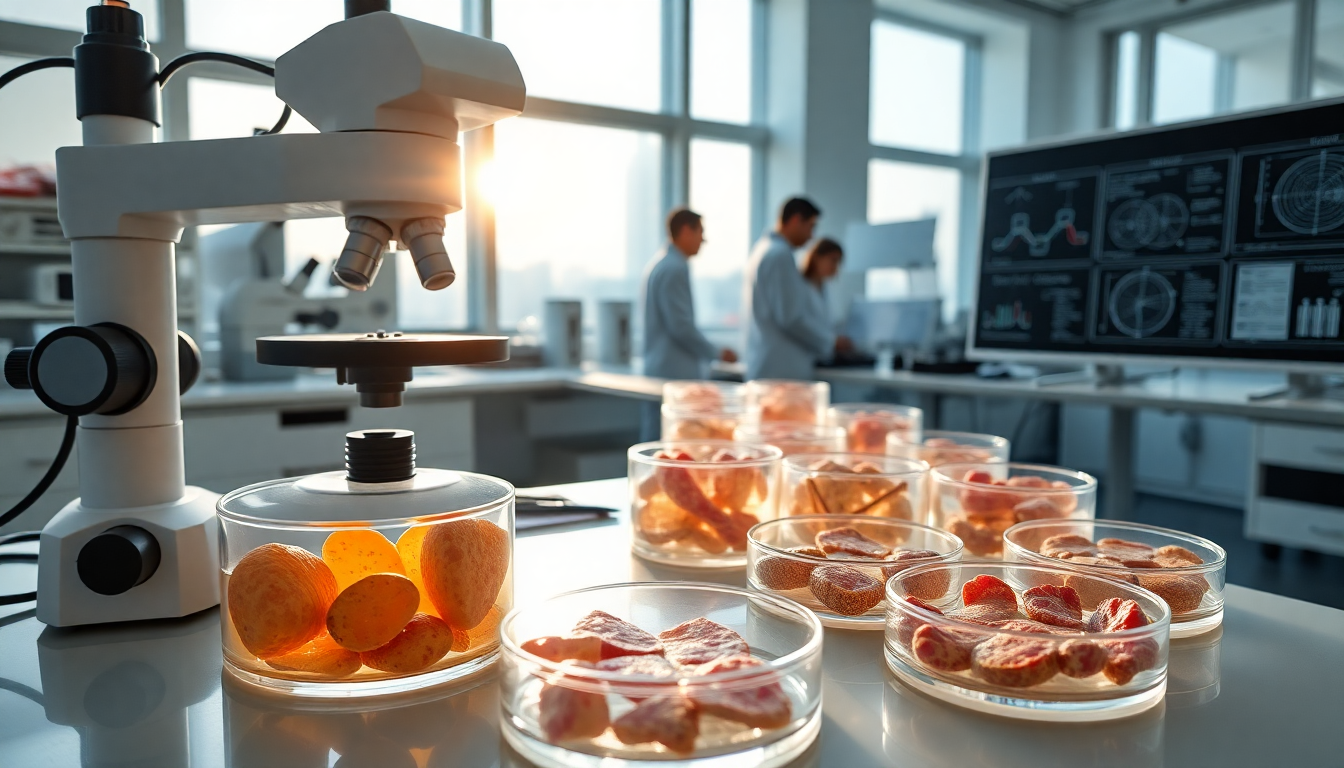
Have you ever wondered how doctors see inside our bodies? Recent advancements in medical imaging are changing the game with a revolutionary technique that makes organs transparent while keeping their biological structure intact. A team from Tsinghua University is at the forefront of this innovation, creating incredibly clear three-dimensional images of biological tissues. But this isn’t just about pretty pictures; it could dramatically improve diagnostic capabilities and research methods in medicine.
Get to Know the New Organ Transparency Technique
So, what’s the secret behind this technique? It revolves around preparing ionic glassy tissue that remains highly transparent without losing the original shape and structure of the tissue. The magic ingredient here is fluorescent dyes, which help illuminate different cells and molecules within the tissues. It’s the enhanced brightness of these dyes that really makes the images pop!
What’s even cooler is that this method works at low temperatures, turning biological tissues into a glassy solid. This unique transformation not only keeps the tissues intact but also allows for long-term storage. Imagine having a way to preserve samples for future research and medical applications—this could be a game changer! As imaging technology advances, techniques like this have the potential to reshape how we visualize and comprehend the complexities of biological systems.
Why Accurate Imaging Matters in Medicine
Accurate imaging is a cornerstone of modern medicine. It plays a crucial role in diagnosis, treatment planning, and ultimately affects patient outcomes. With the enhanced imaging capabilities of this new method, doctors can identify diseases more effectively, monitor treatment progress with precision, and improve the overall quality of care for patients.
Moreover, this technique’s ability to preserve the integrity of biological tissues while imaging opens up new research opportunities. Scientists and medical professionals can dive deeper into studying the structures and functions of organs, which could lead to breakthroughs that transform our understanding of human health and disease. Isn’t it exciting to think about what discoveries might be just around the corner?
The Future: What’s Next for This Technology?
Looking ahead, the possibilities for this technology are enormous. From enhancing diagnostic imaging in pathology to pushing the boundaries of regenerative medicine research, the implications are profound. As the medical community continues to explore this new method’s capabilities, we can expect developments that refine imaging techniques, boost accuracy, and ultimately lead to better health outcomes.
In conclusion, this innovative organ transparency method marks a significant leap forward in medical imaging. By preserving tissue structure while enhancing visualization, this technique not only promises to improve existing imaging practices but also opens the door to exciting future advancements in medical research and diagnostics. Who knows what the next breakthrough will be?


