
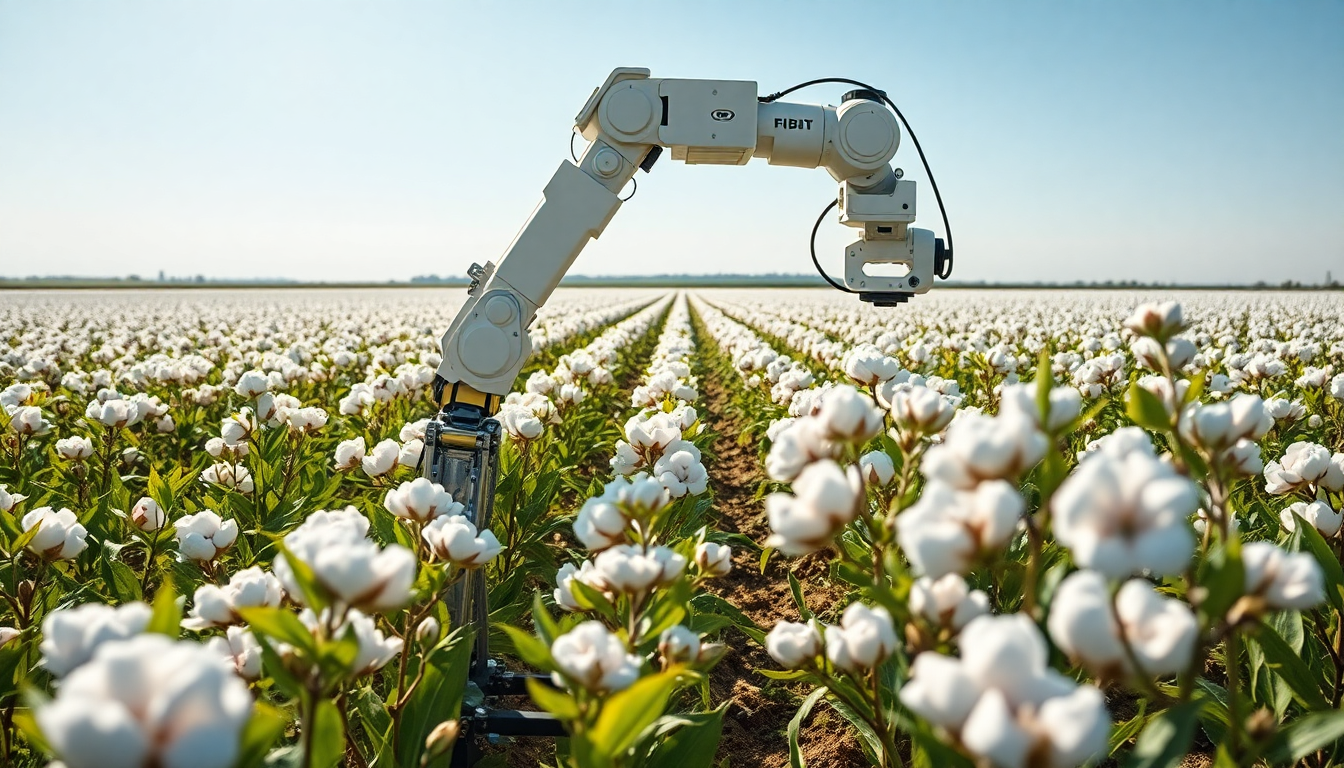
Have you ever wondered how technology is reshaping the way we grow our food? The agricultural industry is experiencing a remarkable transformation, especially in cotton farming, thanks to innovative robotic systems. These advanced machines are stepping in to automate labor-intensive processes, and they come equipped with cutting-edge laser technology. The result? Enhanced efficiency, reduced crop damage, and improved yields. As we explore this fascinating development, it’s clear that the future of farming may be more automated and precise than ever before.
The Challenges of Traditional Cotton Topping
Cotton topping, which involves removing the top bud of the cotton plant, has always been a tricky task for farmers. It’s a crucial step that helps redirect nutrients to the lateral branches, ultimately boosting boll formation and increasing yield. However, traditional methods often fall short, leading to inefficiencies and sometimes even harming the plants. It’s no wonder there’s a growing demand for better solutions in cotton production!
Enter a groundbreaking robotic system designed to tackle these challenges directly. By automating the topping process, this technology looks to reduce labor while maximizing precision. A pilot program currently underway in Changji, Xinjiang, showcases the potential of robotics in agriculture, although we’re not quite there yet with commercial availability.
How the Robotic System Works
So, how does this innovative system actually work? At its core is a robotic device that resembles a mobile canopy. It uses advanced solid-state lidar technology—which stands for light detection and ranging—along with sophisticated machine vision systems. This combo allows the robot to accurately identify the terminal cotton bud and employ a high-powered blue laser to vaporize it, all without touching the plant.
But here’s where it gets interesting: the task is made all the more complex by the variability in plant heights and their movement in the wind. Zhou Jianping, the leader of the development team at Xinjiang University, aptly described this operation as akin to “hitting a moving target with a moving gun.” Despite these hurdles, the robot has shown remarkable accuracy, detecting buds with a stunning 98.9% success rate while keeping plant damage below 3%. Plus, the topping success rate exceeds 82%, proving that this robotic approach is not just a gimmick.
The Future of Robotic Cotton Farming
As the agricultural sector continues to embrace automation, the implications of this technology stretch far beyond just cotton farming. The success and accuracy of this robotic system could pave the way for similar innovations across a variety of crops and farming practices. Imagine the potential for increased yields, reduced labor costs, and minimized crop damage—it’s a compelling case for adopting such technologies on a larger scale!
Looking ahead, as the pilot program advances and commercial availability becomes a reality, we can expect a significant shift in how cotton is cultivated. This transformation is not just about automation; it highlights the essential role of technology in solving the challenges that farmers face today. As these advancements unfold, we might just witness a redefinition of the agricultural landscape, setting the stage for a more efficient and sustainable future. Are you ready for the revolution in farming?


