
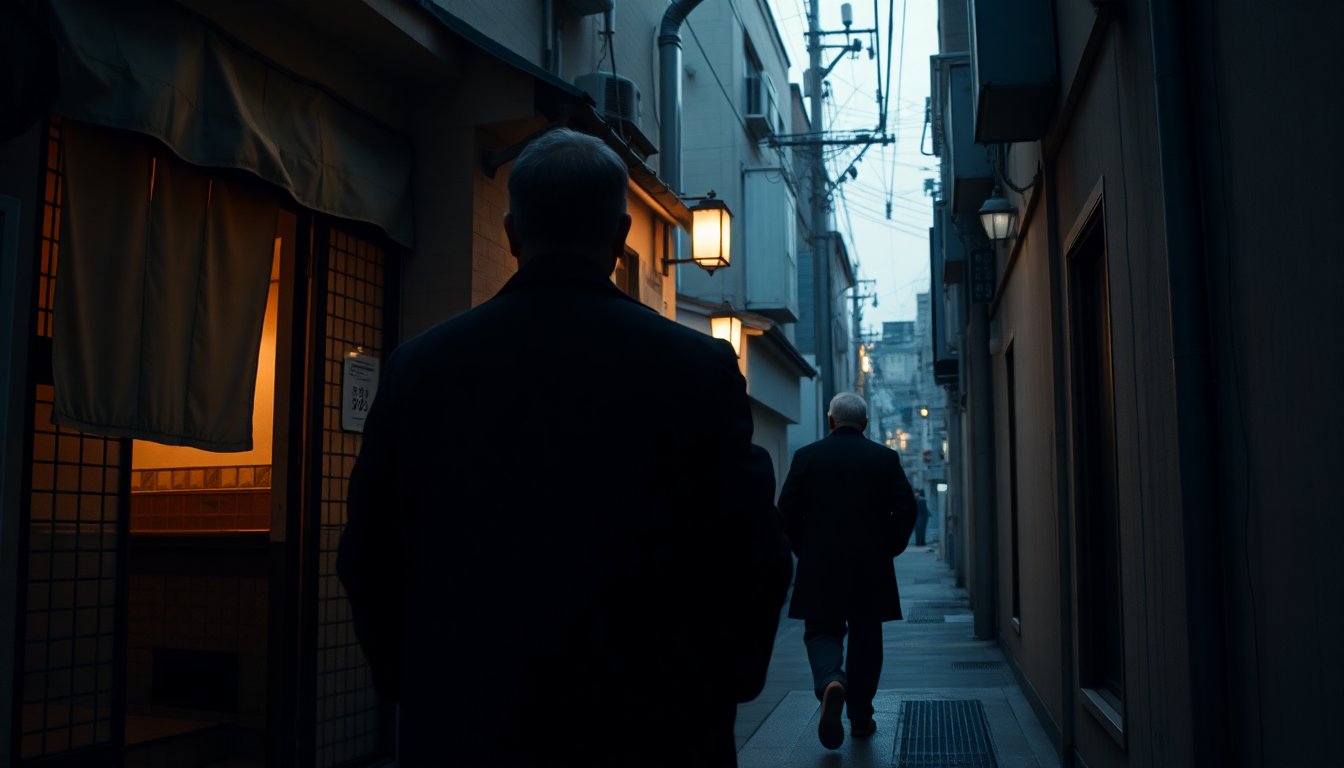
The increase in global fuel prices has put a bright spotlight on an often-overlooked part of Japan’s urban fabric: the traditional public bathhouses. Known locally as sento, these communal baths have served as neighborhood meeting places and affordable wellness hubs for generations. Today, however, many face a harsh new reality as energy costs rise following disruptions to oil supplies in the Middle East. Those disruptions have affected tanker traffic through the Strait of Hormuz, driving up global crude prices and tightening deliveries of fuel oil to smaller operators.
For some sento, the squeeze is immediate. Family-run establishments that once relied on predictable fuel deliveries are now managing reduced volumes and increasing bills, while unable to transfer the extra expense to patrons because of legally capped fees. The consequences range from delayed openings and shortened hours to plans for permanent closure. Against a backdrop of aging proprietors and declining customer numbers, the current fuel shock threatens to accelerate a long-term decline that cultural advocates have been warning about for years.
How supply shocks are hitting neighborhood baths
The practical effects of the fuel shortage can be seen in specific shops where daily routines have been upended. At Ikesu Onsen in Tsushima, Aichi Prefecture—an establishment founded in 1919—monthly deliveries of fuel oil were reportedly cut by about half, forcing the owners to push back opening times by an hour since late March. The reduction in service has translated into roughly ten fewer visitors a day, shrinking already thin margins. Operators say they must accept the volume and price offered by suppliers, leaving little room to plan around volatility in the global markets that have been disrupted by the geopolitical crisis involving the United States, Israel and Iran.
Aging workforce, capped prices and structural vulnerability
The industry faces structural disadvantages beyond the immediate fuel shortage. Many sento are run by elderly managers with no clear successors, a demographic trend that compounds operational fragility. Under postwar anti-inflation frameworks, fees for communal baths are constrained by decisions made by prefectural governors, so operators cannot simply raise prices to absorb higher energy bills. According to the Japan National Sento Association, roughly 30 percent of bathhouses still rely on fuel oil boilers, and the total number of sento has fallen to about a twelfth of its peak from nearly 60 years ago. That long decline leaves far fewer businesses able to withstand shocks.
Local closures and owners’ testimonies
The toll on individual businesses has become concrete. In the northeastern city of Aomori, Katsuragi Onsen announced plans to cease operations at the end of May, citing rapidly rising fuel bills and the cost of maintaining aging facilities. Managers such as 57-year-old Atsuko Matsui and 57-year-old Masayoshi Yamaguchi have described the situation as untenable: even with steady customer numbers, escalating weekly fuel prices and constrained deliveries make it impossible to balance books. Their experiences underscore how a global supply shock cascades into hourly schedules, maintenance backlogs, and ultimately decisions about survival.
Paths forward and practical options
Some operators and observers point to potential remedies, though none are simple. Options include transitioning away from oil-fired boilers toward alternatives such as electric systems or biomass, but those retrofits require upfront capital many small owners lack. Policy adjustments—temporary relief on regulated fees, targeted subsidies for energy costs, or expedited support for equipment upgrades—could provide breathing room. Local communities might also mobilize through fundraising or cooperative ownership models to preserve neighborhood assets. Each approach presents trade-offs between cultural preservation, fiscal realism, and environmental considerations.
Preserving a cultural practice under pressure
The struggle of Japan’s sento is both economic and cultural. Beyond bathing, these places function as social spaces that knit neighborhoods together; losing them would erase more than a service. As prices remain volatile and long-term demographic trends continue, the immediate crisis highlights deeper questions about how to sustain traditional institutions. Whether through policy intervention, technological change, or community action, the future of the communal bath depends on coordinated responses that address both rising energy costs and the structural constraints imposed by decades-old regulations.
Ultimately, the fate of these establishments will be decided by a mix of market forces, public policy, and local will. For now, owners juggling deliveries, customers and aging infrastructure face a stark choice: adapt quickly, secure support, or close the doors on a piece of daily life that has persisted for generations. The coming months will likely determine whether the sento survives this crisis or joins the long list of vanishing cultural institutions.


