
Table of Contents
In a proactive move against the growing threat of the chikungunya virus, Hong Kong’s government is stepping up its game by incorporating cutting-edge technology into its mosquito control strategy. Environment Secretary Tse Chin-wan recently announced an exciting initiative that involves deploying robotic dogs to support mosquito control teams. With the number of imported chikungunya cases on the rise, this innovative approach is more important than ever to safeguard public health.
Robotic Dogs: A New Frontier in Mosquito Control
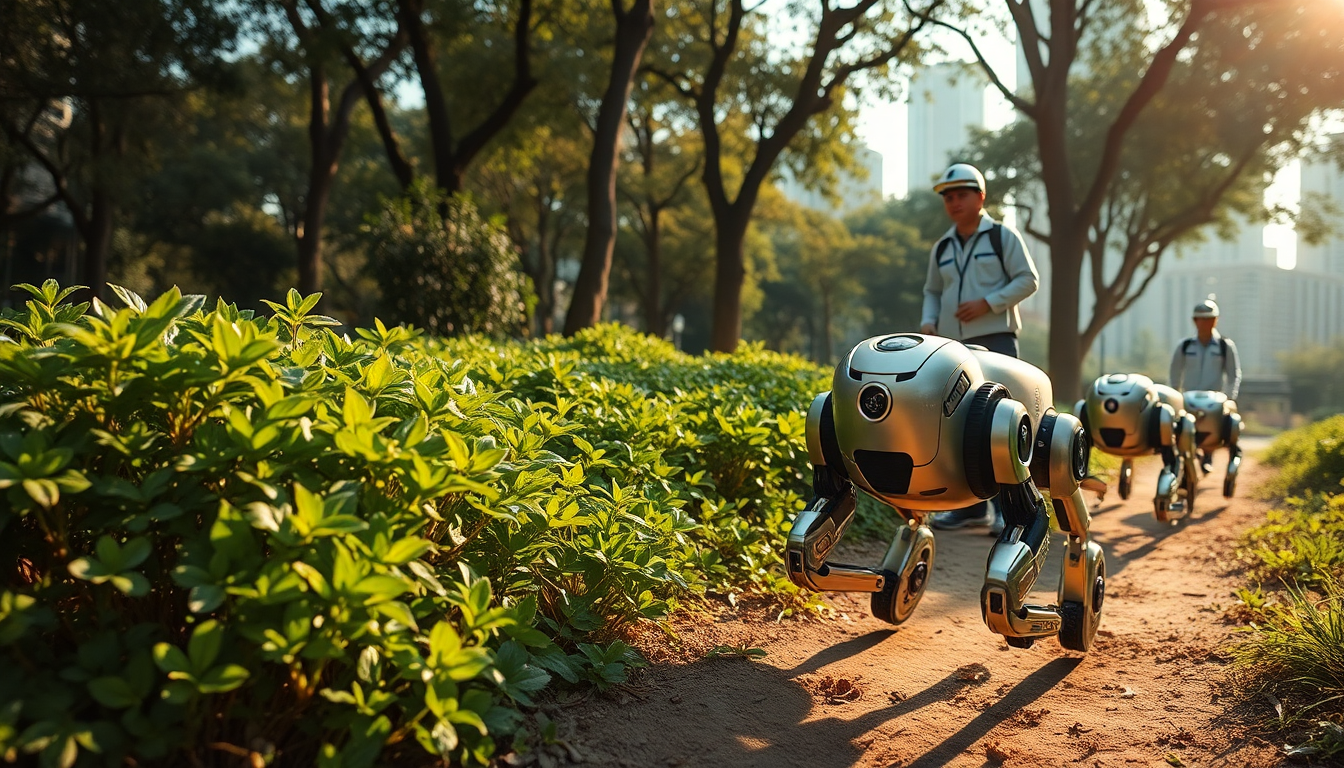
Starting next month, Hong Kong will trial these robotic dogs, which are specifically designed to carry and spray insecticide in tricky terrains, like hilly areas that are hard for control teams to access on foot. This initiative aims to lighten the load for frontline staff, especially during the hot summer months when mosquitoes are most active. Tse Chin-wan highlighted that this technology is part of a broader effort to modernize the city’s mosquito control methods, which have traditionally relied on more conventional approaches.
In a recent radio interview, Tse elaborated on the advantages of using robotic assistance in the fight against mosquitoes. These robotic dogs are set to operate in various locations where human access is limited, ensuring effective insecticide distribution even in the most rugged environments. If the trial proves successful, plans are already in motion to expand the use of these high-tech units throughout the city.
The Context of Chikungunya Virus in Hong Kong
The chikungunya virus, which spreads through mosquito bites, has seen a troubling increase in imported cases in Hong Kong. With nine confirmed cases reported recently, health officials are acting swiftly to contain potential outbreaks. The government’s response echoes past efforts during dengue fever outbreaks, where strict mosquito control measures were put in place to curb the spread of disease.
Tse expressed confidence in managing the chikungunya situation effectively, citing the historical success of existing control measures. However, the incorporation of robotic technology marks a significant evolution in strategy, aiming not just to tackle immediate threats but also to prepare for future challenges posed by mosquito-borne diseases.
Future Developments in Mosquito Control Technology
As the trial of robotic dogs unfolds, the Hong Kong government is committed to exploring even more technological advancements in mosquito control. This initiative showcases the city’s readiness to embrace innovation in public health measures. By integrating robotics into their current strategies, authorities hope to boost the effectiveness of their efforts while ensuring the safety of frontline workers.
The potential for these robotic units to work alongside human teams could signify a major leap forward in urban pest management. As the trial progresses, the government will keep a close eye on the results and effectiveness, providing valuable data that could shape future investments in mosquito control technology.
In conclusion, the deployment of robotic dogs in Hong Kong’s mosquito control efforts represents a pivotal step toward enhancing public health safety. By harnessing technology, the city aims not only to tackle the current chikungunya threat but also to set the stage for future health initiatives that prioritize innovation and efficiency. Isn’t it fascinating how technology can change the way we handle public health challenges?