
Table of Contents
During what was intended to be a routine flight, passengers traveling from Amsterdam to the Caribbean encountered an unusual situation—a rat. This incident not only startled travelers but also led to the cancellation of their onward journey to Bonaire, highlighting the airline’s commitment to passenger safety.
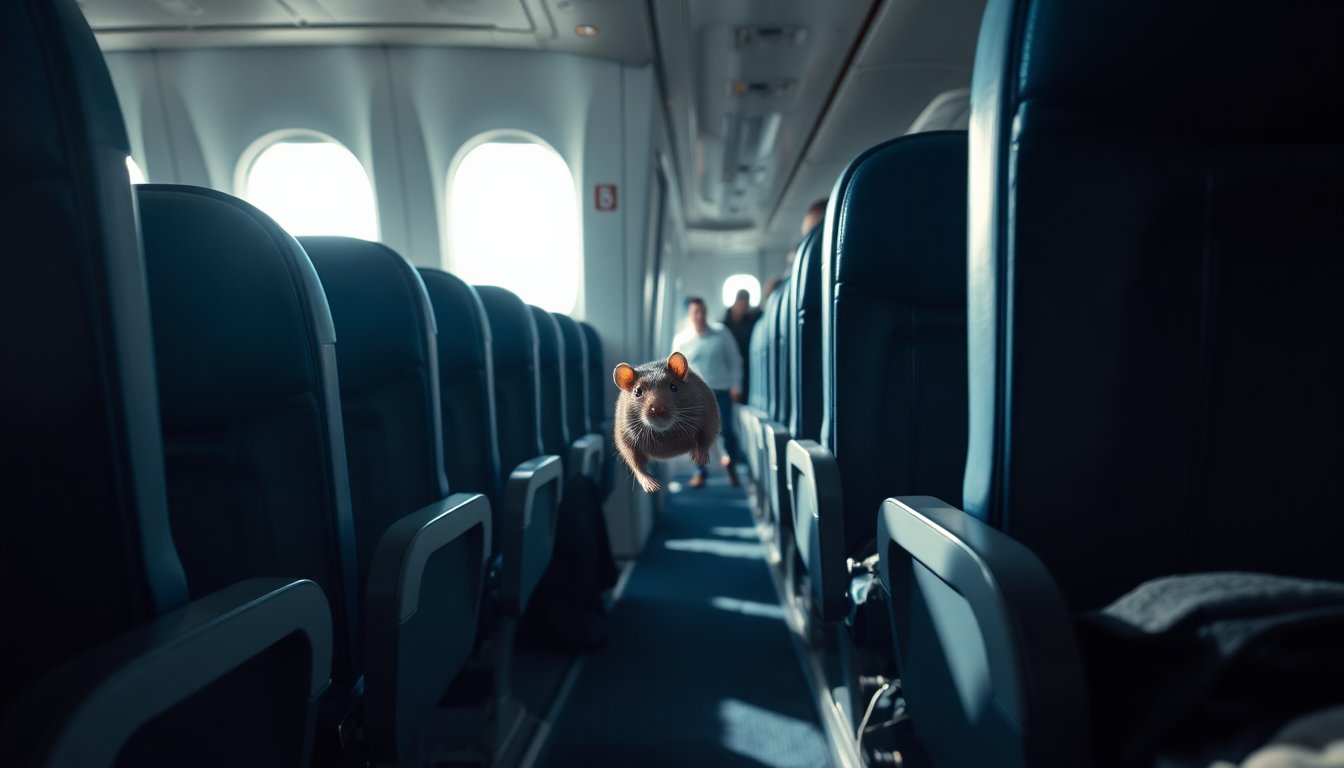
On a recent KLM flight bound for Aruba, both cabin crew and passengers were surprised when a rat was spotted scurrying across the cabin. This unexpected interruption occurred while the aircraft was in mid-air, with the rodent reportedly seen navigating the overhead curtain track.
The unexpected rodent incident
This unusual encounter took place while the flight was over the ocean. A spokesperson for KLM confirmed the situation, noting that the airline had not encountered such an incident before. While the aircraft continued its journey, the crew worked to keep passengers calm, carefully monitoring the rat’s movements.
Upon landing in Aruba, the aircraft was scheduled to return to Amsterdam. However, the presence of the rat required immediate action. The airline decided to cancel the return flight to conduct a thorough cleaning of the aircraft to ensure the safety and health of passengers and crew. The spokesperson emphasized the airline’s priority on the well-being of everyone on board.
Health risks associated with rodents
Rats can carry various diseases, including leptospirosis, salmonellosis, and other bacterial and viral infections that pose significant health risks. The Centers for Disease Control and Prevention (CDC) notes that these rodents can also transmit rat-bite fever (RBF), which may result in flu-like symptoms such as fever, vomiting, and muscle pain.
Passengers are understandably concerned about health risks when a rodent is present in a confined space like an airplane cabin. The CDC highlights that RBF can be transmitted through bites, scratches, or contact with the saliva or urine of an infected rodent. This further underscores the need for airlines to address such incidents with urgency.
Impact on passengers
The flight’s cancellation left over 250 passengers stranded, who were initially expected to continue their journey to Amsterdam via Bonaire. KLM arranged accommodations for these travelers, but the disruption caused significant inconvenience. Many passengers expressed frustration, acknowledging that while such occurrences are rare, they are highly unsettling.
In an era where health and safety are paramount, airlines face increased scrutiny regarding their protocols for managing potential hazards onboard. KLM’s prompt decision to cancel the flight reflects their commitment to ensuring a safe travel environment for all. The airline’s spokesperson reiterated their readiness to assist passengers seeking compensation for the disruption.
Looking ahead: Lessons learned
This incident serves as a reminder of the unexpected challenges airlines may face and the importance of having robust protocols for unusual situations. As travelers navigate the complexities of air travel, their safety must remain a top priority.
Airlines will need to stay vigilant in preventing such occurrences and ensuring thorough inspections and maintenance of their aircraft. The traveling community hopes that such an event will not recur as they continue their journeys.