
Table of Contents
In a significant development, Russian law enforcement has detained Mikhail Shcherbak, a senior executive at Rosatom, on serious allegations of financing military operations in Ukraine. This event underscores the intricate relationship between Russia’s nuclear energy sector and ongoing geopolitical conflicts.
Shcherbak, who has served Rosatom for nearly twenty years, was the director of capital construction at Atomstroyexport, a subsidiary responsible for managing engineering projects within Rosatom. His extensive experience includes involvement in nuclear construction projects both domestically and internationally, particularly in Belarus and Iran.
Details surrounding the arrest
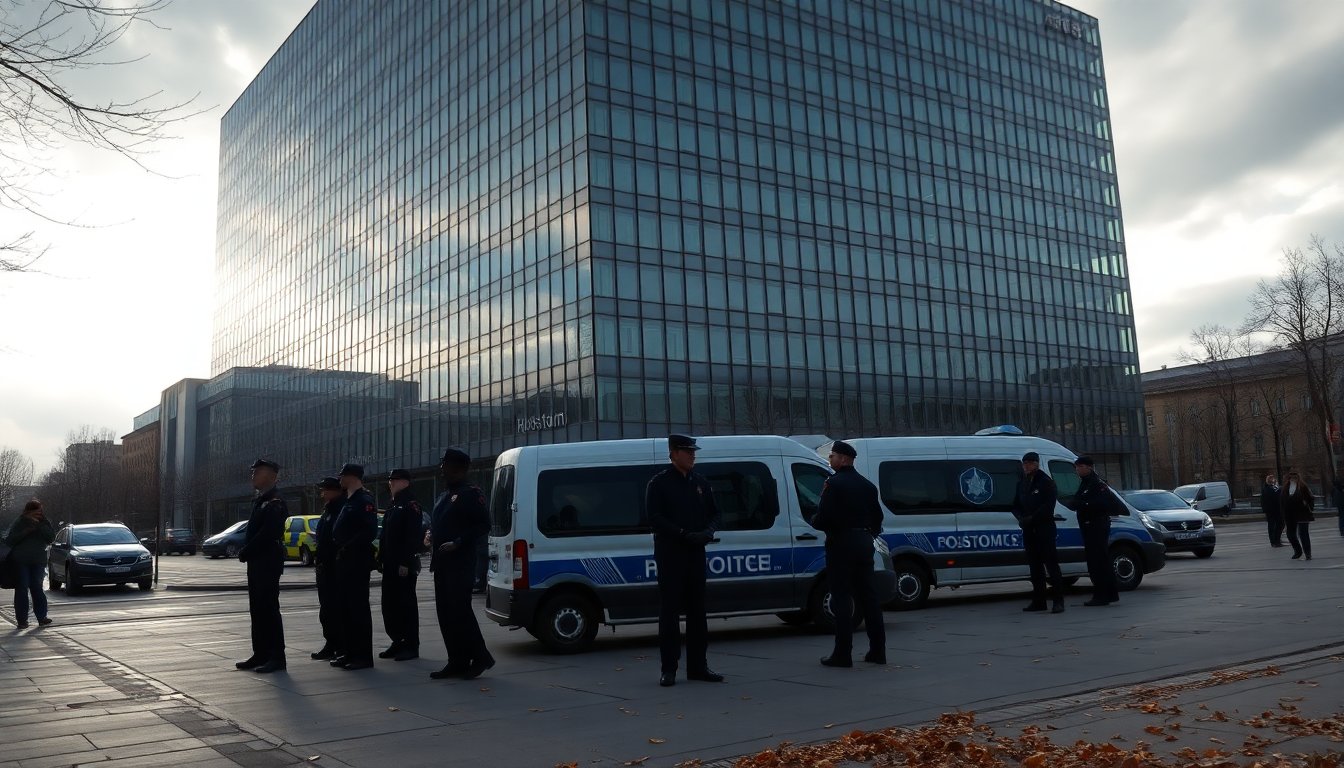
The arrest occurred on Friday when federal agents apprehended Shcherbak during an investigation into allegations of financial support to Ukraine’s military. Rosatom has publicly acknowledged the detention and stated it is cooperating fully with the ongoing federal inquiry. This incident raises pressing questions about the integrity and oversight of financial practices within such a critical sector.
Rosatom’s international projects
Atomstroyexport plays an essential role in constructing nuclear facilities not only in Russia but also globally. According to its official website, an impressive 80 percent of Atomstroyexport’s revenue comes from international projects. The company is currently involved in constructing at least ten nuclear power plants, including the prominent Kudankulam facility in India and the Akkuyu plant in Turkey. However, the company has faced challenges, such as protests from subcontractor workers in Turkey over unpaid wages, which Rosatom attributed to the actions of ‘unfriendly countries’ competing against Russian energy initiatives.
Historical context of nuclear ventures
Atomstroyexport’s involvement extends to the Bushehr nuclear plant in Iran, which has a complex history tied to geopolitical shifts. Initially launched in the 1970s with German collaboration, the project was halted following the Islamic Revolution. In 1998, Atomstroyexport resumed work, eventually leading to a bilateral agreement in November 2014 for the construction of two additional reactor units. Despite regional tensions, construction has continued, although there were temporary evacuations of staff during military operations in June.
Shcherbak’s career trajectory
Throughout his extensive career, Shcherbak transitioned from managing domestic projects to overseeing significant international endeavors. For instance, border control records indicate he traveled to Iran in 2014 to facilitate the expansion of the Bushehr project. By 2015, he was instrumental in managing the financing of the Astravets Nuclear Power Plant in Belarus. Recently, since late, he has made several trips to Abkhazia, focusing on projects that include constructing a medical center and developing specialized science classrooms in local educational institutions.
Implications of the arrest
The implications of Shcherbak’s arrest extend beyond individual accountability, highlighting systemic issues within the nuclear sector. As the world witnesses increasing scrutiny over the financing of military endeavors, this incident raises concerns regarding the regulatory frameworks governing state-owned enterprises. The ongoing investigation will likely lead to heightened attention on the practices of Rosatom and its subsidiaries.
The detention of Mikhail Shcherbak marks a pivotal moment for the Russian nuclear industry and its international engagements. As geopolitical tensions continue to rise, the intersection of energy production and military funding remains a critical area for oversight and reform.