
Table of Contents
As the Winter Olympics unfold in Milan Cortina, the participation of Russian athletes prompts significant discussions. Ongoing sanctions stemming from geopolitical tensions, particularly following Russia’s invasion of Ukraine, complicate their involvement. This year’s event features 13 athletes from Russia competing as neutral athletes, while a larger number of Olympians born in Russia have chosen to represent other nations.
This situation underscores the intricate relationship between sports and international diplomacy, where athletes often find themselves navigating the complexities of politics and personal aspirations. This article explores the implications of Russian participation in the Olympics, the international community’s response, and the broader narrative surrounding sports during times of conflict.
The neutral athletes and their journey to the Olympics
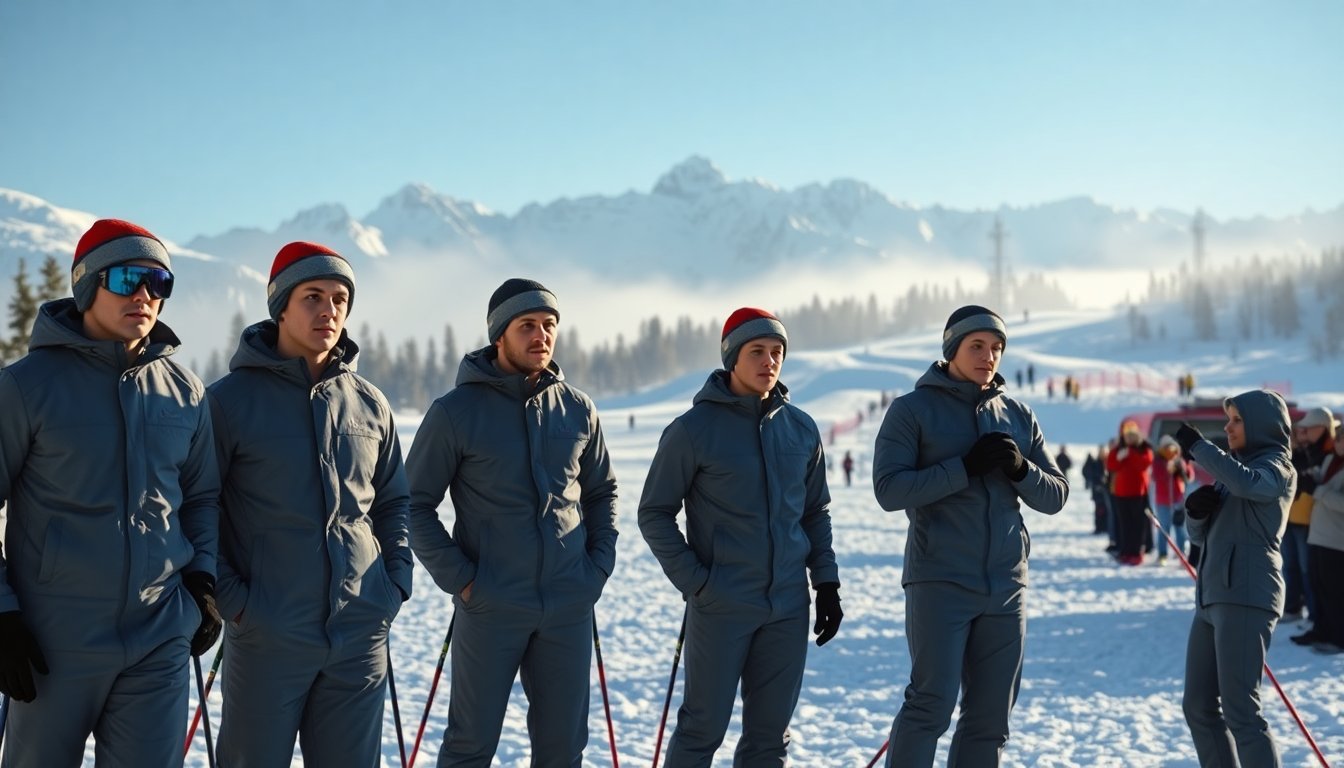
To comply with international regulations, Russian athletes at this year’s Olympics are competing as neutrals. This status allows them to participate without directly representing their country. The International Olympic Committee (IOC) sanctioned this arrangement to balance the integrity of the games with the current geopolitical landscape. These athletes, spanning various winter sports, have trained rigorously in pursuit of Olympic glory.
Challenges faced by Russian athletes
Despite their allowance to compete, Russian athletes encounter numerous challenges. The stigma of competing as neutrals and the emotional toll of distancing from their national identity can be substantial. Many express a desire to represent Russia openly but recognize the constraints imposed upon them. They navigate a web of political ramifications that affects their careers and personal identities.
Interestingly, while 13 athletes compete as neutrals, approximately three times that number, who were born in Russia, are representing other countries. This trend illustrates a significant shift in national representation at the Olympics, as athletes seek opportunities to showcase their talents free from national controversies.
International reactions to Russian participation
The presence of Russian athletes at the Olympics has elicited varied reactions from stakeholders. Some view their participation as a necessary step toward inclusivity and healing in a divided world, while others see it as contradictory to fair play and sportsmanship principles. This debate highlights the ongoing struggle between the ideals of the Olympic movement and the harsh realities of international relations.
Protests and public sentiment
In Milan, public sentiment has vocally opposed the involvement of Russian athletes. Protests have erupted, with demonstrators advocating for a complete ban on Russian participation due to the ongoing conflict in Ukraine. These protests signify broader discontent with the normalization of Russian athletes’ presence, as many believe that allowing them to compete undermines the seriousness of the geopolitical situation.
The city of Milan has become a focal point for these sentiments, as activists argue that the Olympic Games should not serve as a platform for nations involved in military aggression. The local government, alongside various political parties, is grappling with how to balance the celebration of sports with the need to stand in solidarity against aggression. Prominent political figures have voiced concerns, emphasizing that even one Russian athlete is too many under the current circumstances.
The future of sports in a politically charged environment
The participation of Russian athletes in the Milan Cortina Olympics epitomizes the complex interplay of sports and geopolitics. As the games progress, the narrative surrounding these athletes will likely continue to evolve, reflecting broader shifts in international relations and public sentiment. The future of sports in a world marked by conflict hinges on the ability to navigate these challenges while upholding the values of unity and fair competition.
This situation serves as a reminder that while sports can inspire and unite, they remain deeply intertwined with the political realities of our time. As we observe the athletes compete, it is crucial to recognize their individual stories and the larger implications of their presence on this global stage.